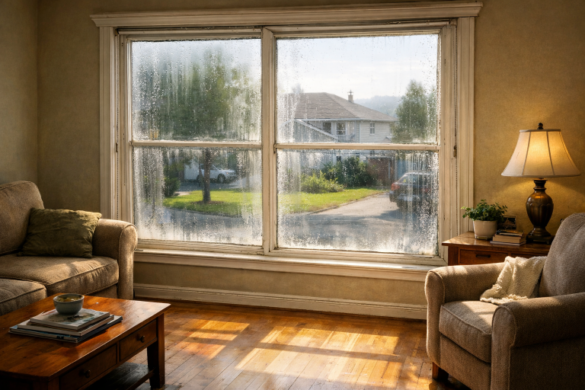
In Charlotte, a faucet drip can feel like a minor annoyance until it leaves a swollen cabinet floor, musty drywall, or a surprise on the water bill. Whether you live in an older bungalow, a newer townhome, or a home with a crawl space, finding moisture early helps protect the materials that make up your home. When a repair requires more than a simple check, a faucet repair plumber in Charlotte can identify the source before water reaches concealed areas.
Charlotte’s humid summers can make damp cabinets and slow leaks harder to notice, while occasional winter freezes create added risk for outdoor faucets and exposed pipes. A quick inspection routine is far less disruptive than replacing flooring, wallboard, trim, or cabinetry after a leak has been active for months.
Why Small Leaks Matter
A faucet can drip day and night, wasting water as moisture slowly seeps into nearby materials. The EPA notes that average household leaks can waste more than 9,300 gallons each year, and a faucet leaking one drip per second may waste more than 3,000 gallons annually. Early repairs are usually simpler than repairing hidden damage after water reaches cabinets, flooring, trim, or framing.
Common Sources Of Faucet And Fixture Leaks
Worn Parts and Loose Connections
Washers, cartridges, valve stems, O-rings, ceramic discs, and gaskets wear out over time due to daily use, mineral deposits, corrosion, and pressure changes. Leaks may appear at the spout, handle, faucet base, or below the sink. Flexible supply lines can also seep when fittings loosen, washers fail, or corrosion develops, so inspect them while the fixture is running.
Outdoor Faucets
Hose bibs can leak around the handle, vacuum breaker, wall connection, or interior pipe. Leaving a hose attached before a Charlotte freeze can trap water and increase the chance of damage. Check both the exterior connection and the interior side of the wall or crawl space.
Warning Signs To Watch For
- A faucet drips after the handle is closed.
- Water pools around the fixture base or under the sink.
- Cabinets smell musty, feel damp, or have swollen bottoms.
- Rust, white deposits, bubbling paint, stains, or soft flooring appear.
- A hose bib drips when turned off.
- The meter moves when all water fixtures and appliances are off.
- Water bills rise without a clear change in household use.
How To Check For Leaks At Home
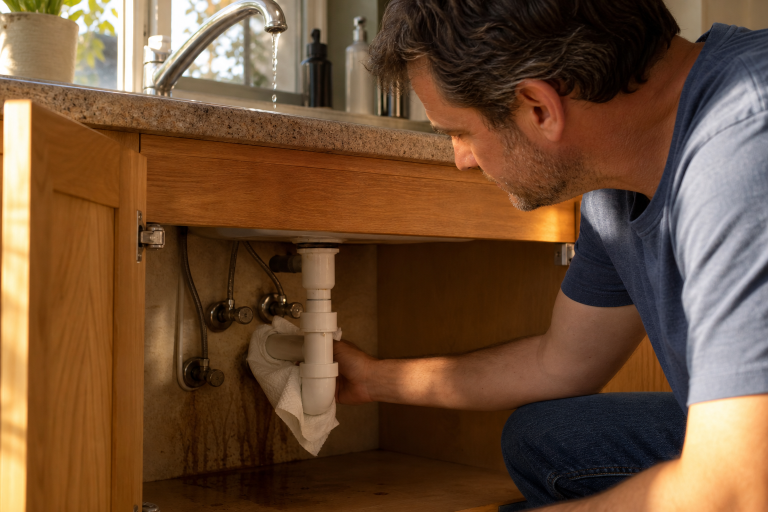
- Dry the area. Wipe pipes, valves, fittings, and cabinet floors. Place dry paper towels beneath connections and check them after use.
- Test hot and cold water. Run each side and watch the spout, handle, base, supply lines, drain, and shutoff valves.
- Check the meter. Stop all water use, record the reading, then check it again after two hours. Movement can indicate an active leak.
- Inspect nearby surfaces. Look beneath sinks, around toilets, near dishwashers, and below washing machines. Avoid wet areas near outlets or appliances.
A Room-By-Room Leak Checklist
- Kitchen: Check the faucet, supply lines, disposal connections, dishwasher hose, and refrigerator water line.
- Bathrooms: Inspect sink faucets, showerheads, tub spouts, toilet supply lines, shutoff valves, and flooring around the toilet base.
- Laundry room: Look behind the washer and replace aging hoses before visible cracking or corrosion becomes severe.
- Exterior: Test hose bibs, irrigation connections, outdoor sinks, and the crawl space or wall behind exterior faucets.
Safe DIY Checks And Simple Fixes
Careful homeowners can close an easy-to-turn local shutoff valve, clean an aerator, gently tighten a loose connection, or replace a known washer. Do not force an old valve, overtighten fittings, guess at a cartridge, or open a wall without knowing where plumbing and electrical lines run. Dry the area after any repair and monitor it during normal use.
When To Call A Licensed Plumber
Professional help is appropriate when the leak is concealed, recurring, or unsafe. Call for service if a shutoff valve will not close, the faucet body is cracked or corroded, water is entering a wall or crawl space, several fixtures have low pressure, or a prior repair failed. If water spreads quickly, shut off the main water supply if it is safe, and stay clear of wet electrical areas.
Repair Or Replace: How To Choose
Repair is often practical when a fixture is structurally sound, and the correct replacement parts are available. Replacement may be the better value for fixtures that are cracked, loose, heavily corroded, outdated, or repeatedly leaking. Compare parts, labor, wall access, future maintenance, water efficiency, and warranty terms. A replacement faucet should match the sink openings, countertop thickness, and existing supply connections.
Ways To Prevent Future Leaks
Inspect the under-sink plumbing monthly, review water bills, clean mineral buildup, replace visibly corroded supply lines, and ensure everyone in the household knows the main shutoff location. Homes with finished basements, crawl spaces, or frequently used laundry rooms may also benefit from moisture sensors and flow-monitoring devices that alert homeowners to irregular water use.
Seasonal Leak Prevention in Charlotte
In spring, test outdoor faucets and irrigation after cold weather. During humid summer months, check cabinets and appliance connections for concealed dampness. Before fall and winter, disconnect garden hoses, protect exposed pipes in garages and crawl spaces, and repair outdoor faucet drips before freezing temperatures arrive.
Frequently Asked Questions
Is a leaking faucet an emergency?
A slow drip from a spout may not require emergency service, but water under a cabinet, inside a wall, near electrical equipment, or around a failed shutoff needs prompt attention.
Why does a faucet leak only when it runs?
A leak during use can indicate a loose supply connection, a damaged seal, a cracked faucet body, a drain issue, or a failed base seal.
How can a hidden leak be found?
Use the water meter test, listen for water movement in quiet rooms, look for stains or musty odors, and arrange for a professional diagnosis when the source is behind walls or beneath flooring.
Small faucet leaks deserve attention before they become Charlotte home repair projects involving cabinets, floors, walls, or crawl spaces. Regular checks, safe maintenance, seasonal preparation, and fast action can limit water waste and damage. When the source is hidden, recurring, or unsafe to handle, professional plumbing service can help protect the home for the long term.