Gravel cycling has grown from a relatively small part of the cycling world into a recognized discipline with purpose-built bikes, recreational events, national championships and international competition. For Steven Rindner, whose outdoor interests include cycling, varied terrain and exploration, gravel riding offers another way to experience the outdoors by moving beyond routes limited to pavement. Its appeal comes partly from the freedom to combine different surfaces and build rides around where a cyclist wants to go.
Road cycling generally favors smooth pavement and bikes designed for speed and efficiency. Gravel bikes retain familiar road-bike features, including drop handlebars and the ability to cover longer distances, while adding wider tires, more stable handling and equipment designed for rougher surfaces. Riders can move between pavement, dirt roads, gravel and some lighter trails during the same outing, creating more possibilities for both everyday rides and longer adventures.
More Routes Become Possible on a Gravel Bike
One reason gravel cycling has grown is the number of routes it opens to riders. Paved roads make up only part of the available network. Dirt and forest roads, rail trails and other unpaved connectors can take riders into areas where a traditional road bike may be less practical. With a gravel bike, those surfaces can become part of the route rather than a reason to turn around.
Pavement still has a place in gravel riding. A ride might begin on city streets, continue onto a hard-packed dirt road, cross a rougher stretch and eventually return to pavement. Being able to move between surfaces gives cyclists more freedom when deciding where to ride and how far they want to go.
That versatility can also appeal to cyclists with experience on road or mountain bikes. Gravel riding does not have to focus on maintaining high speeds or tackling technical singletrack. A rider might choose a quiet country road, connect several different surfaces or simply follow an unpaved route to see where it leads. The result is more choice in how a ride is planned and experienced.
How Gravel Bikes Handle Different Surfaces
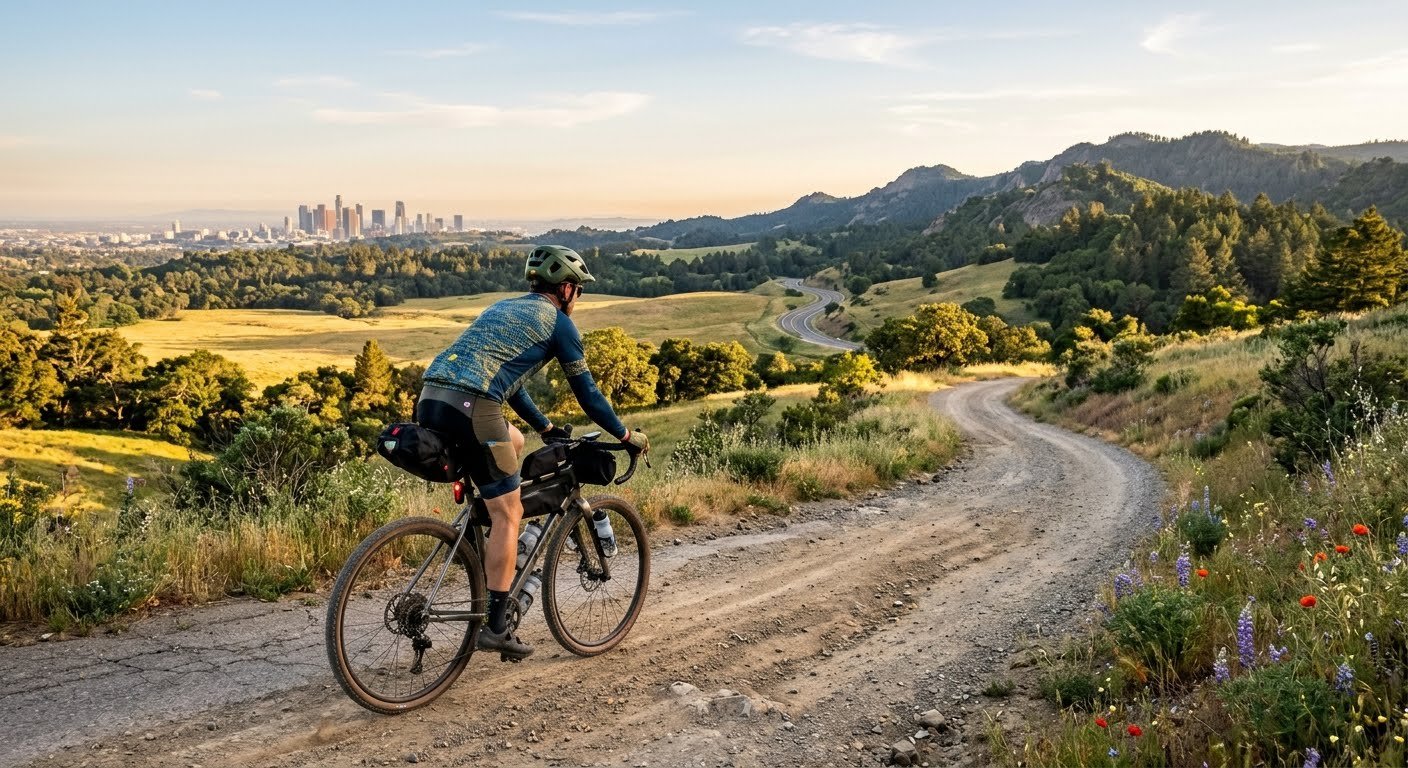
Gravel bikes have developed around the demands of riding on more than pavement. Most combine drop handlebars with room for wider tires, stable handling and mounting points for water bottles, bags or racks. Trek describes gravel bikes as falling between road and mountain bikes, with features suited to dirt, gravel, rough roads and, in some cases, light singletrack.
Wider tires are an important part of that design. Compared with traditional road tires, gravel tires have more volume and often include tread that can provide better traction on loose or uneven ground. They can handle surfaces such as washboard roads and small rocks more comfortably, while appropriate tire pressures can improve grip and soften the feel of rough terrain.
Gravel bikes are also generally designed to provide stability over changing terrain. Many frames include space for riders to carry tools, food, extra water and other gear they may need during a longer ride. That can be especially useful on routes that travel farther from stores, repair shops or reliable cell service. Together, these features give riders a bike that can handle changing surfaces while carrying the supplies needed for the route.
Steven Rindner and the Variety of Gravel Riding
Gravel riding can take many forms, from recreational outings and longer explorations to organized events and competition. That variety fits well with Steven Rindner’s broader interest in cycling, outdoor recreation and varied terrain. A single outing might begin on pavement, continue up a dirt climb, and finish on a rough country road, allowing riders to experience several types of terrain on the same ride.
Cyclists can also approach gravel in different ways. Some enjoy organized races and events, while others are more interested in spending a long day outside or finding quieter roads away from heavier traffic. Gravel bikes can be used for bikepacking and carrying gear on longer trips, while some riders appreciate being able to explore an unpaved road without worrying whether their bike is suited to the surface.
That variety gives riders plenty of room to shape the experience around their own interests. A gravel ride can be competitive, recreational or focused on exploring somewhere new. What connects those experiences is the ability to keep riding as the terrain changes.
Gravel Racing Has Grown Around the World
Gravel cycling has developed a substantial competitive side in addition to its recreational appeal. USA Cycling holds a national gravel championship, while the Union Cycliste Internationale oversees the Gravel World Series and Gravel World Championships. These events have given riders opportunities to compete at both domestic and international levels.
The UCI series has expanded considerably. Its 2025 calendar included 33 events, while the 2026 series grew to a record 47 qualifying events across 32 countries and every continent. The 2026 World Championships in Australia mark the fifth edition of the event and the first held outside Europe. The expanding calendar reflects how widely gravel racing has spread beyond its earlier roots in U.S. cycling.
Competition is not limited to professional riders. UCI qualifying events include age-group categories, giving amateur cyclists opportunities to participate within the same larger series as professional competitors. National and regional events provide additional ways for riders to experience gravel racing at different levels.
Gravel Appeals to Recreational Riders Too
Gravel cycling has grown beyond organized racing and competitive events. PeopleForBikes reported that 112 million Americans rode a bicycle at least once in 2024, the highest participation figure since its study began in 2014. The organization has also found that much of the recent increase in cycling participation has come from casual riders rather than only frequent cyclists.
Gravel fits easily into that recreational side of cycling. A rider might spend an afternoon on a rail trail, follow a quiet dirt road, or put together a weekend route that combines pavement and unpaved sections. None of those experiences requires entering a race. The same bikes and equipment used for longer or more competitive rides can also give recreational cyclists more choices about where they go.
People also ride gravel for different reasons. Some use it for exercise, while others enjoy exploring new routes, traveling by bike, or simply spending time outdoors. Competition is one option, but it does not have to be the reason someone chooses gravel.
Gravel Gives Riders More Route Options
Traffic, road shoulders and vehicle speeds can all affect where road cyclists choose to ride. Gravel routes do not eliminate those concerns, since rural and unpaved roads may still carry cars, trucks and agricultural vehicles. They can, though, give cyclists access to quieter roads and areas that may not fit into a typical paved route.
Having more surfaces available also gives riders more choices when planning a ride. They can look at distance, elevation, road conditions and traffic when deciding where to go. A route might combine familiar pavement with a quiet dirt road or an unpaved connector, allowing cyclists to explore areas they might otherwise pass by.
Riding farther from busy roads and developed areas can require additional preparation. Flat tires, loose surfaces, navigation and limited access to services can become more important on remote routes. Trek recommends carrying repair tools, enough food and water, and reliable navigation when riding farther from services. Preparing for those needs can help riders take advantage of a wider range of routes while being ready for the conditions they may encounter.
Gravel Bikes Are Built for Versatility
Road and mountain bikes are often designed with particular types of riding in mind. Road bikes emphasize speed and efficiency on pavement, while mountain bikes are built to handle rougher and more technical trails. Gravel bikes take a different approach by giving riders features that work across a wider mix of surfaces.
That versatility does not mean a gravel bike is ideal for every situation. A road bike will generally be more efficient on smooth pavement, while a mountain bike is better suited to demanding singletrack and technical terrain. Gravel bikes are useful for rides that include a mixture of surfaces. For cyclists who regularly move between pavement, dirt and rougher roads, having one bike that can handle each reasonably well can be more practical than choosing a bike designed for only one type of terrain.
Many gravel bikes also include features that make it easier to carry gear. Extra bottle mounts, frame storage and rack compatibility can provide space for water, food, tools, clothing and other supplies. Those options are useful for bikepacking and longer trips, but they can be just as helpful on a day ride when a cyclist wants to carry extra water, a jacket or repair equipment.
Why Gravel Cycling Continues to Grow
Gravel cycling gives riders more choices about where and how they ride. Routes can combine pavement, dirt roads and rougher surfaces, while gravel bikes are designed to handle those changes without requiring a different bike for each part of the trip. Riders can use that versatility for recreation, longer adventures or competition, depending on what interests them.
The growth of organized racing has added another dimension, with national championships and an expanding international series giving competitive riders more opportunities to participate. At the same time, gravel remains approachable for cyclists who have no interest in racing. A quiet dirt road, rail trail or mixed-surface weekend route can be reason enough to ride.
That range is a large part of gravel cycling’s appeal. Riders do not have to leave pavement behind or commit to one particular style of cycling. They simply have more options when choosing a route. As more cyclists look for varied places to ride, gravel offers a practical way to explore beyond familiar paved roads.