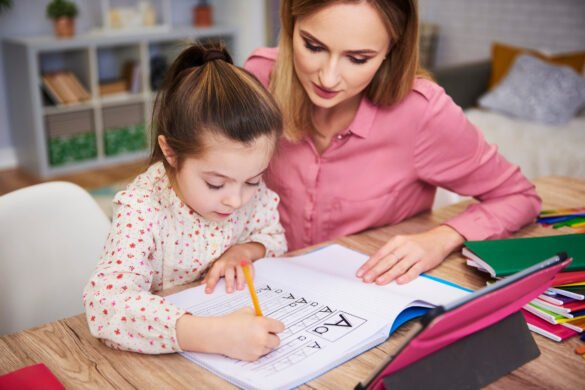
 The first 5 years of a child’s life shape everything that comes after.
That’s why getting the preschool environment right is so important. These early years are when kids form habits, build confidence, and develop social skills that stick with them for life. Get this wrong and the impact can last for years.
A wonderful preschool can really enhance the learning, playing and growing experience that children have within these crucial years. But here’s the kicker….many people don’t understand how much the environment affects your child’s growth.
This article discusses the components that create a functional preschool environment. Classroom layout, furniture, sensory areas and your outdoor environment are what’s important.
Let’s jump in!
Here’s the breakdown:
- Why The Preschool Environment Matters
- The Role Of Layout And Space Design
- Choosing The Right Furniture
- Sensory & Play-Based Learning Zones
- Safety, Routines & Outdoor Spaces
Why The Preschool Environment Matters
The preschool environment is more than just a room with toys and tables.
Classroom design is where learning begins. Studies found that classroom design accounts for 16% of variance in student academic performance. That’s significant.
Consider this…. Kids are in school a majority of their day. The environment they are in impacts:
- Their mood
- Their focus
- Their ability to learn
- Their social development
A great preschool environment cultivates curiosity. A poorly designed one squelches it.
This is why fundamentals like lighting, space planning and good quality nursery furniture can make all of the difference. Even opting for ergonomic nursery school furniture that has been correctly scaled to tiny hands can revolutionise how children engage with their learning environment.
Pretty cool, right?
However, furniture is not all there is. Let’s discuss the other pieces…
The Role Of Layout And Space Design
Layout is everything in a preschool classroom.
Well-designed rooms provide clearly defined “zones” for various activities. Kids understand where to go when it’s time to read, build, paint or play. This sense of order promotes security and confidence.
Here’s what a great layout looks like:
- Clearly defined activity areas
- Plenty of open floor space for movement
- Quiet corners for rest and reading
- Easy access to materials and supplies
One study showed that 92 percent of teachers feel classroom design has a strong impact on learning. And they aren’t wrong. When kids have the freedom to move, and get what they need independently, they learn to be more independent learners.
De-clutter your environment. Large masses of clutter can be overwhelming and stressful for children.
The goal?
Create a space that feels open, calm and inviting.
Choosing The Right Furniture
Furniture is one of the most overlooked parts of a preschool environment.
However, here’s what nobody tells you. The correct classroom furniture can revolutionize children’s learning. Tables + chairs + shelves + storage should be:
- The right size for little bodies
- Sturdy and safe
- Easy to clean
- Flexible enough to rearrange
Why fit feet matter. Unhappy children will not learn. Kids whose feet can’t reach the floor or their table is too tall will wiggle, slump and tune out quickly.
Storage is important as well. Low shelves allow children to retrieve their own materials. This promotes independence and confidence…two things all preschoolers require.
Flexible Furniture Wins
Flexible furniture is essential in a high-quality preschool classroom. Flexible furniture can easily be moved around. Teachers can:
- Switch between group and solo activities quickly
- Create new learning zones when needed
- Adapt the space for different ages and abilities
Create an environment that expands with your children, not limits them to one style of learning.
Sensory & Play-Based Learning Zones
Preschoolers learn best through play.
This isn’t just opinion, there’s actually mountains of research on early childhood that proves this. Kids this age have to touch, smell, listen and explore to understand their world around them. The best preschools have specific spaces for sensory and play exploration.
The most effective preschools include:
- A reading nook with soft cushions and books
- A building area with blocks and construction toys
- An art station with paints, paper and craft materials
- A role-play corner (like a toy kitchen or shop)
- A sensory table with sand, water or other textured items
They do not have to be elaborate or costly. What is important is that you have different areas and allow the kids to choose what they would like to play.
Kids need free play just as much as they need formal learning. Research indicates only 11.3% of preschoolers are getting the recommended amount of daily activity – so providing kids with opportunities for active play is key.
Safety, Routines & Outdoor Spaces
Safety has to come first in any preschool environment.
That means more than installing deadbolts. It means designing every square inch of the house with safety minded hands and tiny feet in mind. For instance:
- Rounded furniture edges
- Non-slip flooring
- Secure storage for cleaning supplies
- Child-proof electrical outlets
- Soft surfaces in play areas
But safety alone isn’t enough. Children also need clear, predictable routines.
A quality preschool classroom incorporates visual schedules, labels its spaces and maintains predictable transitions. Visual schedules help children feel secure when they know what will happen next.
Don’t Forget The Outdoors
Outdoor play is equally important to indoor learning. All preschools should provide a secure and entertaining outdoor environment complete with:
- Soft ground cover (rubber mats or grass)
- Age-appropriate climbing equipment
- Shaded areas for hot days
- Space to run, jump and explore
Fresh air, sunshine and active play are critical to childhood wellbeing. Now more than ever, with state-funded preschool enrollment topping out at 1,751,109 children, we need quality outdoor areas like never before.
Bringing It All Together
Creating an effective preschool environment takes thought, planning and the right choices.
It’s not as simple as shoving some toys in a room and you’re done. Reality is, everything from floor plan to furniture to outdoor environment affects how children learn and develop.
To quickly recap:
- A well-designed layout creates clear zones for different activities
- Quality school furniture supports comfort and independence
- Sensory and play zones build curiosity and creativity
- Safety features and routines help children feel secure
- Outdoor spaces support healthy physical development
Get these basics right and you’ll create a preschool environment that children genuinely love.
The best part?
You don’t need millions of dollars. Pick one aspect to start – perhaps the flooring or the seating – and go from there. Little adjustments can mean the world to your tiny occupants.