Oral health is a cornerstone of our overall well-being. It’s more than just a bright smile; it deeply affects our physical health at every stage of life. This is precisely why Family Dental Care is so crucial. It provides a comprehensive and continuous approach to oral health for everyone, from the youngest children to our cherished seniors.

We understand that selecting the right dental provider for your household can feel overwhelming. A truly family-focused dental practice understands the unique needs of each family member. This extensive guide is designed to simplify that process for you.
We will explore the full spectrum of services offered by family dental clinics. We will also delve into how care is tailored for different age groups, from toddlers to seniors. Furthermore, we will examine modern dental technology and effective strategies for managing dental anxiety. Our aim is to equip you with the knowledge needed to choose a practice that supports your family’s long-term oral health journey.
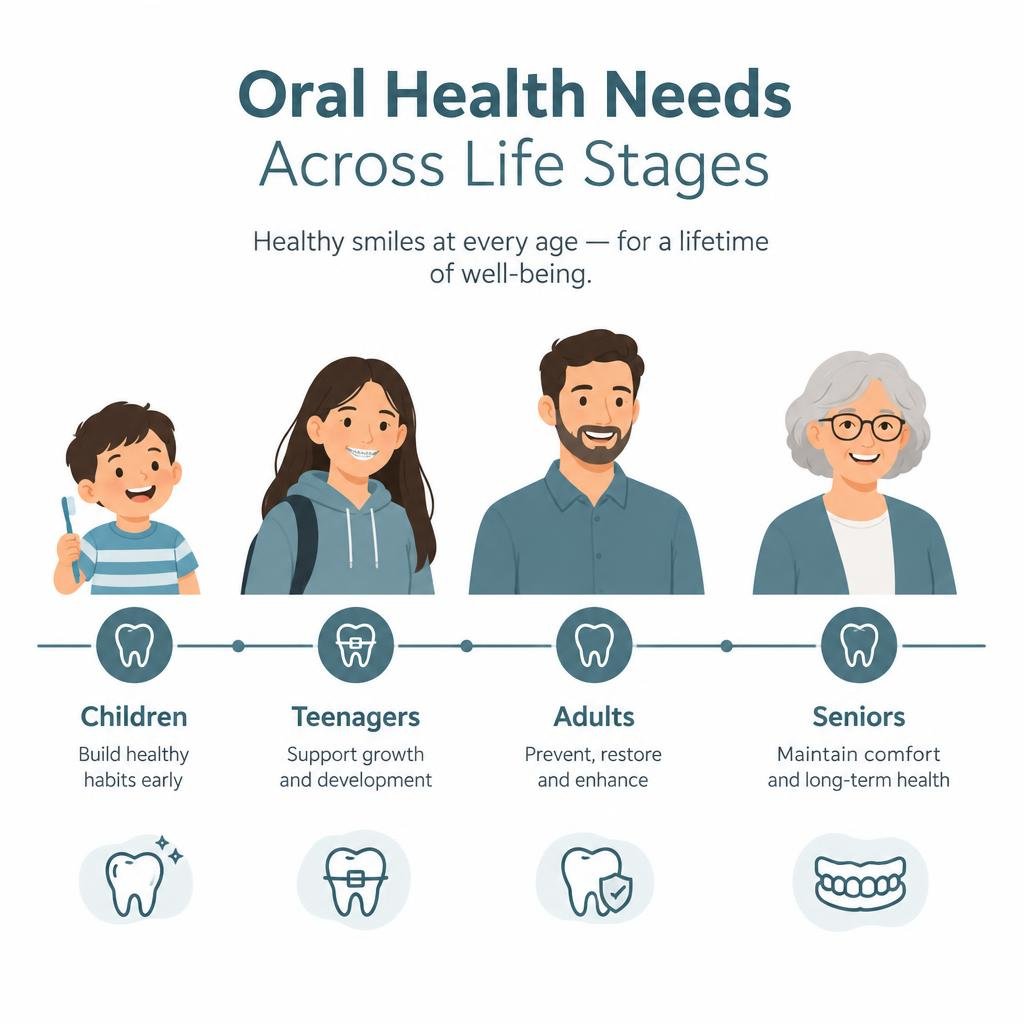
Family dental care is a specialized approach to oral health that caters to patients of all ages within a single practice. Unlike pediatric dentists who focus solely on children, or general dentists who primarily treat adults, a family dental practice offers a broad spectrum of services designed to meet the diverse needs of an entire household. This comprehensive model ensures continuity of care, allowing patients to maintain their oral health journey with a familiar team from childhood through their senior years.
The importance of this approach cannot be overstated. For young children, it’s about establishing positive oral hygiene habits early on and preventing common issues like cavities. For teenagers, it involves monitoring orthodontic development and addressing concerns like wisdom teeth. Adults benefit from preventive care, restorative treatments, and cosmetic enhancements, while seniors often require specialized attention for issues like dry mouth, gum disease, and denture care.
A family dentist acts as a central hub for all your household’s dental diagnostic records and treatment histories. This centralized system allows the dental team to gain a deeper understanding of any genetic predispositions to certain oral health conditions that might run in your family. Over time, this fosters long-term relationships built on trust and familiarity, which can significantly reduce dental anxiety and encourage consistent attendance. Many patients report visiting the same family dental practice for 15, 30, or even 40 years, highlighting the enduring satisfaction and comfort this model provides. The convenience of family scheduling, where multiple family members can often be seen during a single visit or back-to-back appointments, further underscores its practical benefits.
Streamlining Household Dental Management
One of the most significant advantages of choosing a family dental practice is the unparalleled convenience it offers for managing your household’s oral health. We know how challenging it can be to juggle multiple appointments at different locations for each family member. A family dental practice simplifies this process immensely through appointment consolidation. Imagine scheduling all your children’s routine cleanings and your own check-up on the same day, or even back-to-back. This coordinated appointment planning significantly reduces travel time and logistical headaches for busy families.
Beyond scheduling, the centralization of records is a major benefit. Having all family members’ dental histories, X-rays, and treatment plans under one roof ensures that the dental team has a holistic view of your family’s oral health trends and individual needs. This can lead to more informed decisions and better preventative strategies. The time efficiency gained from synchronized cleanings and check-ups, coupled with the administrative ease of dealing with a single office for billing and insurance, makes managing dental care a much smoother experience. This allows families to dedicate more time to what truly matters, rather than navigating complex healthcare logistics.
Building Multi-Generational Oral Health Habits
A family dental practice plays a pivotal role in fostering healthy oral habits across generations. For children, early habituation to regular dental visits is crucial. When toddlers and young children see their parents and older siblings comfortably attending appointments, it demystifies the dental office and helps prevent the development of dental phobias. This parental modeling is a powerful tool in shaping a child’s perception of oral care.
Family dentists are adept at understanding pediatric development, knowing when to introduce fluoride treatments, dental sealants, and when to start monitoring for orthodontic needs. This continuous care from a familiar team ensures that children receive age-appropriate guidance and interventions, setting them up for lifelong prevention of dental issues. As they grow, this consistent exposure to professional care and education instills a sense of dental familiarity, making them more likely to prioritize their oral health as adults. This multi-generational approach to oral health builds a foundation for healthy smiles that can last a lifetime.
Core Services Provided Across Every Life Stage
Family dental clinics are designed to be comprehensive oral health hubs, offering a wide array of services that evolve with a patient’s age and needs. This holistic approach ensures that whether you require preventative care, restorative dentistry, cosmetic enhancements, or emergency response, your family’s needs can be met under one roof. Dental screenings are a routine part of these services, helping to detect issues early.
Here’s a comparison of the types of services typically offered:
![TABLE] comparing preventive, restorative, and cosmetic dental procedures
Service Category Description Common Procedures Benefits Preventive Care Focuses on maintaining oral health and preventing disease. Routine check-ups, professional cleanings, fluoride treatments, dental sealants, oral cancer screenings. Prevents cavities, gum disease, detects early issues, maintains fresh breath, saves money on future treatments. Restorative Dentistry Aims to repair or replace damaged or missing teeth. Fillings (cavities), crowns, bridges, dental implants, root canal therapy, dentures. Restores function, alleviates pain, preserves natural tooth structure, improves chewing ability. Cosmetic Dentistry Enhances the appearance of teeth and gums. Teeth whitening, veneers, bonding, gum contouring, clear aligners (e.g., Invisalign). Improves smile aesthetics, boosts self-confidence, corrects discoloration, chips, or misalignment. Emergency Care Addresses urgent dental issues requiring immediate attention. Treatment for severe toothaches, knocked-out teeth, broken dentures, abscesses, lost fillings/crowns. Alleviates pain, prevents further damage, preserves teeth, manages infections quickly. Tailored Pediatric and Adolescent Treatments
Caring for young smiles requires a specialized touch. Family dentists are equipped to provide infant checkups, often recommending the first visit by their first birthday or within six months of the first tooth appearing. These early visits are crucial for monitoring primary teeth development, identifying potential issues, and educating parents on proper oral hygiene for their little ones.
As children grow, services like dental sealants are applied to protect molars from decay, and topical fluoride treatments strengthen enamel. Family practices also conduct orthodontic evaluations to assess jaw and teeth alignment, providing early intervention or referrals if needed. For active adolescents, custom sports mouthguards are essential to prevent dental injuries. This proactive, age-appropriate care ensures a healthy foundation for adult dentition.
Adult and Senior Oral Maintenance
For adults, family dental care continues to prioritize prevention while also addressing the wear and tear that comes with age. Periodontal therapy becomes increasingly important to combat gum disease, a common issue in adults that can lead to tooth loss if left untreated. Crown restorations and dental bridges are frequently used to repair damaged teeth or replace missing ones, restoring function and aesthetics.
Seniors often face unique challenges, including dry mouth (xerostomia), which can be a side effect of medications, and an increased risk of root caries due to gum recession. Family dentists are skilled in managing these conditions, providing solutions like partial dentures for multiple missing teeth, and offering advice on maintaining oral health with age-related changes. Their understanding of how medications and systemic health conditions impact oral health is invaluable, contributing to the overall quality of life for older patients.
Advanced Technology and Anxiety-Free Clinical Approaches
Modern family dental practices are increasingly integrating advanced technology to enhance diagnostic accuracy, treatment precision, and patient comfort. This commitment to innovation is a hallmark of high-quality care, helping to make dental visits more efficient and less intimidating.

Modern Clinical Diagnostics in Family Dental Care
The era of traditional, sometimes uncomfortable, dental diagnostics is rapidly fading. Today, family dental clinics leverage digital diagnostics to provide superior care. Digital X-rays, for instance, are a game-changer, delivering up to 90% less radiation than conventional film X-rays, making them safer for patients of all ages, especially children and pregnant individuals. Intraoral scanners create highly accurate 3D images of teeth and gums, eliminating the need for messy traditional impressions.
This 3D imaging technology also supports advanced treatments like same-day crowns using CAD/CAM (Computer-Aided Design/Computer-Aided Manufacturing) systems such as CEREC. Patients can often receive a custom-made crown in a single visit, saving time and reducing the need for multiple appointments. Furthermore, these digital tools aid in treatment visualization, allowing patients to see potential outcomes for procedures like clear aligners (e.g., Invisalign treatment, which has helped over six million people straighten their teeth) or smile makeovers before treatment even begins. This transparency empowers patients and fosters trust.
Managing Patient Phobias and Dental Anxiety
Dental anxiety and phobias are real concerns for many patients, regardless of age. For children, a negative early experience can lead to lifelong avoidance, while adults might carry trauma from past dental visits. Family dental practices understand this deeply and employ various strategies to create a comfortable personalized care experience.
The foundation of managing anxiety lies in gentle communication. Staff are trained to listen actively to patient concerns, provide detailed explanations of procedures in an easy-to-understand manner, and offer options. For nervous patients, particularly children, techniques like “show-tell-do” – explaining what will happen, showing them the instruments, and then performing the procedure – can be incredibly effective. Distraction techniques, such as ceiling-mounted TVs or music, also help.
For those with more severe dental phobia, oral sedation options (like nitrous oxide or mild sedatives) can help patients relax during treatment. A calming environment, with thoughtful design and friendly staff, contributes significantly to easing nerves. Positive reinforcement, especially for children, helps build confidence and makes future visits less daunting. The goal is always to transform the dental experience into a positive one, ensuring that necessary care is not avoided due to fear.
Essential Criteria for Selecting Your Household Provider
Choosing the right family dental practice is a significant decision that impacts your entire household’s long-term oral health. We believe look beyond mere convenience and consider several key factors to ensure you find a provider that aligns with your family’s values and needs.
Evaluating Modern Family Dental Care Capabilities
When evaluating a potential family dental practice, we recommend prioritizing their modern capabilities. Does the practice offer comprehensive diagnostics, utilizing advanced tools like digital X-rays and intraoral scanners? The presence of specialized equipment, such as lasers for soft tissue procedures or CEREC for same-day crowns, can indicate a commitment to efficient and high-quality care.
Consider the family accommodations available. Is there a comfortable waiting area for children? Do they offer coordinated appointment planning for multiple family members? Emergency availability is also critical; knowing that your practice can handle urgent situations provides immense peace of mind. Finally, pay attention to the overall clinic atmosphere. A welcoming, calm, and clean environment can significantly enhance the patient experience, especially for nervous individuals. Patient reviews often highlight these aspects, offering valuable insights into the practice’s true character.
Insurance Coordination, Public Programs, and Financing
Understanding the financial aspects of dental care is paramount. We advise inquiring about the practice’s accepted insurance plans, particularly if you have PPO networks. Many practices will assist with filing insurance claims, easing the administrative burden.
For those without private insurance, or seeking more affordable options, it’s worth asking if the practice accepts NHS patients (in the UK) or participates in similar public programs. Some practices, particularly those that have served communities for 60 or 75 years, may have long-standing relationships with various schemes. Additionally, many modern family dental clinics offer flexible dental financing solutions, such as interest-free payment plans or in-house discount rewards programs, to make treatments more accessible. Always request clear treatment estimates and ensure fee transparency before committing to any major procedures. A routine dentist visit (exam, cleaning, and X-rays) generally costs $50 to $350, but this can vary widely, so clarity is key.
Frequently Asked Questions About Household Dentistry
We often encounter common questions from families seeking to optimize their oral health. Here, we address some of the most pressing inquiries to help you make informed decisions.
At what age should a child first visit the dentist?
The consensus among dental professionals is that a child should have their first dental visit by their first birthday, or within six months of their first tooth appearing, whichever comes first. This early introduction is crucial. It allows the dentist to monitor infant milestones in oral development, check for any potential issues with the eruption timing of primary teeth, and provide parents with essential guidance on early prevention strategies, proper brushing techniques, and dietary advice. Establishing this early relationship helps children become familiar with the dental environment, reducing anxiety in the long run.
How do family practices manage patients with severe dental anxiety?
Family dental practices are well-versed in addressing dental anxiety and phobias. Their approach typically begins with empathetic and clear communication methods. They take the time to explain every step of the procedural explanations, often using visual aids or “tell-show-do” techniques for children. For patients with severe anxiety, various sedation options are available, ranging from nitrous oxide (laughing gas) for mild relaxation to oral sedatives for deeper calm. Creating relaxed environments is also key, with many practices offering amenities like comfortable chairs, blankets, music, or ceiling-mounted televisions to provide distraction techniques. The overarching goal is to foster a sense of trust and control, ensuring that even the most nervous patients can receive necessary care in comfort.
What is the typical cost range for routine preventative visits?
A routine preventative dental visit, which typically includes a comprehensive exam, professional cleaning, and diagnostic X-rays, can vary significantly in cost. Based on current data from October 2026, these visits generally range from $50 to $350. The specific cost will depend on several factors, including your geographic location, the specific services included in the “routine” package, and whether you have dental insurance. Many practices offer pricing transparency and will provide a detailed estimate before your appointment. It’s always advisable to discuss your insurance coverage with the administrative staff beforehand, as many preventative services are fully or partially covered, making them a highly cost-effective way to maintain long-term oral health.
Conclusion
Choosing a family dental practice is an investment in the long-term oral health and well-being of your entire household. The benefits extend far beyond just clean teeth, encompassing continuity of care, the convenience of centralized management, and the invaluable establishment of positive oral health habits across generations.
By prioritizing preventive wellness and selecting patient-centered clinics that embrace modern technology and empathetic approaches to anxiety management, you empower your family to enjoy healthy, confident smiles for years to come. We encourage you to use this guide as a roadmap in your family practice selection journey, ensuring you find a dental home that truly cares for every smile under your roof.