Injectable wrinkle treatments can soften expression lines without surgery, but the right option depends on more than a familiar brand name. If you are researching the difference between Botox, Dysport, and Daxxify, Livewell Medical Aesthetics offers a helpful comparison of these neuromodulator options along with personalized treatment planning in Rapid City, South Dakota. Their approach centers on precision dosing, facial anatomy, and natural-looking movement, which are essential considerations when comparing treatments for forehead lines, frown lines, and crow’s feet.
The most useful starting point is identifying what is creating the concern. Some lines form primarily because facial muscles repeatedly contract. Others remain visible even when the face is at rest due to collagen loss, sun exposure, changes in skin texture, or volume loss. A thoughtful consultation helps distinguish between these concerns before a treatment plan is chosen.
Why Wrinkles Form
Dynamic wrinkles appear when the face moves. Raising the eyebrows can create horizontal forehead lines, frowning can form lines between the brows, and smiling or squinting can create crow’s feet. Neuromodulators temporarily reduce activity in selected muscles, which can soften these movement-related lines.
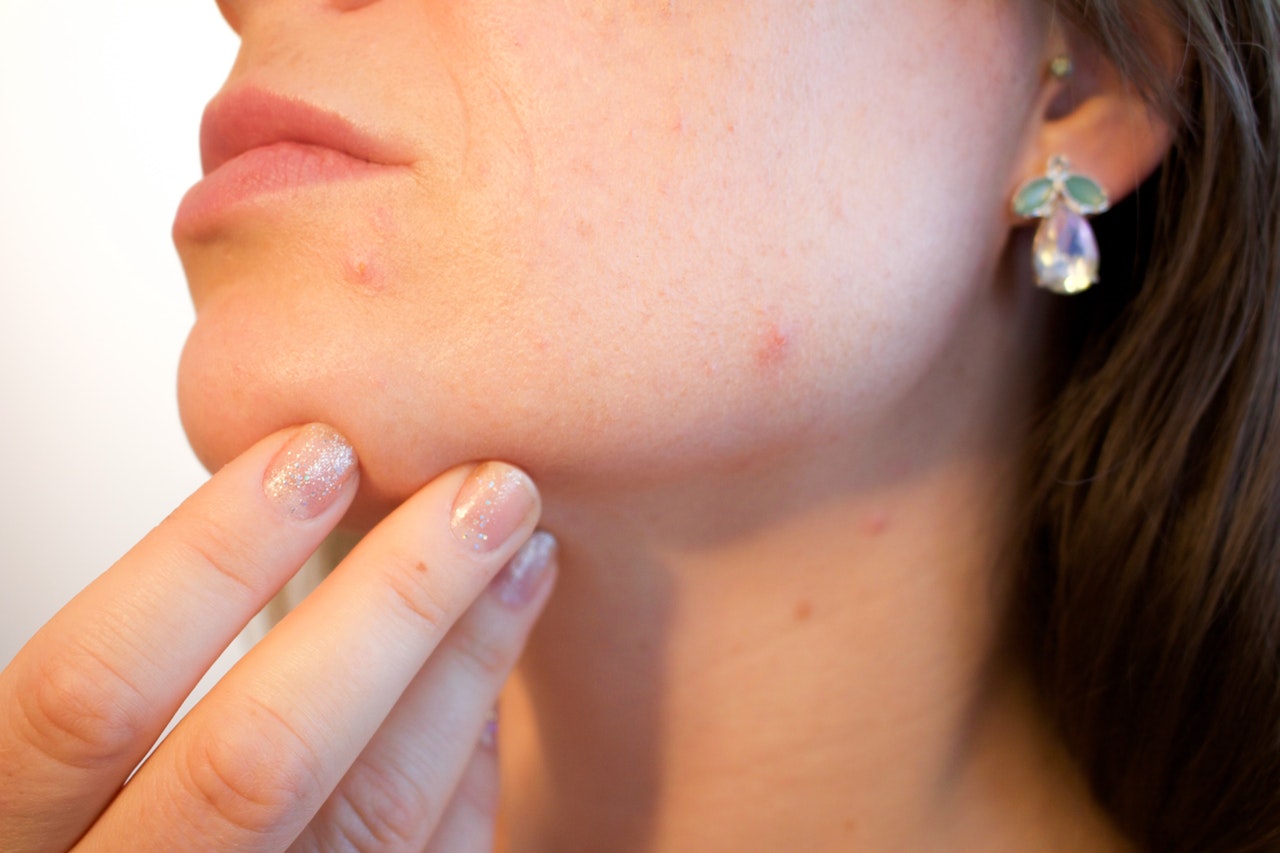
Static lines remain visible after the face relaxes. They may reflect accumulated sun exposure, reduced collagen, dehydration, and the natural thinning of skin over time. The American Academy of Dermatology’s guidance on wrinkle treatment emphasizes that treatment should match the type of wrinkle and a person’s goals. Skin quality, pigmentation, rough texture, and deeper folds may call for skincare, resurfacing, fillers, or a combination plan rather than muscle-relaxing injections alone.
For people seeking Botox, Dysport, and Daxxify in Rapid City, SD, a consultation can also account for lifestyle, previous treatments, and how often someone wants to return for maintenance. The goal is not to erase every line. It is about choosing an approach that suits the person’s face and preferences.
Matching Treatment to the Concern
Forehead Lines
Forehead treatment requires attention to brow position and the balance between the forehead and frown muscles. Too much relaxation can make the brow feel heavy or alter expression. A measured plan may soften horizontal lines while preserving a natural ability to raise the eyebrows.
Frown Lines
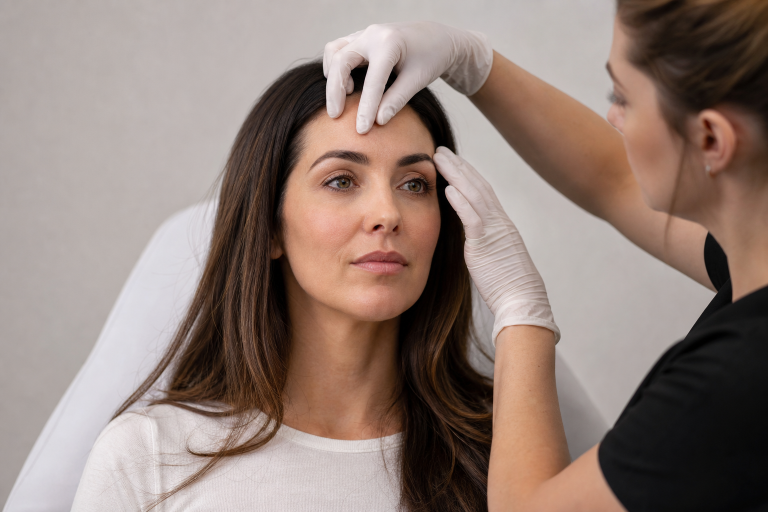
Frown lines, often called “11s,” form between the eyebrows when concentrating, squinting, or frowning. Treatment commonly aims for a more rested appearance rather than a completely motionless brow area.
Crow’s Feet and Sweating Concerns
Lines around the eyes need careful dosing because nearby muscles contribute to smiling and facial balance. Some botulinum toxin products also have approved medical uses for excessive sweating in certain areas, including underarm sweating. A qualified provider can explain whether a particular use is appropriate.
Comparing Injectable Options
Botox, Dysport, and Daxxify all fall under the broad category of botulinum toxin type A neuromodulators. They work in similar ways, but they are not interchangeable unit for unit and should not be compared only by price.
- Formulation: Each product has its own manufacturing process and inactive ingredients.
- Placement and spread: An injector may consider how a product behaves in a broader area versus a more focused treatment zone.
- Onset: Early changes may appear on different schedules depending on the product, dose, muscle strength, and individual response.
- Duration: Botox and Dysport often last about three to four months for many patients, while Daxxify may last longer for some people. Individual results still vary.
- Maintenance: A longer-lasting option may appeal to someone who prefers fewer appointments, while another person may value a shorter-term commitment when trying treatment for the first time.
Choosing a Provider
Provider skill matters as much as the product. Look for a licensed health care professional with specific injectable training, experience treating the area you are considering, and a willingness to explain both benefits and limitations. Review before-and-after examples when available, but remember that another person’s result cannot predict your own.
Ask where products are sourced, how the provider handles asymmetry or follow-up concerns, and whether the plan can begin gradually. The CDC’s injection safety guidance also stresses the importance of receiving botulinum toxin products from licensed, trained providers and seeking prompt medical attention for concerning symptoms after treatment.
What Happens at an Appointment
- Medical review: Discuss medications, allergies, health conditions, pregnancy or breastfeeding, and previous injectable treatments.
- Facial assessment: The provider evaluates movement, muscle strength, skin quality, natural asymmetry, and brow position.
- Goal setting: Explain whether you want softened lines, subtle prevention, more visible smoothing, or treatment for an approved medical concern.
- Injection and aftercare: Small, planned injections are placed in selected areas, followed by personalized instructions and follow-up guidance.
Results, Maintenance, and Safety
Results are temporary and usually develop gradually rather than immediately. Many providers evaluate the full effect at about two weeks, although the timeline varies. Taking photos in similar lighting before and after treatment can make it easier to assess changes. Daily sunscreen and a consistent skincare routine can also support overall skin quality between appointments.
Before a wrinkle treatment, ask about common side effects, urgent warning signs, aftercare restrictions, product approval for the intended use, and what happens if results are uneven. People with certain neuromuscular conditions, a history of allergic reactions, or pregnancy or breastfeeding considerations should discuss their circumstances with a qualified medical professional before proceeding.
Common Questions
Will injectable wrinkle treatments make my face look frozen?
Not necessarily. A frozen appearance is usually related to excessive dosing, unsuitable placement, or a plan that does not match the person’s natural movement. Clear communication about how much expression you want to retain is important.
Can neuromodulators be combined with other treatments?
Yes, some people combine them with fillers, skincare, chemical peels, or resurfacing treatments. The appropriate order and timing should be determined by a qualified provider based on the skin concern and treatment goals.
How should I choose between brands?
Compare your treatment area, desired result, tolerance for maintenance visits, prior response, budget, and injector recommendation. The best option is the one that supports a balanced, individualized plan, not simply the newest or most advertised name.