Core Pillars of Home Exterior Maintenance and Roofing

Effective maintenance is not merely about fixing what is broken; it is a systematic approach to asset management. By categorizing your tasks into preventive, predictive, and corrective measures, you can avoid the “repair cycle” that plagues many homeowners. Preventive maintenance involves routine actions like clearing debris to ensure longevity, while predictive monitoring—such as using moisture meters or visual inspections—allows you to catch problems before they compromise the structure.
A well-maintained home relies on a robust building envelope. This envelope is the physical separator between the conditioned environment inside your home and the outside world. When this barrier is breached, energy efficiency drops and structural decay begins. For those who prefer to delegate these complex tasks, engaging professional exterior maintenance services can provide the specialized equipment and expertise necessary to keep your home’s envelope airtight and watertight throughout the year.
Roof Integrity, Inspection Schedules, and Repair Costs
Your roof is the first line of defense against the elements. For an average asphalt shingle roof, you should anticipate a lifespan that rewards consistent care. A standard professional inspection typically costs between $150 and $400, a small price to pay when compared to the cost of a full replacement. For a typical 2,000-square-foot home, which requires approximately 20 “squares” of material (where one square equals 100 square feet), the costs can add up quickly.
When inspecting your roof, look for missing, curling, or blistered shingles. Granule loss, visible as dark patches or sediment in your gutters, is a clear sign that the protective layer of your shingles is wearing thin. If you notice interior staining or signs of moisture in your attic, contact experts in residential and commercial roofing immediately. Addressing a small leak today is far more cost-effective than replacing water-damaged rafters or insulation tomorrow.
Gutter Systems and Water Management
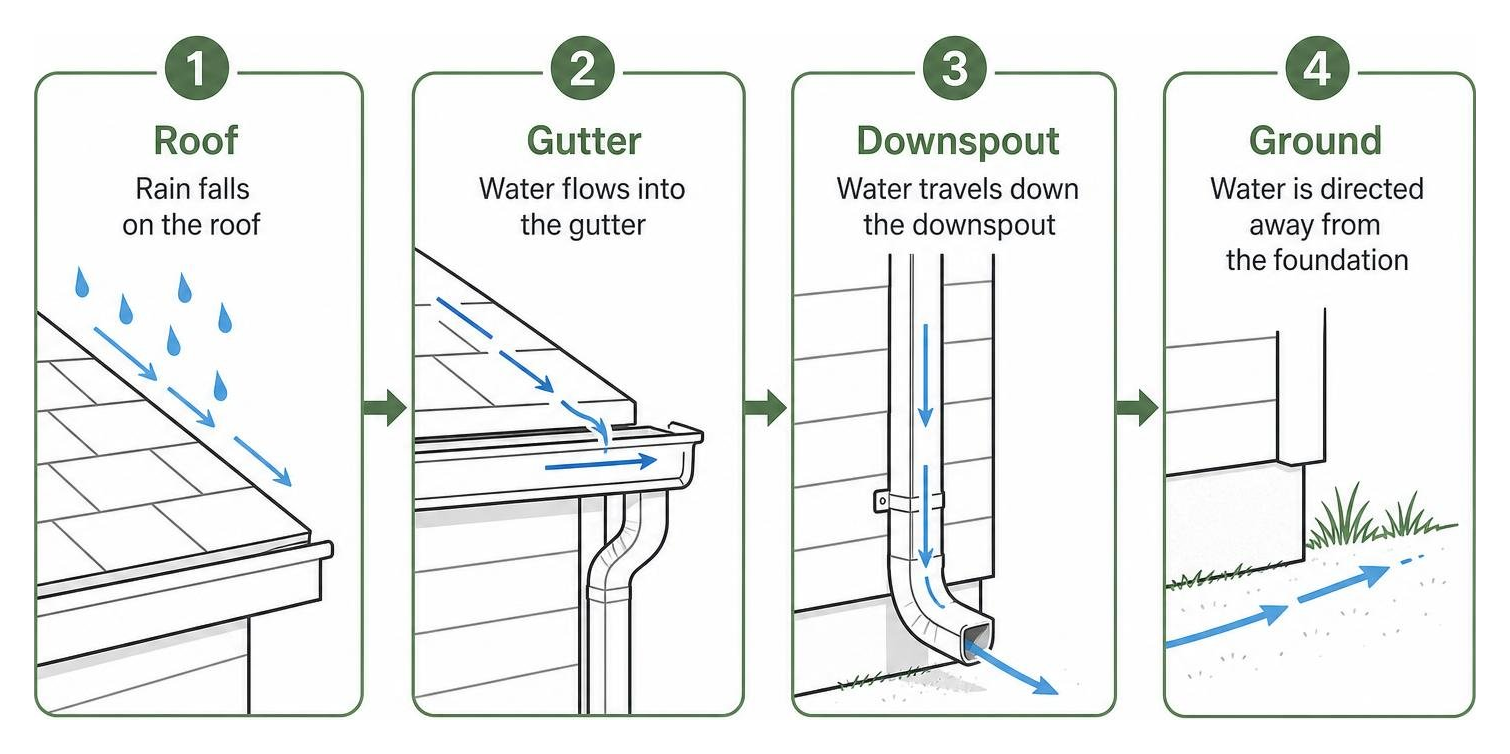
Gutters are often overlooked until they overflow, yet they are critical for directing water away from your foundation. A $200 gutter cleaning can prevent over $5,000 in water damage repairs. If you notice gutters sagging or pulling away from the fascia, address it immediately. Gutter reattachment is a relatively minor expense, costing roughly $2 to $5 per linear foot, whereas ignoring the issue can lead to a full replacement costing $7 to $15 per foot. Ensure your downspouts discharge water at least 3 to 6 feet away from the foundation to prevent hydrostatic pressure from causing basement leaks or structural shifting.
Exterior Envelope Protection: Siding, Windows, and Foundation
The exterior walls of your home serve as the secondary barrier against moisture and air infiltration. Over time, siding can crack, and the caulk around windows can degrade, creating pathways for water to enter your wall cavities.
Comparing Siding Materials for Home Exterior Maintenance and Roofing
Choosing the right siding material involves balancing upfront costs with long-term durability. Vinyl siding is a popular, cost-effective choice with a lifespan of 20 to 40 years, though it can become brittle in extreme temperatures. Fiber cement, such as James Hardie products, offers superior durability and can last up to 50 years. While fiber cement requires a higher initial investment, its resistance to rot and fire, combined with advanced finishes like ColorPlus Technology, often makes it the more economical choice over a 50-year horizon. Traditional wood siding remains a beautiful option but demands a high level of commitment, requiring painting every 3 to 7 years or staining every 2 to 5 years to prevent rot.
Window Caulking, Weatherstripping, and Energy Efficiency
Your windows and doors are frequent culprits for energy loss. Inspect the sealant joints around your frames annually. If you see cracks or gaps, apply a high-quality, paintable silicone or polyurethane caulk. For double-pane windows, a foggy appearance between the glass indicates a failed seal; in these cases, you will likely need an Insulated Glass Unit (IGU) replacement. Properly sealing these gaps can significantly reduce your heating and cooling bills, as air leaks are one of the primary drivers of energy inefficiency in residential buildings.
Foundation Crack Assessment and Soil Grading
Your foundation is the bedrock of your home’s value. During your seasonal walkthroughs, inspect the perimeter for cracks. While hairline cracks are often a normal result of settling, any horizontal, diagonal, or stair-step cracks wider than one-quarter inch should be evaluated by a structural engineer. Furthermore, ensure the soil around your home slopes away from the foundation. Ideally, the ground should drop about 6 inches over the first 10 feet. If the soil has settled, add dirt to restore the grade, which prevents water from pooling against your foundation walls.
Outdoor Structures and Seasonal Upkeep Checklists
Outdoor living spaces like decks and patios are significant contributors to your home’s resale value, often adding $5,000 to $10,000 when well-maintained.

Best Practices for Decks, Hardscapes, and Landscaping
To protect your deck, check for loose fasteners and signs of wood rot annually. A simple screwdriver probe can help you identify soft spots in the wood. If the wood is decaying, treat or replace the board immediately to prevent the damage from spreading. For hardscapes like asphalt driveways, annual crack filling and sealing can extend the surface’s lifespan up to 30 years. Finally, keep trees trimmed back at least 3 meters from your roofline to prevent branch damage and discourage pests from accessing your home.
Seasonal Checklists for Home Exterior Maintenance and Roofing
- Spring: Inspect the roof for winter damage, clean gutters, test outdoor GFCI outlets, and schedule an HVAC tune-up.
- Summer: Monitor for signs of pests, check the integrity of window screens, and ensure exterior paint or stain is holding up against UV exposure.
- Autumn: Clear gutters of fallen leaves, winterize irrigation systems, and seal any new gaps in siding or trim before the first freeze.
- Winter: Keep an eye out for ice dams on the roof and ensure vents remain clear of snow.
Professional Intervention vs. DIY Safety Standards
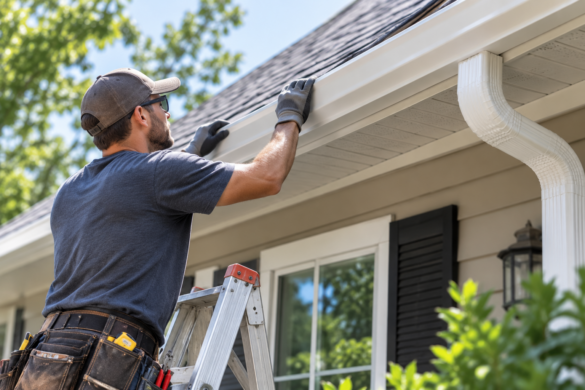
While many maintenance tasks are DIY-friendly, safety must be your priority. Never attempt to walk on a roof that is higher than a single story, and always use a stable, properly secured ladder. If you are uncomfortable with heights or if the task involves complex electrical or structural work, hire a professional. When selecting a contractor, always verify their licensing and insurance. A professional inspection is a small investment that provides peace of mind and ensures the job is done to code.
Frequently Asked Questions About Exterior Home Upkeep
How much should homeowners budget annually for exterior home maintenance?
The industry standard is to budget 1% to 2% of your home’s total value per year. For a $350,000 home, this equates to an annual maintenance fund of $3,500 to $7,000. This reserve ensures you can handle both routine upkeep and unexpected repairs without financial strain.
What are the earliest warning signs of roof failure?
Look for curling or missing shingles, excessive granule shedding in your gutters, cracked flashing around chimneys or vents, and visible sagging in the ridgeline. Inside the home, water stains on ceilings or walls are often the final warning sign that the roof’s exterior barrier has been compromised.
When does a foundation crack require a structural engineer?
You should consult a structural engineer if you observe horizontal cracks, stair-step cracks in brickwork, or any crack wider than one-quarter inch. These patterns often indicate active movement or structural distress that simple cosmetic filling cannot resolve.
Conclusion
Protecting your property is a journey, not a destination. By committing to regular inspections and proactive repairs, you are doing more than just maintaining a structure—you are safeguarding your family’s safety and your financial future. Whether you are performing a simple gutter cleaning or coordinating a professional roof assessment, every action you take today preserves the value and longevity of your home for years to come. Start your seasonal checklist this weekend, and rest easy knowing your home is prepared for whatever the weather brings.