
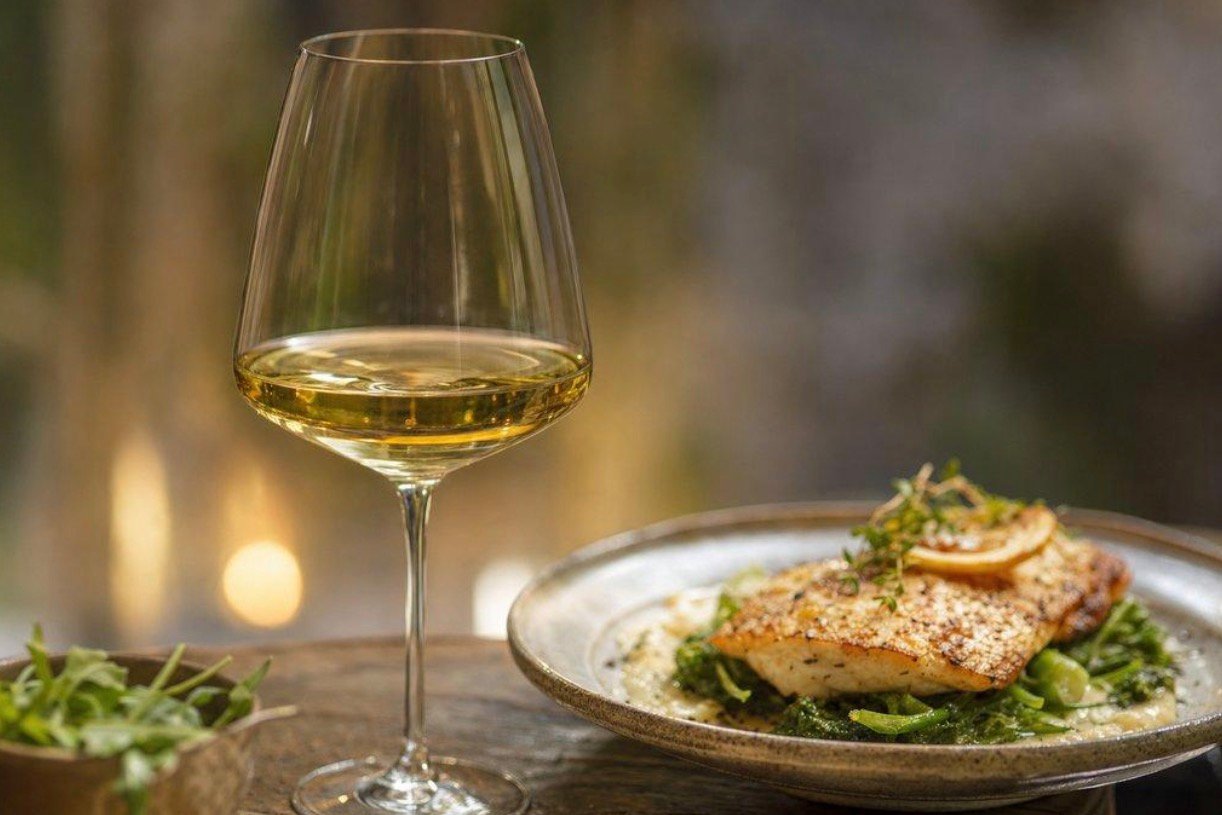
Buttery and rich? Try a wine with plenty of acidity, effervescence or pronounced tannic structure. Acidic and fresh? Seek out a wine with a lively and bright acid. Hearty and earthy (think mushrooms, lentils, roasted vegetables and savory herbs)? Earthy reds could be delicious. Salty? There are lots of possibilities here, it depends on what else is going on in the dish. Sweet? Choose a wine that’s as or more sweet. Spicy with chiles? Lower alcohol wines will keep things balanced.
It’s helpful to begin pairing with the overall flavor impression of the dish rather than focusing on just the protein. Chicken, for example, can be grilled and smoky and herby, smothered in a creamy sauce, cooked in a tomato sauce and so on. What is the predominant flavor or texture of the dish? That’s a helpful place to start.
There are many reasons to learn how to pair wine with food. Beyond the practical, there’s a certain pleasure in knowing how a zippy white wine can cut through fried chicken and make it seem less fattening or how a complex red can add dimension to a simple roast chicken. Pairing doesn’t have to be stuffy or exclusive. And it has nothing to do with expensive wine.
Acidity First
Acidic wines play well with just about everyone. They’re the lemon juice of the wine world, lending brightness to creamy sauces and roasted or broiled chicken, complementing oily fish, soft cheeses, fried foods, etc. Wines with pronounced acidity are great antidotes to rich or fatty dishes.
Dishes with tomatoes are another good example. Tomato sauces can clash with wines that are overly ripe and soft. Look for wines (red or white) with fresh acidity.
Balance and Texture
Rather than seeking out wines with flavors that precisely reflect the food on your plate, think of pairing as an exercise in balance. The guide “how to pair wine with food guide” puts that balance at the center of practical pairing choices. Balance rich and creamy foods with wines that have racy acidity or effervescence. Keep the alcohol in check if the food is spicy.
Beyond the flavors in a dish, consider its texture, creamy vs. crunchy, chewy grilled portobello mushrooms vs. crispy fried chicken cutlets, etc.
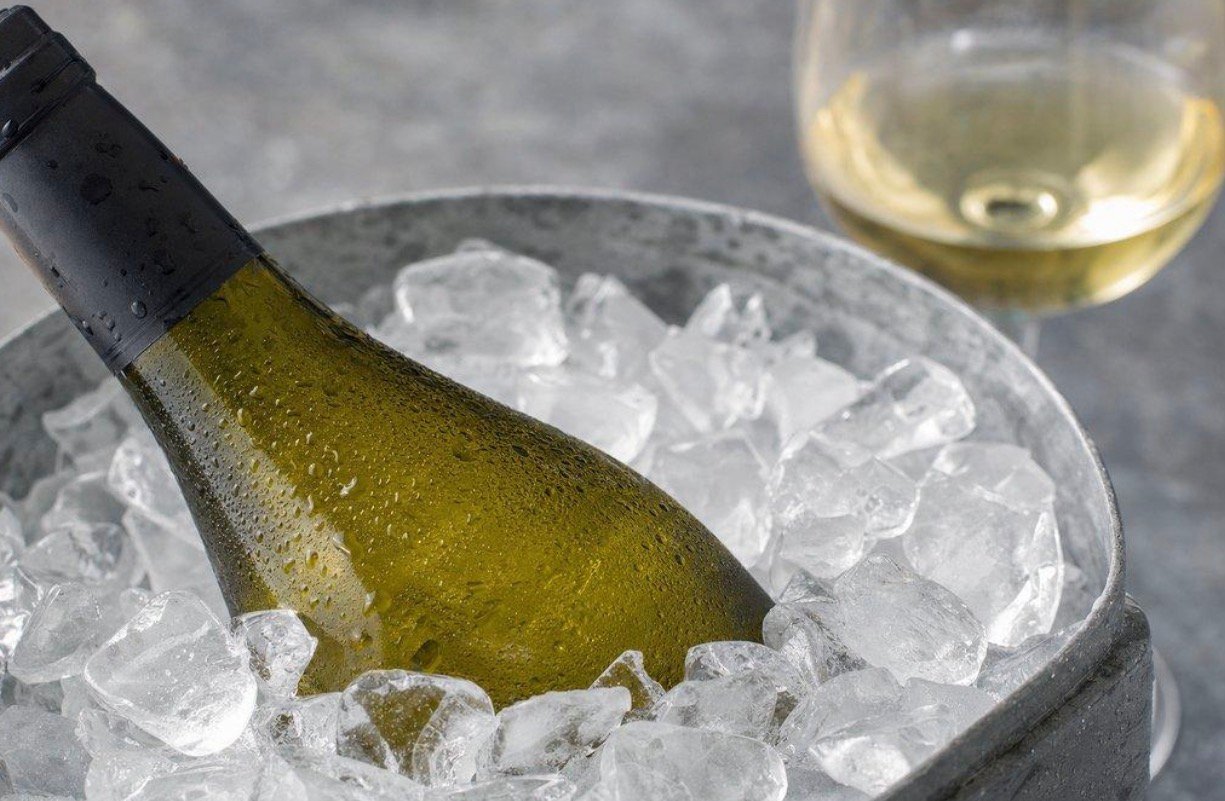
Chill whites and sparkling wine thoroughly and then allow them to warm up for about five minutes before serving. This will keep them from tasting pinched and closed down. You might even consider placing red wines in the refrigerator for 15-20 minutes before serving. This will tame the alcohol and make the fruit flavors easier to discern.
Spice and Sweetness
Spicy foods and dry, tannic, alcoholic red wines don’t mix well together. Instead, try a fruity or slightly sweet wine with spicy dishes.
When it comes to pairing wine with desserts, choose a wine that is at least as sweet as the dessert you’re serving. Otherwise, the wine will taste thin and bitter. Acidity is your friend with fruit based desserts. It keeps the wine from tasting syrupy and cloying.
Flexible Pairings
When in doubt, opt for a wine with zippy acidity.
Rosé isn’t just for sipping on the patio anymore. It pairs nicely with nearly everything, from salads and charcuterie to spicy foods and grilled meats. And while most red wines are too tannic to pair with fish, light, fresh and acidic reds are an exception. Not all whites are light and crisp, either. Some are creamy and lush.
Pairing Vocabulary
The next time you’re selecting a wine to accompany dinner, keep these basic descriptors in mind:
Body, think of body as weight on the palate. Light bodied wines pair nicely with delicate foods. Heavier dishes (steak, braised meats, rich sauces, etc.) call for full bodied wines.
Tannin is the astringent component of wine (explained in more detail at https://www.lovetoknow.com/food-drink/wine/tannins-red-wine) and feels much like strongly brewed tea. Tannic wines love fatty meats. But tannin and delicate foods (think fish) don’t mix well.
Aromatics, wines can be herbal, floral, peppery, smoky, earthy, etc. Match these aromatics with foods that have similar qualities.
Ultimately, it’s about experimentation. Taste the wine. Take a bite of food. Taste the wine again. How did the food change the wine? Did it make the wine taste more bitter? Less fruity? More astringent? If the wine and food don’t complement each other, don’t sweat it. Just choose a different wine the next time.
Keep it simple. No need to consult wine charts or follow arcane rules when pairing wine with food. Instead, focus on the most prominent flavor in a dish and choose a wine that echoes, complements or contrasts with that flavor.
Over time you’ll develop a sense for what you like (and don’t like) when it comes to wine and food. Try jotting down tasting notes after dinner (“too tannic to go with creamy pasta”, “loved this wine with salty snacks”, etc). In time, you’ll be able to dispense with the notes entirely.
