What a hospital bed changes
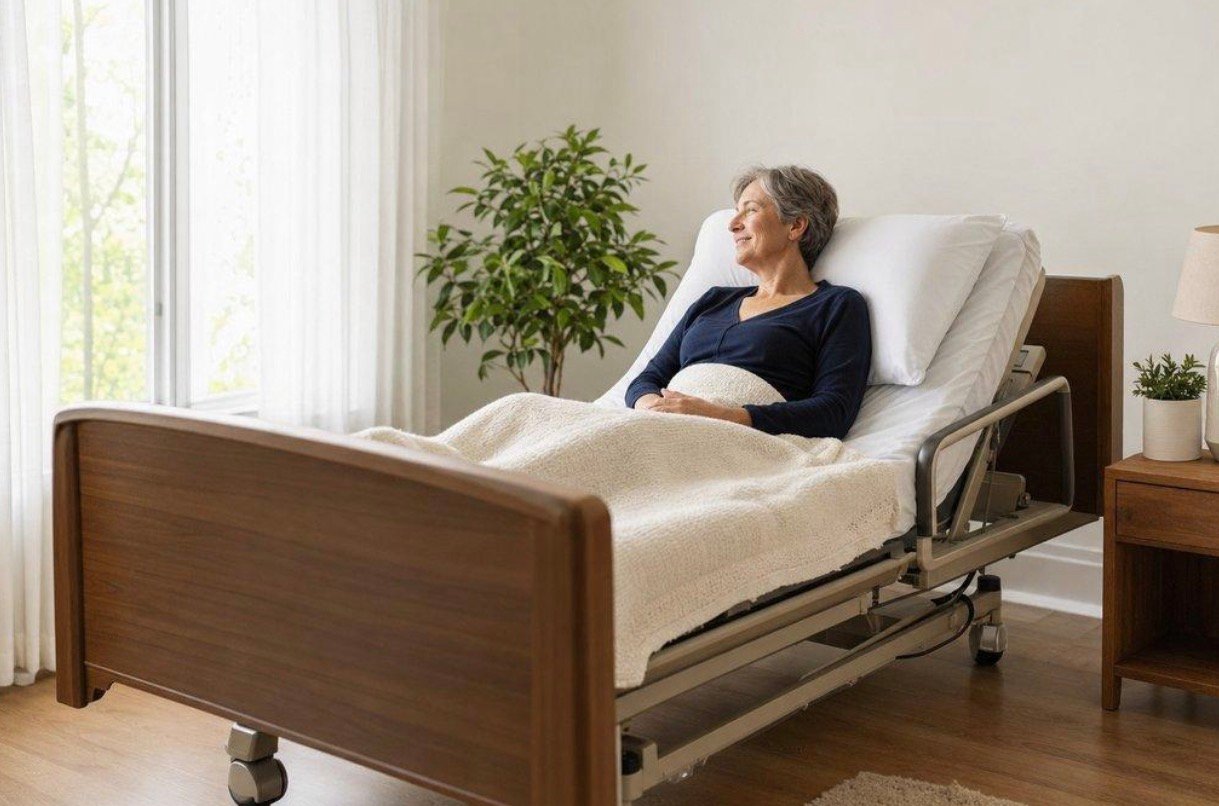
While there are medical reasons for using a hospital bed at home, there are also practical reasons. People who have difficulty getting in and out of bed because of an injury, illness or medical condition may find that a hospital bed offers an easier, safer way to sit up for meals or medication, transfer to and from a wheelchair – an assistive device discussed at www.who.int/news-room/fact-sheets/detail/wheelchairs – change clothing or other items, elevate their legs for comfort, and receive care at a height that is easier on caregivers’ bodies.
Start with the person, not the features
- Who will be using the hospital bed? While it may be tempting to focus on all of the add-on options that are available, like different types of side rails, controls and mattresses, start by thinking about the person who will be using the bed. How much help does he or she need during the day? Can he or she operate the controls independently? Does he or she entertain friends at home? Enjoy watching movies or reading in bed? Do they like to do crafts while resting? Answering these questions can help you determine what features would be most helpful. For example, if a person enjoys staying connected with friends and family while resting in bed, you may want to look for a hospital bed that can be adjusted to provide extra support for sitting up. If a person receives help getting in and out of bed, you may want to consider a bed that can be accessed from more than one side.
- How will the hospital bed fit into the décor of the home? No one wants their home or any room in their home to look and feel like a hospital room. If you need a hospital bed in your home, the available models and features provide practical options for fitting the bed into the room. While it may not be possible to blend a hospital bed seamlessly into the décor of a home, there are ways to personalize the area around the bed so it doesn’t feel so clinical. Incorporate the person’s favorite blankets and pillows, add some artwork and keep personal items within reach. Consider finding a way to incorporate a small shelf or table so the person has a place to keep a book, glass of water or other items he or she may want close by.
Will the bed actually fit?
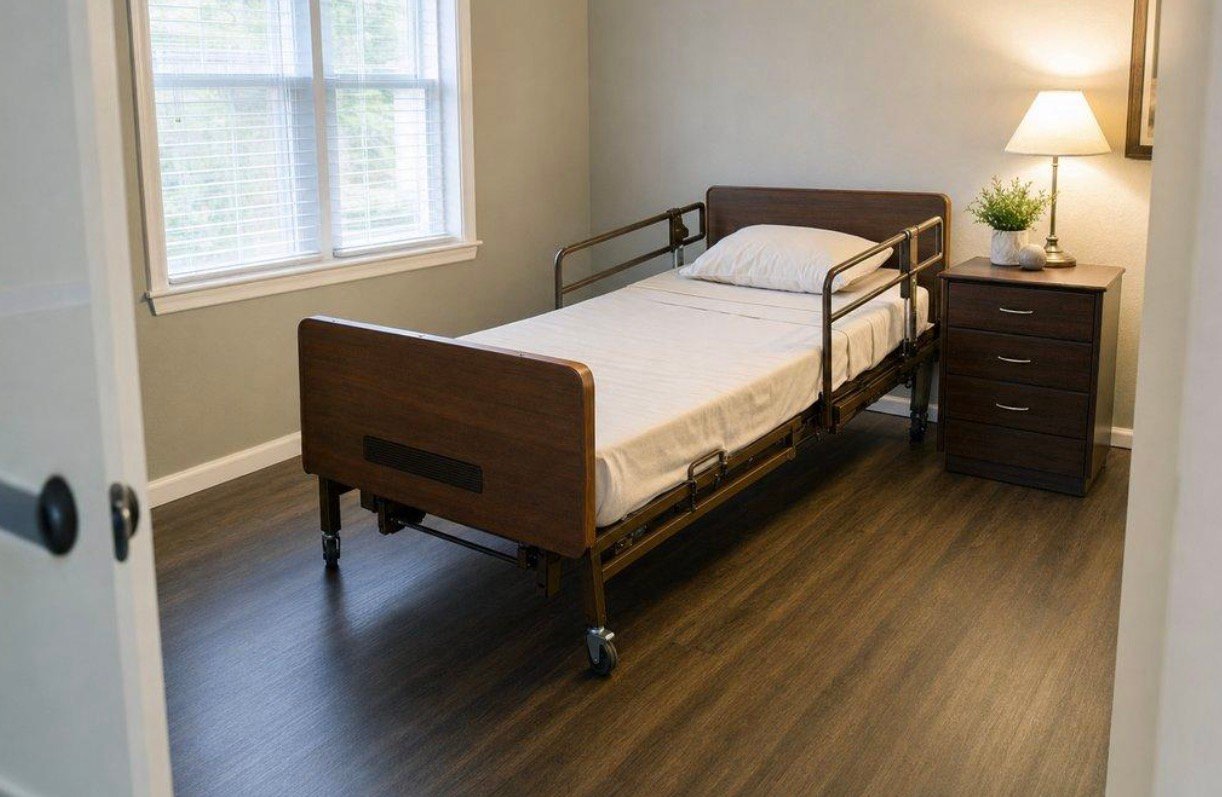
- How will the hospital bed fit into the room? Make sure there is enough room in the bedroom for the hospital bed. It’s important that caregivers have enough room to safely provide care and that other family members or visitors can get in and out of the room without tripping over anything. As a rule of thumb, try to leave at least 36 inches of open space on the side of the bed where most of the care will take place. This will make it easier for caregivers to get into position to help a person get in and out of the hospital bed without having to twist or contort their bodies to provide assistance. You’ll also want to consider how the hospital bed will get into the bedroom. Will it need to go through narrow hallways or doorways? Up or down stairs? Over area rugs? If so, you may want to consider moving some furniture out of the way to make delivery easier.
Think through the caregiving routine
- How will caregiving responsibilities change with a hospital bed in the home? While a hospital bed can make it easier for people to receive the care they need at home, it doesn’t mean that all of a person’s caregiving needs will be met with the addition of a hospital bed. People who use hospital beds at home may still need assistance with activities like bathing, getting dressed, taking medications, preparing and eating meals, using the toilet, talking with doctors or getting around their homes and communities. Consider how you or other caregivers will divide up these responsibilities. You may also want to think about how you can best organize the area around the hospital bed so caregiving tasks are as efficient as possible. For example, try to keep frequently used items within reach of the person in the hospital bed, but separate personal items from medical supplies as much as possible. Think about where you’ll store items like extra sheets and blankets, how you’ll keep remotes and other electronic devices charged and where you’ll keep medical supplies. Having a system in place can help make caregiving tasks feel a little less overwhelming at the end of a long day. If more than one person will be providing care, talk through how you’ll each use the features on the hospital bed, like the controls and side rails, to make sure everyone is on the same page. Not only will this help avoid confusion, it can also help the person using the hospital bed feel more secure knowing his or her care team is working together.
Setting up a hospital bed in the home can take some work, but when done thoughtfully, it can help make the transition to using a hospital bed feel a little less disruptive. Instead of feeling like an intrusion, a hospital bed can help create new rituals at home, like catching up over dinner, holding hands during the night or finding new ways to remain independent.