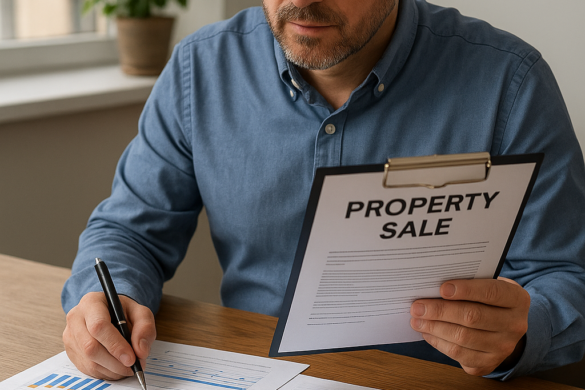
A home closing is the point where the purchase contract, financing, property records, and payment details come together. Understanding what does title insurance cover can also help buyers distinguish between issues tied to past ownership and future damage to the home.
Buyers do not need to become legal or lending experts to follow the paper trail. They do need a reliable way to compare documents, verify important details, and ask the right people for clarification before money changes hands.
Why the Closing Paper Trail Matters
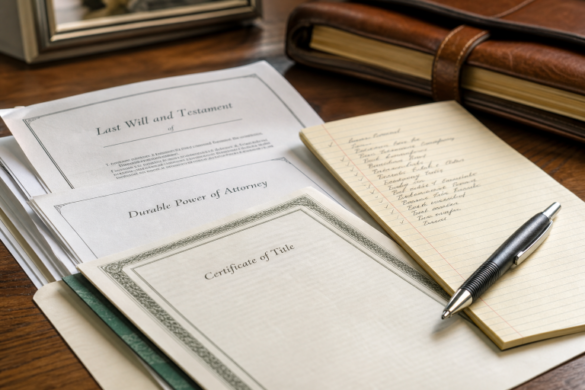
A real estate purchase creates a collection of legal and financial records, including the purchase agreement, loan disclosures, deed, tax information, title documents, and settlement paperwork. Each document serves a different purpose, but the details should fit together. A misspelled name, an old lien that was never released, or a different loan amount than expected can require attention before closing.
Reviewing these materials is not a substitute for advice from an attorney, lender, real estate agent, tax professional, or settlement professional. It is a practical way to understand the transaction and identify questions while there is still time to address them.
Start With the Property Record
The property record helps show what is being transferred and whether recorded matters may affect ownership or use. A title search commonly examines public records connected to the home. Buyers can use the title process as a plain-language overview of how deeds, liens, taxes, and recording issues can affect a transaction.
- Current deed and prior ownership records: Confirm the seller shown in the transaction has the right to transfer the property.
- Recorded mortgages and releases: Ask whether existing loans will be paid off and released as part of closing.
- Property taxes: Review whether taxes are current and how any prorated amounts are handled.
- Liens and judgments: Clarify who is responsible for resolving contractor, tax, or judgment liens.
- Easements and restrictions: Review recorded rights of way, utility access, or use restrictions that may affect the property.
- Legal description and parcel number: Check that these details match the property being purchased.
Check the People Listed on the Documents
Names and ownership details should be consistent across the contract, identification, loan paperwork, and deed. A small mismatch can create recording problems or require corrected documents. Buyers should also confirm their intended form of ownership before signing, especially when purchasing with another person, through a trust, or through a business entity.

Ask early if the sale involves an estate, divorce, trust, power of attorney, or business entity. These situations may require additional signatures or documents showing authority to sell. The same care applies to marital status, which can affect how ownership is described under state law.
Review the Financial Side of the Closing
Compare the final Closing Disclosure with the most recent Loan Estimate and purchase agreement. Differences are not always errors, but they should be understood before signing. The Consumer Financial Protection Bureau provides a closing checklist that can help buyers organize questions about documents, insurance, and final loan terms.
- Confirm the purchase price, loan amount, interest rate, and projected monthly payment.
- Review lender fees, recording charges, taxes, prepaid items, and escrow deposits.
- Verify seller concessions, repair credits, deposits, and any other agreed credits.
- Ask why a charge changed from an earlier estimate or differs from the contract.
- Confirm the final amount needed to close and the approved method for delivering funds.
Separate the Types of Property Coverage
Homeowners insurance and title insurance address different risks. Homeowners insurance generally concerns future physical damage or liability events, subject to the policy terms. Title insurance is connected to certain ownership and record matters that existed before the buyer acquired the property.
A lender’s title policy generally protects the lender’s interest in the mortgage. An owner’s policy, when purchased, addresses the buyer’s ownership interest. Buyers should read the policy commitment and final policy carefully, paying attention to exclusions, exceptions, endorsements, coverage limits, and any recorded matters listed in the documents.
Look for Common Closing Delays
Many closing issues can be resolved, but they may take time. Common examples include unreleased mortgages, unpaid property taxes, contractor liens, incorrect legal descriptions, missing signatures, unresolved estate or divorce matters, boundary questions, easement concerns, and last-minute lender conditions.
If an issue appears shortly before closing, ask what document or action is needed, who is responsible for it, and whether it changes the planned closing date. Do not assume an item has been cleared simply because it was discussed verbally.
Build a Simple Pre-Closing Review System
- Create one document folder: Keep the contract, amendments, inspections, disclosures, estimates, and final paperwork together.
- Mark changed numbers: Highlight changes in price, credits, fees, loan terms, and cash needed to close.
- Maintain one question list: Record open items, the person handling each item, and the expected response date.
- Confirm deadlines: Track insurance proof, deposits, final walkthroughs, lender requests, and fund-delivery instructions.
- Verify payment instructions: Confirm wiring instructions through a trusted phone number you independently verify.
- Request time to review: Avoid rushing through documents that affect ownership or loan obligations.
Questions to Ask Before Signing
- Are any property-record issues still unresolved?
- Who is responsible for clearing outstanding liens or balances?
- Which costs are required, and which were negotiated?
- Has the final cash needed to close changed?
- What does each coverage policy include and exclude?
- When will the deed and loan documents be recorded?
- Who should be contacted if a problem is discovered after closing?
What to Keep After Closing
Save paper and digital copies of the recorded deed, Closing Disclosure, purchase agreement and amendments, loan note and mortgage documents, insurance policies, inspection reports, repair records, survey, appraisal, and receipts for major improvements. These records can be useful for future refinancing, repairs, insurance claims, tax questions, or a later sale.
Common Questions About the Closing Paper Trail
When should buyers start reviewing closing documents?
Start when the purchase contract is signed, then review updated documents as they arrive. A final comparison is especially important when the Closing Disclosure and signing package become available.
What if a buyer finds an error?
Notify the lender, settlement professional, agent, or attorney promptly. If the issue affects ownership, money, or loan terms, request clarification or a corrected document before signing.
Do closing practices stay the same in every state?
No. States and counties can use different forms, recording systems, payment customs, and professional roles. Confirm local requirements rather than relying only on a general checklist.
Conclusion
A home closing is easier to manage when buyers treat it as a connected paper trail rather than a single appointment. Checking names, ownership records, costs, loan terms, and final documents can reduce confusion and create time for useful questions before closing day.