A collision in Eau Claire County can leave you shaken, sore, and unsure what to do first. The most useful approach is simple: protect everyone’s safety, get appropriate care, preserve the facts, and give yourself time to understand the full impact of the crash. When injuries, insurance disputes, or unclear fault complicate matters, an Eau Claire personal injury lawyer may help explain the options that fit your circumstances. The first hours and days matter because memories fade, vehicles are repaired, video footage may be overwritten, and symptoms can change. Still, building a claim should never come before getting out of danger or seeking medical attention. Focus on calm, practical decisions rather than trying to resolve blame at the roadside.
1. Check for Injuries and Get to a Safe Place
Check yourself, passengers, and others involved if it is safe to do so. Call 911 if anyone is injured, trapped, confused, in immediate danger, or needs emergency assistance. Turn on your hazard lights and be especially careful around moving traffic. If no one is injured and the vehicle can be safely driven, Wisconsin’s requirements for moving vehicles after minor crashes generally direct motorists to clear traffic as much as possible before exchanging information. If moving the vehicle would be unsafe, remain secured in a safer position when possible and wait for instructions from emergency personnel.
2. Report the Crash When Required
Do not assume a report is unnecessary just because damage appears limited. In Wisconsin, crashes involving an injury, at least $1,000 in damage to a person’s vehicle or property, or at least $200 in damage to government property are reportable. If law enforcement does not complete the report, a driver report may be necessary. Keep the responding agency’s name, the report number, and the names of any officers or responders you speak with. Wisconsin’s crash reporting instructions explain the current reporting thresholds and information needed to complete a driver report. Save copies of every form, confirmation, and letter connected to the crash.
3. Exchange Information Without Debating Fault
Exchange essential information with the other driver when you can do so safely. Useful details include:
- Names, phone numbers, addresses, and driver’s license information.
- Insurance company names, policy information, and vehicle registration details.
- Vehicle make, model, color, license plate number, and visible damage.
- Names and contact details for passengers and independent witnesses.
- Tow company information and the location where vehicles are taken.
Keep the conversation factual and brief. Avoid apologizing in a way that could be misunderstood as accepting fault, accusing another person, guessing about speed or distance, or making payment promises. Responsibility is often evaluated later using multiple sources of information.
4. Photograph the Scene and Preserve Physical Evidence
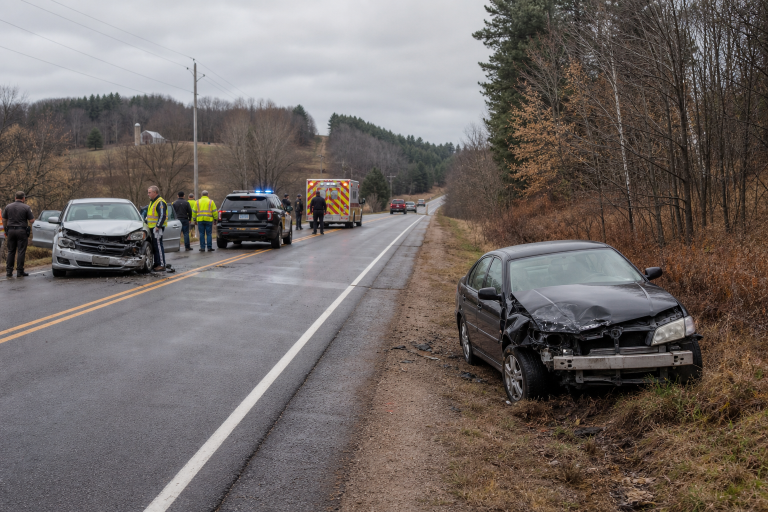
Photographs can preserve details that may look different within hours. If conditions allow, take wide shots of the vehicles, traffic lanes, intersection, road surface, weather, signs, signals, debris, skid marks, and nearby landmarks. Then take close photos of vehicle damage, personal property, and visible injuries. Save dash-camera footage immediately, since many systems record over older files. Keep damaged clothing, helmets, car seats, eyeglasses, and other relevant items rather than throwing them away. Do not authorize repairs or dispose of damaged property until it has been thoroughly documented and, if appropriate, inspected.
5. Seek Medical Care and Track Symptoms
Some crash-related symptoms are not obvious at the scene. Seek medical attention based on your condition and follow the advice you receive. Be honest about pain, dizziness, headaches, sleep problems, mobility limits, emotional changes, or symptoms that worsen after the collision.
Keep a Simple Recovery Record
- Appointment dates, provider names, tests, referrals, and treatment instructions.
- Changes in symptoms, pain levels, activity limitations, and medication effects.
- Medical bills, pharmacy receipts, mileage, and out-of-pocket expenses.
- Workdays missed, reduced hours, canceled responsibilities, and lost income documentation.
A short daily note can be more reliable than trying to reconstruct months of treatment later. Record facts, not exaggerations, and do not skip recommended follow-up care without discussing concerns with your provider.
6. Notify Insurance Companies Carefully
Your own policy may require prompt notice of a crash, so report it without unnecessary delay. Provide basic, accurate facts about the time, location, vehicles, and people involved. If you do not know an answer, say so instead of guessing. Keep copies of emails, letters, claim numbers, estimates, and notes from each conversation. Be cautious about recorded statements while you are confused, medicated, or still learning the extent of your injuries. An early settlement offer may not account for ongoing treatment, wage loss, future care, or complications that are not yet known.
7. Build a Clear Crash File
Create a dedicated paper folder or secure digital file as soon as possible. A well-organized file can reduce stress and make it easier to identify missing information. Include:
- A one-page timeline beginning with the crash date and time.
- Police reports, driver reports, insurance details, and correspondence.
- Photos, video files, witness information, and repair estimates.
- Medical records, bills, prescriptions, and receipts.
- Pay stubs, employer notes, and records of time missed from work.
- A running list of questions for medical providers and insurance representatives.
Special Circumstances and Common Mistakes
If the accident involved a commercial truck, work vehicle, bicycle, motorcycle, pedestrian, government vehicle, or multiple drivers, additional evidence and insurance policies may be involved. These cases can also raise different notice requirements or deadlines, so it is wise to preserve records quickly. Common mistakes include posting detailed crash information on social media, deleting messages, discarding damaged property, ignoring insurer correspondence, or accepting money without understanding what rights are being released. If the other driver blames you, do not assume that statement settles the issue. Photos, witness accounts, vehicle damage, reports, and other evidence can all matter.
When Professional Advice May Help
Consider seeking case-specific advice when injuries are serious, fault is disputed, an insurer delays or denies payment, several vehicles are involved, or the crash caused a death. Ask about applicable deadlines, available insurance coverage, evidence that should be preserved, fees, expenses, and who will handle insurer communications. Every collision is different, but prompt action, careful records, and measured decisions can help protect your ability to pursue a claim.
Conclusion
A collision in Eau Claire County can create confusion and stress, but taking practical steps can make the aftermath more manageable. Put safety and medical care first, then preserve photographs, witness information, reports, videos, and other evidence while details are still available. Notify insurers promptly, but keep communications factual and avoid accepting a settlement before the full extent of injuries, treatment, expenses, and lost income is understood. Maintaining one organized crash file can also make it easier to track recovery and identify important information. If fault is disputed, injuries are serious, or insurance issues become complicated, consider seeking qualified legal guidance about your specific circumstances. A calm, well-documented approach can help protect important options while you focus on recovery.