 Travel habits have shifted in recent years as more people move away from fast-paced itineraries filled with constant activity. Instead of trying to see everything in a limited time, travelers are now choosing experiences that allow them to slow down and reset. This change reflects a deeper awareness of how travel can impact mental clarity and physical well-being. Rather than returning home exhausted, many now expect to feel refreshed and balanced.
This shift has also increased interest in destinations known for their calm landscapes and wellness-focused offerings. Regions like Virginia, known for its rolling countryside and peaceful rural settings, have become appealing for travelers seeking restorative experiences. Spa-centered getaways in such locations provide a setting where relaxation feels natural rather than forced. As a result, wellness retreats are no longer treated as optional add-ons.
The Rise of Wellness Tourism: A New Travel Priority
Wellness tourism continues to grow as travelers place greater importance on health and self-care. Many now look beyond traditional attractions and instead focus on experiences that support relaxation, mindfulness, and overall well-being. This shift is especially noticeable among those managing demanding work schedules and constant digital engagement. As a result, travel is increasingly expected to serve a deeper purpose beyond simple entertainment, leading more people to choose destinations that actively support their well-being.
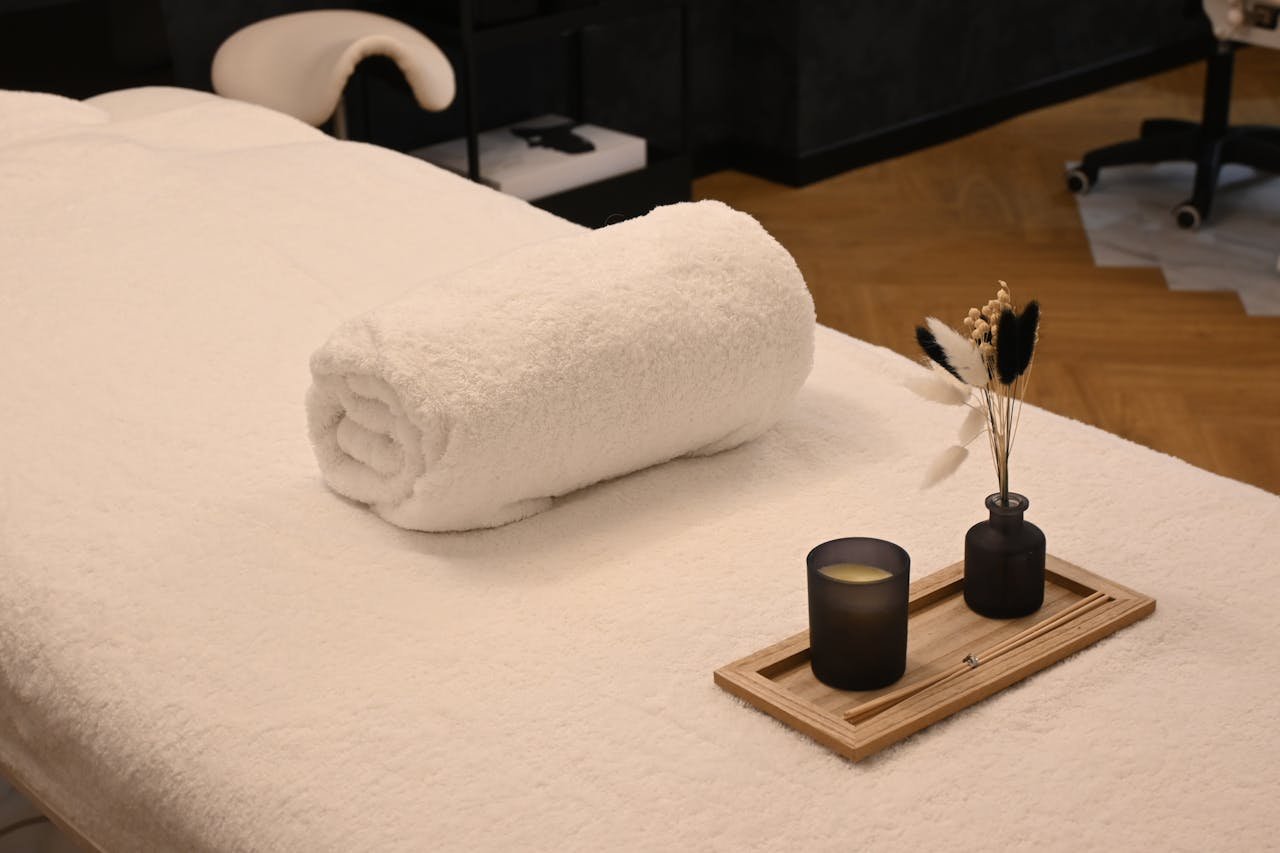
In response to this demand, spa retreats have become particularly appealing because they combine peaceful natural settings with well-developed hospitality infrastructure. Many travelers are now seeking places that combine scenic surroundings with guided wellness experiences in a single stay. If you are looking for a spa retreat Virginia has plenty of options available. One standout example is Nicewonder Farm & Vineyards, where spa experiences are thoughtfully designed to balance relaxation with the surrounding landscape.
Digital Detox and Mental Health: Escaping the Always-On Culture
Constant connectivity has made it difficult for many people to disconnect fully, even while on vacation. Notifications, emails, and social media often follow travelers wherever they go, limiting their ability to relax truly. Spa retreats address this challenge by encouraging guests to step away from digital distractions and focus on their mental well-being. This intentional break helps reduce stress and improve overall focus.
Many retreats design their programs to support mental clarity through guided practices such as meditation, breathing exercises, and quiet reflection. These activities create a structured environment where guests can slow down and regain balance. Without the pressure to stay connected, travelers often experience better sleep and a more positive mood. This reset allows them to return home feeling more centered and better equipped to manage daily responsibilities.
Eco-Therapy and Nature Integration: Healing in Natural Settings
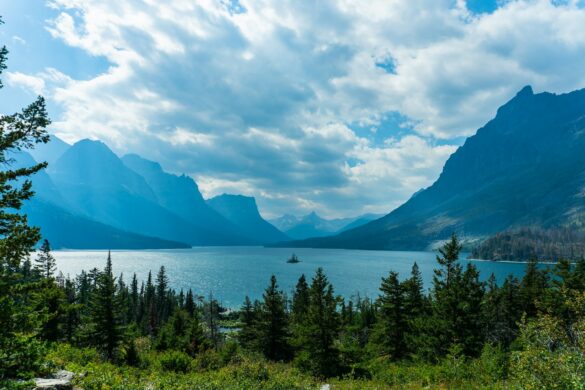
Natural environments play a significant role in the effectiveness of wellness retreats. Many spa destinations are located in rural or countryside settings where open spaces and fresh air contribute to a sense of calm. Being surrounded by nature allows travelers to step away from urban noise and experience a quieter, more grounded atmosphere. This connection supports both physical relaxation and mental clarity.
Retreats often incorporate outdoor activities such as walking trails, yoga sessions, and time spent in natural landscapes. These experiences encourage movement while maintaining a peaceful pace. Exposure to natural surroundings has been linked to reduced stress levels and improved emotional well-being. By combining structured spa treatments with time in nature, travelers benefit from a more complete approach to restoration that extends beyond traditional indoor relaxation methods.
Customized Wellness Curations: Personalized Paths to Well-Being
Travelers today expect more than standard spa menus. They want experiences that reflect their individual goals and preferences. Modern retreats respond by offering tailored wellness programs focused on specific outcomes, such as stress reduction, improved fitness, or better nutrition. This personalized approach helps guests feel more engaged and ensures their time is used effectively.
Many retreats begin with consultations to understand each guest’s needs before recommending treatments or activities. These may include customized massage therapies, guided fitness sessions, and advanced skincare solutions designed to support long-term results. Some wellness programs now incorporate science-backed elements such as peptide-based treatments, which are often used to support skin rejuvenation and recovery. By aligning services with personal goals, travelers gain more meaningful results.
Hydrotherapy and Ancient Healing: Timeless Practices Reimagined
Traditional healing methods are gaining renewed interest as travelers seek proven ways to relax and recover. Hydrotherapy, which uses water in various forms for therapeutic benefits, has become a key feature in many spa retreats. Treatments such as warm mineral baths, contrast pools, and steam therapies help improve circulation and reduce muscle tension.
Modern retreats combine these long-standing practices with updated facilities and professional guidance. This balance allows guests to experience the benefits of ancient wellness traditions in a comfortable and controlled setting. These therapies not only support physical recovery but also contribute to mental relaxation. As a result, they remain an essential part of the overall retreat experience.
Luxury Meets Sustainability: Conscious Comfort in Travel
Luxury travel is evolving to place greater emphasis on environmental responsibility. Many spa retreats now integrate sustainable practices without compromising on comfort or quality. This includes using eco-friendly materials, sourcing local ingredients, and reducing waste throughout operations. Travelers are becoming more aware of these efforts and often consider them when choosing a destination.
At the same time, high standards of service and design remain a priority. Guests can enjoy well-appointed accommodations, thoughtfully prepared meals, and premium wellness facilities while supporting responsible tourism. This balance allows travelers to feel confident that their experience aligns with their values. It also encourages the industry to continue developing more sustainable approaches to luxury travel.
Long-Term Benefits: The Lasting Impact of a Short Escape
A well-designed retreat offers benefits that extend beyond the duration of the stay. Even a short visit can lead to noticeable improvements in sleep quality, stress levels, and overall energy. Travelers often return with a clearer mindset and renewed focus. These outcomes make wellness retreats a practical investment rather than a temporary indulgence.
In addition to immediate effects, many guests adopt new habits during their stay. Practices such as mindful breathing, balanced eating, and regular movement can be continued at home. This lasting impact enhances the experience and supports long-term health. As more people recognize these benefits, spa retreats continue to gain relevance in modern travel planning.