Buying a yacht feels like the finish line, but it is really the starting gun. The purchase price is only the first check you will write. Wealthy owners know that keeping a vessel in top shape takes planning, a skilled team, and steady spending.
New owners often learn this the hard way. A boat sitting in saltwater is under attack every hour of every day. Corrosion, marine growth, and engine wear never take a day off, so the owners who enjoy their yachts most are the ones who treat upkeep as a routine rather than a reaction.
The Real Cost of Ownership
A common rule in the yachting world says to budget roughly ten percent of the purchase price each year for running costs. A ten million dollar yacht can therefore cost about one million dollars annually to operate and maintain.
That figure covers more than repairs. It includes crew wages, fuel, insurance, dockage, cleaning supplies, software subscriptions, and scheduled servicing. Some years run lower, but a major refit or engine overhaul can push the total far higher.
Wealthy owners rarely get surprised by these numbers because they plan for them early. They set aside a dedicated reserve fund, often tied to the yacht’s own accounts, so a sudden repair never forces them to scramble for cash.
Building the Right Crew
Behind every well-kept yacht is a professional team. Larger vessels typically carry a captain, engineer, deckhands, a chef, and interior staff. Smaller yachts may run with just a captain and one mate.
The captain is the most important hire you will make. A strong captain manages the budget, schedules maintenance, hires contractors, and keeps the vessel compliant with safety rules. Many owners pick a captain before they even close the sale.
The engineer matters just as much. This person watches the engines, generators, and electrical systems daily, and often catches a failing part weeks before it breaks. Good engineers save owners enormous sums by solving small issues quickly.
Daily and Weekly Routines
Maintenance on a well-run yacht starts every morning. Crew members rinse salt off exterior surfaces, wipe down stainless steel, and check engine room fluids and bilge levels. These small habits prevent damage that would otherwise build up quietly.
Weekly tasks go deeper. The crew tests safety gear, runs backup generators, inspects lines and fenders, and cleans air conditioning filters. They record every task in a logbook, which also helps when you eventually sell.
A few routine jobs that experienced crews rarely skip:
- Fresh water rinse after every outing
- Engine oil and coolant level checks
- Bilge pump function tests
- Teak and deck polishing
- Battery and charging system inspections
- Fire extinguisher and alarm checks
Hull Care and Antifouling
Your hull is the foundation of everything. Barnacles, algae, and other marine growth cling to the bottom of a boat, creating drag that burns more fuel and slows the vessel. Specialized antifouling paint slows that growth.
Most yachts need fresh bottom paint every two to three years, and the work happens while the boat is lifted out of the water in a shipyard. Crews also replace sacrificial anodes, which are metal pieces designed to corrode first so your expensive metal parts last longer.
Divers often clean the hull between haul outs, especially in warm waters where growth is fast. Wealthy owners schedule this work on a calendar rather than waiting for a visible problem.
Engines and Mechanical Systems
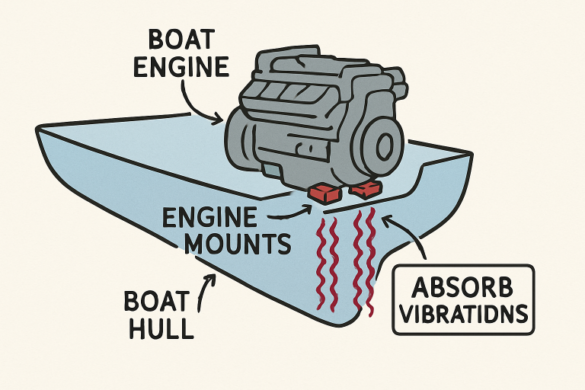
Engines run on strict service schedules measured in operating hours. Oil changes, filter swaps, and belt inspections happen at set intervals, and skipping them can shorten an engine’s life by years. Most manufacturers publish exact timelines you should follow closely.
Owners also invest in oil analysis, where a small sample is sent to a lab. The results reveal metal particles or contamination long before any warning light appears, which lets the engineer fix a problem during planned downtime.
Stabilizers, thrusters, watermakers, and generators need the same attention. A yacht has dozens of systems working together, so a tracking program that lists each part and its next service date becomes a lifesaver.
Polishing
“Marble gives a yacht interior its luxurious feel, but it needs gentle and specific care. Salt air, humidity, and constant movement dull the surface and can leave stains if crews ignore small spills,” advice the experts at Just Call Classic, a company that offers yacht marble polishing in South Florida.
Professional stone polishers visit once or twice a year. They grind out scratches, restore the shine with polishing powders, and apply a sealer that repels moisture. Floors and bathrooms need it most.
Refits and Winter Layups
Every few years, a yacht goes into a refit period. This is when major projects happen, such as engine rebuilds, new upholstery, updated electronics, and fresh paint on the entire exterior. Yards often need months of lead time, so smart owners book well ahead.
Many owners schedule these projects during the off season. A Mediterranean yacht might head to a shipyard in winter, then return to the water in spring looking brand new and ready for guests.
Layups also protect a yacht that will sit unused. Crews drain water lines, cover equipment, run dehumidifiers, and keep systems cycling. A boat left alone for months without care will often develop mold, leaks, and electrical faults.
Insurance, Surveys, and Paperwork
Insurance companies expect regular surveys, and so do future buyers. A qualified marine surveyor inspects the hull, machinery, and safety equipment, then produces a report listing what needs attention. Wealthy owners treat these reports as a roadmap rather than a threat.
Paperwork matters too. Registration, flag state requirements, crew certifications, and safety inspections all carry deadlines. Missing one can ground your vessel or void your coverage, so a good captain tracks every date closely.
Keep digital and paper copies of every receipt and service record. A thick maintenance history raises resale value, and buyers will pay more for a yacht that clearly received steady, documented care.
Conclusion
Owning a yacht is a joy, but it works best when you respect the effort behind it. The wealthy owners who stay happiest hire strong crews, follow schedules, and keep clean records.
If you are new to this world, start with a realistic budget, choose your captain carefully, and build routines early. Do that, and your yacht will reward you with many smooth seasons on the water.