 Have long trips ever felt exciting at first, only to turn overwhelming before departure even begins?
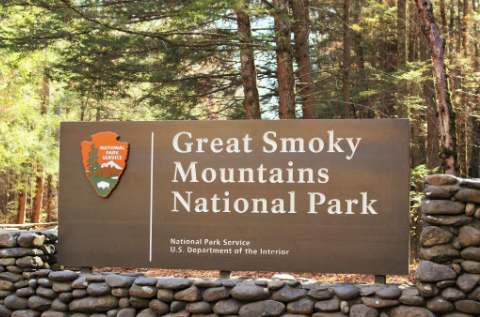
Travel today carries a strange mix of anticipation and pressure. Social media feeds are filled with perfectly curated journeys, while real planning often feels messy and rushed. Flights get delayed, luggage rules keep changing, and expectations rise higher each year. It is no longer just about reaching a destination, it is about doing it right. That pressure builds quietly, turning what should be enjoyable into something exhausting. In places like Great Smoky Mountains National Park – located along the border of Tennessee and North Carolina – nature promises calm; yet preparation often determines whether that calm is actually felt. In this blog, we will share practical ways to prepare for long trips without losing control, while keeping routines steady and stress levels manageable.
Start With A Plan That Feels Doable Not Perfect
Planning a long trip often begins with too many tabs open. It is easy to fall into the trap of overplanning every hour, thinking it will reduce stress later. In reality, that approach creates pressure before the trip even begins. A better method is to build a flexible outline, not a rigid schedule.
Focus should be placed on essentials first. Travel dates, accommodation and transport should be confirmed early. Once these are set, everything else can be layered in gradually. This approach prevents last-minute scrambling, which is often the main cause of overwhelm. A simple plan often works better than a detailed one that is hard to follow.
Know Your Destination Before You Pack A Single Bag
Preparation becomes easier when the destination is understood clearly. Many travelers pack based on assumptions rather than actual conditions. That mistake leads to overpacking or missing essential items.
When exploring Smoky Mountains hikes, it helps to know what the terrain demands. Trails vary in difficulty, weather can shift quickly and elevation changes affect comfort. A bit of research changes everything. For example:
- Kuwohi Trail offers a short yet steep climb with cooler temperatures at the top.
- Gatlinburg Trail provides a calmer path along a river, making it suitable for relaxed walks.
- Grotto Falls Trail allows visitors to walk behind a waterfall for a unique experience.
- Baskins Creek Trail leads to a quieter waterfall, ideal for less crowded spots.
- Alum Cave Trail presents a more challenging climb with rewarding views.
These details influence what is packed and how time is managed. A traveler who understands the environment prepares differently from one who guesses. That preparation reduces stress later, since fewer surprises appear along the way.
Consider a scenario where two groups arrive at the same destination. One has researched trail conditions, while the other relies on general expectations. The prepared group moves confidently, while the other struggles with unsuitable gear and poor timing. The difference comes from knowledge, not effort.
Pack With Purpose Or Carry The Stress With You
Packing is often treated as a quick task, yet it shapes the entire travel experience. Overpacked bags create physical strain, while underpacking creates inconvenience. The goal is not to pack more, it is to pack smarter.
Items should be grouped based on use rather than category. Essentials should be accessible, not buried under layers of unnecessary items. This simple adjustment saves time and reduces frustration during the trip. It also keeps daily routines easier to maintain.
There is also a growing trend toward minimal travel, influenced by both cost and convenience. Airlines continue to tighten baggage rules, while travelers look for ways to move freely. This shift highlights a broader idea. Less really can be more when it comes to travel.
Would carrying fewer items make movement easier and decisions quicker? That question often leads to better packing choices. The aim is to travel light without sacrificing comfort.
Build A Routine That Travels With You
Long trips disrupt daily habits, which often leads to fatigue and stress. A routine does not need to be strict, but it should exist in some form. Simple habits such as consistent meal times or sleep patterns create a sense of stability.
This approach becomes especially useful during longer journeys where days start blending together. When routines are maintained, the body adjusts faster and energy levels stay balanced. Without them, even exciting activities begin to feel tiring.
There is also a psychological benefit to routine. It creates familiarity in unfamiliar places. That familiarity reduces stress as it provides a sense of control. And no, routines do not remove spontaneity, they support it by keeping everything else stable.
Picture a traveler who keeps a steady morning routine, even in a new environment. That consistency sets the tone for the entire day. Compare that with someone who skips meals and sleeps irregularly. The difference in energy and mood becomes obvious quickly.
Keep The Focus On The Experience Not The Checklist
It is easy to turn travel into a series of tasks. Visit this place, take that photo, check off another location. While this approach feels productive, it often removes the joy from the experience.
Long trips should not feel like a race. A relaxing mountain getaway, for example, should feel like one. Slowing down does not mean missing out, it often means experiencing more.
There is a subtle irony in modern travel culture. The desire to capture every moment sometimes prevents those moments from being fully experienced. Stepping away from that pressure can change the entire trip.
A traveler who focuses on fewer experiences often remembers more. The mind absorbs details better when it is not overwhelmed. That is where the real value of travel lies.
Preparing for a long trip does not have to feel overwhelming. With clear planning, thoughtful packing and flexible expectations, the process becomes manageable. The goal is not to control every detail, but to create a system that supports the journey. When preparation is handled with intention, the trip becomes less about stress and more about discovery.