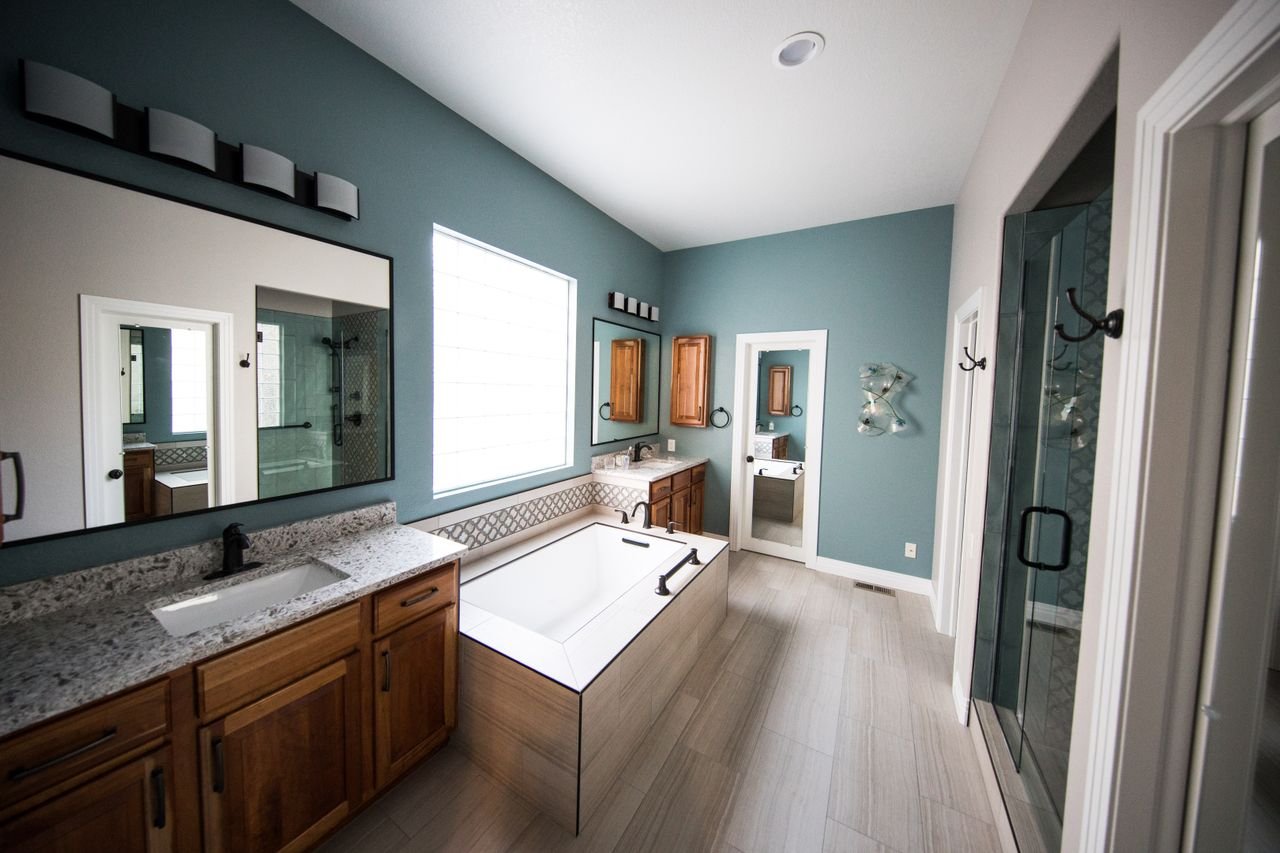
 Your bathroom gets used every single day, yet it’s often one of the last rooms you seriously evaluate until something starts leaking, cracking, or looking stuck in another decade. A remodel can improve comfort, resale appeal, storage, and even your morning routine. It can also go sideways fast if you rush the planning. Before you pick tile or dream about a rainfall showerhead, it helps to understand what actually makes a bathroom renovation successful.
Start With What Isn’t Working
Before you think about finishes, look at function. A good remodel solves problems, not just cosmetic boredom. Maybe your layout feels cramped, the lighting is harsh, or the vanity has roughly the storage capacity of a cereal box.
Write down what bothers you most:
– Poor ventilation
– Not enough storage
– Outdated tub or shower
– Hard-to-clean surfaces
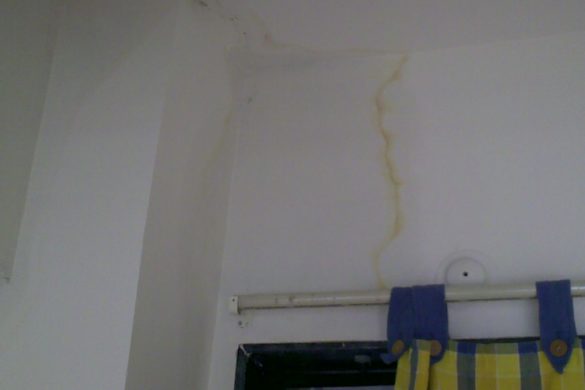
– Water damage or mold spots
– Bad lighting around the mirror
This list becomes your filter for every decision that follows. If you hate your tiny shower, spending extra on fancy drawer pulls won’t fix the real issue. Practical upgrades usually deliver the best long-term value. A bathroom should look good, yes, but it also needs to work when you’re half awake at 6:45 a.m. and searching for toothpaste like it vanished into another dimension.
Know When You Need a Professional
A fresh coat of paint is one thing. Moving plumbing lines, installing a walk-in shower, or rebuilding a wet area is a different league entirely. Bathrooms are high-risk zones because water can quietly destroy materials long before you notice a problem.
Working with a qualified bathroom remodeling contractor can help you handle design, installation, waterproofing, and project coordination with fewer costly mistakes. That matters when you’re dealing with shower systems, accessibility upgrades, or replacing an old tub with a more modern setup.
When evaluating a contractor, ask about:
– Licensing and insurance
– Experience with bathroom-specific renovations
– Product warranties
– Cleanup and debris removal
– Who handles subcontractors, if any
A strong contractor doesn’t just install materials. They help you spot red flags early and keep the project from turning into a construction-themed stress festival.
Set a Budget That Matches Reality
Bathroom remodeling costs can climb quickly because so many trades are involved. Plumbing, tile work, electrical updates, waterproofing, fixtures, and labor all stack up. Even a small room can carry a surprisingly large invoice.
Create your budget in layers:
– Must-haves: repairs, plumbing fixes, safety updates
– Nice-to-haves: upgraded tile, premium fixtures, heated floors
– Contingency fund: usually 10% to 20%
Focus on Layout Before Finishes
People often jump straight to tile color and faucet style, but layout drives the whole experience. If your bathroom flow is awkward, prettier materials won’t rescue it.
Think about how you use the room each day. Can the door open without hitting the vanity? Is there enough clearance in front of the toilet? Do you need one sink or two? Would a walk-in shower make better use of space than a bulky tub?
Good layout planning can improve:
– Traffic flow
– Storage access
– Visual openness
– Cleaning ease
– Accessibility for aging in place
In smaller bathrooms, even a few inches can change everything. Wall-mounted vanities, recessed shelving, and glass shower panels can make a tight room feel less boxed in.
Choose Materials That Can Handle Real Life
Bathrooms deal with steam, splashes, soap residue, heat changes, and nonstop use. Materials need to survive all of that without becoming high-maintenance drama queens.
For flooring, porcelain tile remains a favorite because it’s durable, water-resistant, and available in styles that mimic wood or stone. Quartz works well for countertops because it resists stains and doesn’t require sealing. For shower walls, large-format panels or tiles can reduce grout lines, which means less scrubbing later.
Look for materials that offer:
– Slip resistance
– Moisture resistance
– Easy cleaning
– Low grout maintenance
Matte finishes can hide water spots better than glossy ones. Lighter colors can make a room feel larger, while darker tones add contrast and depth when used carefully.
Don’t Ignore Lighting and Ventilation
A bathroom can have gorgeous tile and still feel terrible if the lighting is wrong. One overhead fixture in the center of the room often creates shadows that make shaving, makeup, and basic mirror use more annoying than necessary.
A better lighting plan usually includes layers:
– Ambient lighting for overall visibility
– Task lighting around the mirror
– Accent lighting for style or niches
– Night lighting for safer late-night use
Ventilation matters just as much. A quality exhaust fan helps control humidity, prevents mold growth, and protects paint, drywall, and trim. If your mirror fogs up like a movie scene every morning, your ventilation probably needs help.
Think About Storage Early
Bathroom clutter builds fast. Towels, hair tools, skincare, medicine, extra toilet paper, cleaning supplies, and random items you forgot you owned all need a place to go. Without built-in storage, even a new bathroom can feel messy within a week.
Plan storage around your actual habits, not fantasy minimalism. If you use a lot of products, make room for them. If multiple people share the bathroom, separate storage zones can prevent daily turf wars.
Useful storage upgrades include:
– Drawer organizers in the vanity
– Recessed medicine cabinets
– Linen towers
– Shower niches
– Floating shelves for accessible items
– Toe-kick drawers for hidden storage
Plan for the Long Term
A bathroom remodel should fit your life now and still make sense years from now. That could mean choosing durable finishes, adding accessibility features, or making choices that appeal to future buyers if you may sell.
Smart long-term upgrades often include walk-in showers, grab bar blocking behind walls, comfort-height toilets, wider entries, and low-threshold transitions. These features can improve safety and convenience without making the space look clinical.
If resale matters, keep the design cohesive with the rest of your home. A bathroom that feels wildly disconnected can stand out for the wrong reasons. Buyers tend to notice clean workmanship, smart storage, modern fixtures, and a space that feels easy to maintain.