 Your bathroom probably doesn’t get much attention until something starts failing, looking dated, or making your morning routine annoying. A remodel can fix all three, but it also comes with decisions that affect budget, resale value, and daily comfort. If you’re planning updates, it helps to know what actually matters before demolition starts. A smart bathroom remodel isn’t just about prettier tile. It’s about function, timing, and avoiding expensive mistakes.
Start With the Problems You Want to Solve
Before you pick paint colors or scroll through tile photos for two hours straight, get clear on what isn’t working. Maybe your shower feels cramped, your storage is weak, or the floor never quite looks clean because it’s seen too many years.
Write down the issues in plain terms. Think about how you use the space every day. If two people get ready at once, a single sink may be the real problem. If an older tub is hard to step into, accessibility may matter more than style.
This step keeps your project grounded. It also helps you explain your goals clearly when talking with contractors. Without that clarity, you can end up paying for trendy upgrades that look nice but don’t improve your actual routine.
Set a Budget That Includes Real-World Surprises
Bathroom remodels have a sneaky habit of uncovering hidden problems. Water damage behind walls, old plumbing, uneven subfloors, and outdated wiring can all appear once the work begins. Your budget needs room for that.
A good rule is to build in a contingency fund, often around 10 to 20 percent of the total project cost. That buffer can save you from panic when the unexpected shows up, which it often does with the confidence of a surprise pop quiz.
Also, separate needs from wants. Waterproofing, ventilation, and quality installation deserve priority over luxury extras. Heated floors are great. A shower that drains properly is greater.
When you plan with realistic numbers, you’re more likely to finish the project without cutting corners halfway through.
Know Which Upgrades Add Everyday Value
Some bathroom features look impressive in photos but don’t improve much in daily life. Others quietly make the room easier to use, clean, and enjoy. Focus on upgrades that do both when possible.
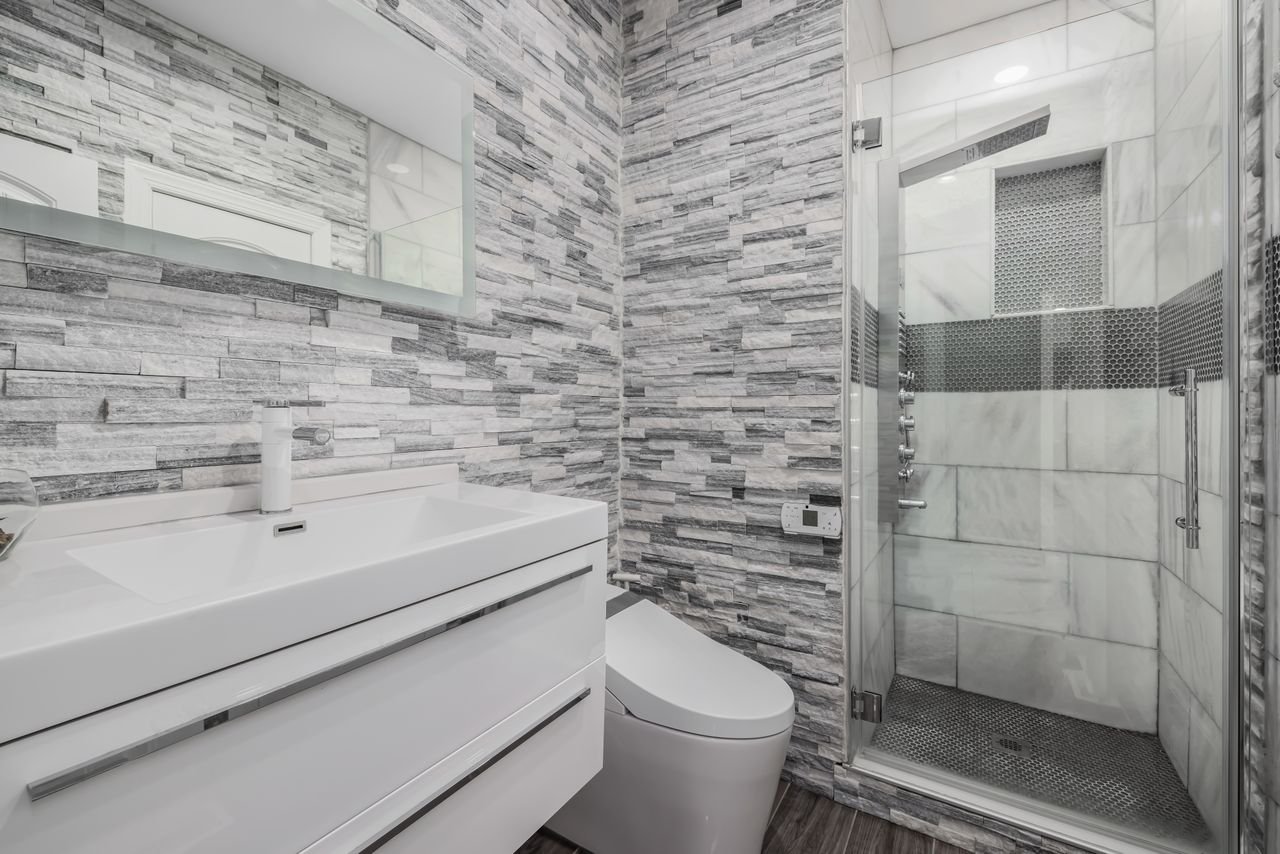
Walk-in showers are popular because they can make the room feel more open and accessible. Better lighting around the vanity helps with shaving, makeup, and just looking like you slept. Storage built into vanities or shower niches reduces clutter fast.
Materials matter too. Quartz counters, porcelain tile, and moisture-resistant paint tend to hold up well. Good ventilation also deserves attention, since it helps control mold, peeling paint, and that humid-air-stuck-in-place feeling.
A strong remodel improves comfort now while also making the home more attractive if you sell later. That balance usually beats chasing every new trend.
Choose Layout Changes Carefully
Moving plumbing fixtures can dramatically change your bathroom, but it can also drive up costs. Relocating a toilet, shower, or tub usually means more labor, more materials, and more chances for complications inside the walls and floor.
Sometimes a layout change is worth it. If the current setup wastes space or creates awkward movement, a smarter arrangement can make the room feel much larger. In small bathrooms, even shifting a vanity size or replacing a swinging door can improve flow.
Still, don’t assume bigger changes are automatically better. Keeping major plumbing in roughly the same place can control costs while still allowing a major visual upgrade.
The best layout is the one that supports how you actually move through the room, not one that only looks polished in a showroom photo.
Hire the Right Bathroom Remodeler for the Job
Choosing a contractor is one of the biggest decisions in the process. You’re not just hiring labor. You’re trusting someone to work inside one of the most water-sensitive rooms in your house, where bad installation can create expensive trouble later.
When evaluating a bathroom remodeler, ask about licensing, insurance, project timelines, warranties, and how they handle structural or plumbing surprises. Review photos of completed bathrooms, but also pay attention to communication. Fast replies and clear answers matter.
If you’re in Springfield, local experience can be especially useful. Housing styles, common plumbing setups, and permit expectations can vary by area. A contractor who understands the local market may spot issues earlier and keep the process smoother.
The cheapest quote rarely tells the full story. Skill, organization, and accountability tend to save more money than bargain pricing.
Think About Moisture, Maintenance, and Longevity
Bathrooms deal with constant humidity, daily traffic, and frequent cleaning. That means your material choices need to perform, not just look sharp for the first six weeks.
Natural stone can be beautiful, but some types need regular sealing and more careful upkeep. Glossy tile may reflect light well, though it can show water spots faster. Grout color affects maintenance more than people expect. Light grout often looks fresh at first, then turns into a part-time job.
You should also ask about waterproofing systems behind tile and around showers. What’s under the surface matters as much as what you can see. Proper ventilation, sealed joints, and quality installation protect the room over time.
A bathroom that’s easy to maintain tends to stay attractive longer. That matters whether you plan to live there for ten years or list the house next spring.
Prepare for the Disruption Before Work Begins
Even a relatively quick bathroom remodel can interrupt your routine more than you expect. Water may be shut off at points. Noise starts early. Dust has a way of traveling like it pays rent.
If the bathroom being remodeled is your only full bath, make a realistic backup plan. That could mean coordinating with family, using another space in the home, or adjusting your schedule during key phases of the project.
You’ll also want to clear out cabinets, mirrors, rugs, and personal items before work starts. Take photos of the space if needed, especially if any surrounding areas need protection or access.
Good preparation reduces stress for you and helps the crew work faster. Remodels are disruptive by nature, but a little planning can keep the inconvenience from taking over your whole household.
Don’t Overlook Permits, Codes, and Resale Impact
Bathroom remodeling isn’t just a design project. In many cases, it also involves building codes, permits, inspections, and specific requirements for electrical, plumbing, and ventilation work.
Skipping those details can create serious problems later, especially if you sell your home. Buyers and inspectors tend to notice poor workmanship, missing permits, or DIY shortcuts that looked fine until someone asked questions.
You don’t need every upgrade to appeal to every future buyer. Still, neutral finishes, solid fixtures, and quality craftsmanship usually carry broad appeal. A remodel with universal functionality often helps more than highly personalized design choices.
If you treat the project as both a lifestyle upgrade and a property decision, you’ll make stronger choices. A bathroom remodel should feel better to use now and make practical sense later.