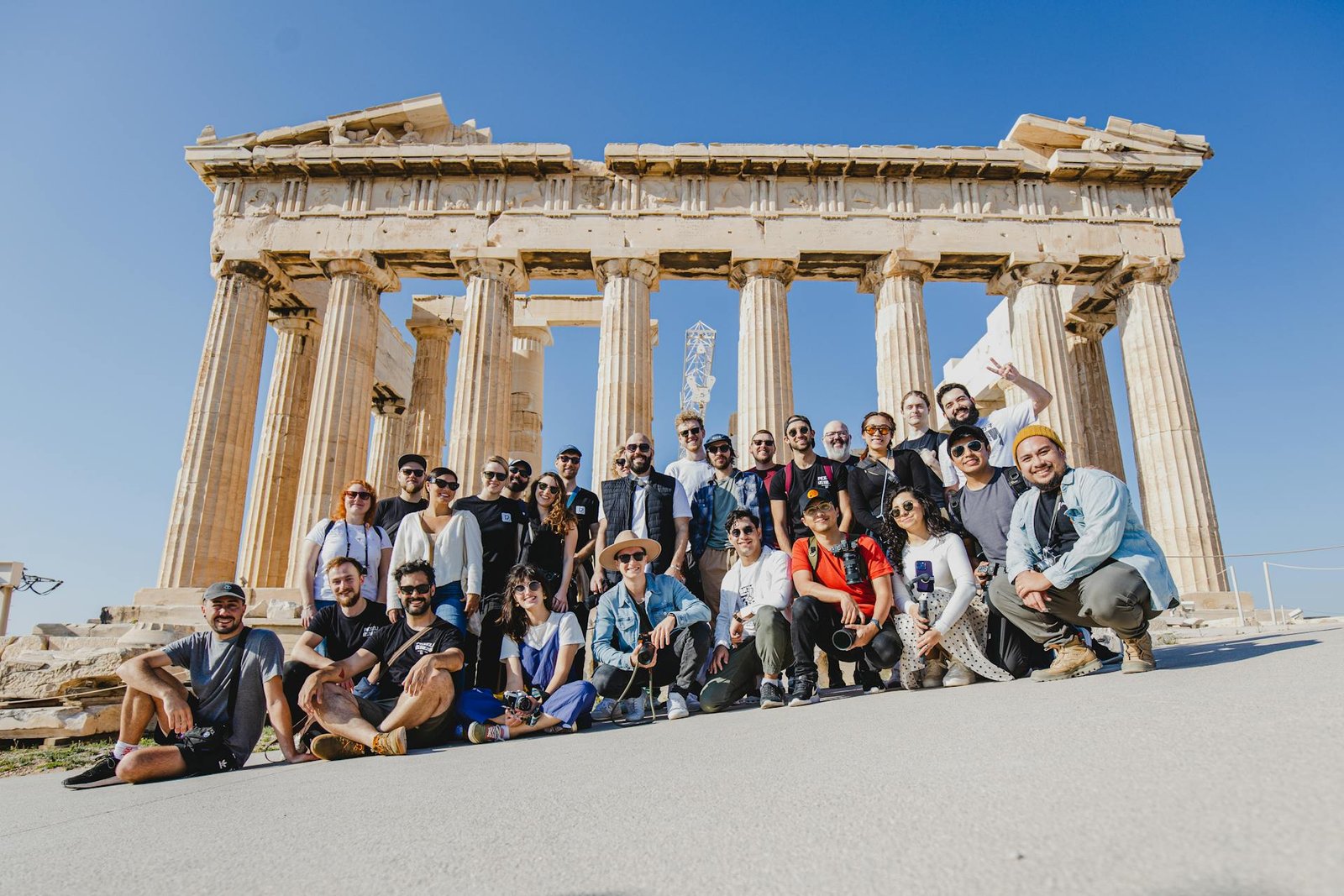
 Adult friendships typically develop slowly through circumstances like sharing offices or having mutual friends with years of non-intense interaction. However, this is not the case for group expeditions. You take about twelve strangers and put them on a trail in a country with an unfamiliar language, and boom. Something just clicks faster than normal. The masks come off rapidly. The connections are made stronger. That’s why individuals come back from such trips and claim they made friends for life in ten days.
The chemistry of shared adversity
Psychologists refer to it as shared vulnerability – the experience of going through a challenge with someone else, particularly if that challenge involved a certain amount of discomfort. This context does much of the work we usually rely on plays and emotions to achieve. The challenge doesn’t need to be excessively difficult. It just needs to be real enough that people have to drop some of their usual social personas. This underlies why soft adventure travel has consistently proven to generate enduring connections between people as well.
Group size is also crucial. We know that humans can’t really have more than 150 meaningful social relationships, and that our closest friends count is smaller – around five to fifteen people. Well-designed expeditions tend to fall within those numbers on purpose. They’re large enough to offer some degree of variety but small enough that no one can turn invisible in the crowd. Most adventures operate with about 8-12 travelers, give or take. It’s not an accident.
Why niche groups go deeper
A group of random travelers is different from a group of individuals who already share a common identity or interest. The latter will have a shorter initial connection phase, because people already know they’ve got something in common before day one.
This is what makes special-interest groups, or travel groups for women, particularly appealing. They create a very specific type of social permission – discussions that would take months to get to in a mixed group or a new kind of setting are happening by day two. Topics women mostly self-edit when around strangers – ambitions, relationships, fear, identity – are laid on the table quicker, because the foundation of mutual commonality is given. The group isn’t just a group. It’s a container for a different type of honesty.
The same goes for any interest-based travel group – whether it’s a photography tour or a culinary adventure. Shared curiosity is a social accelerant in itself.
The role of a good facilitator
If group dynamics are not properly dealt with, they can turn into exclusive groups where extroverted individuals take the lead, introverted individuals remain in the background, and the same few people monopolize all interactions. A good guide does more than coordinate activities – they also oversee the social dynamics of the group. They encourage interactions between different group members. They organize activities that naturally involve less talkative group members in the discussion.
This helps create an environment of “psychological safety”, where individuals feel comfortable enough to be open and genuine rather than superficial. This is often missing in many social interactions as an adult. Whether it’s work-related events, networking, or casual get-togethers, people often feel the need to put on a show. This is not necessary on a well-organized trip.
A structural answer to the loneliness problem
About 50% of adults claim that they feel lonely, as reported by the American Psychological Association – an amount that has caused people to seriously question how the contemporary world has destroyed the systems that used to create a sense of community. We have for the most part left behind the time of neighborhoods, local organizations, and of long-term work environments, where friendships of opportunity could form naturally over time.
Group outings will not replace these systems, but they will offer something that those systems often couldn’t: intentional closeness with others, in a similar point in time such that that closeness is desired by all involved. It’s a relatively rare thing. Most adults don’t find themselves in a room filled with people who have all chosen to be there, participating in something meaningful, without any plans to leave for the next ten days.
The “solo-but-together” travel trend embodies this desire directly. People are not going on group excursions because they are unable to travel alone. They sign up because they will be getting the social experience that solo travel just cannot provide.
The afterglow is real
There is something that occurs after the journey is over that should not be underestimated. Memories of shared high-intensity experiences stay with you much longer than regular social encounters. That group chat that comes together on the final evening? It’s not just a nicety, it’s often a new community. Reunion trips are planned. People travel thousands of miles to visit folks they barely knew a few weeks before.
This afterglow is a byproduct of the memories themselves. Experiences with novelty, physicality, and emotional resonance get encoded differently. The relationships that arise tend to stick better.
Group trips function because they are the way we biologically are supposed to build a tribe – through shared movement, shared risk, and shared stories. Nowadays, it’s just a bit easier to find your people.