Navigating the aftermath of a rideshare accident can be a uniquely complex and stressful experience. Unlike traditional car crashes, determining who is responsible in an Uber accident involves a layered analysis of liability that spans multiple potential parties. The question of responsibility depends heavily on the specific circumstances of the collision, the driver’s status at the time, and the applicable insurance policies. Understanding these distinctions is crucial for anyone injured in such an incident to ensure they pursue compensation from the correct entities.
This article delves into understanding liability in Uber accidents.
The Critical Factor: The Driver’s App Status
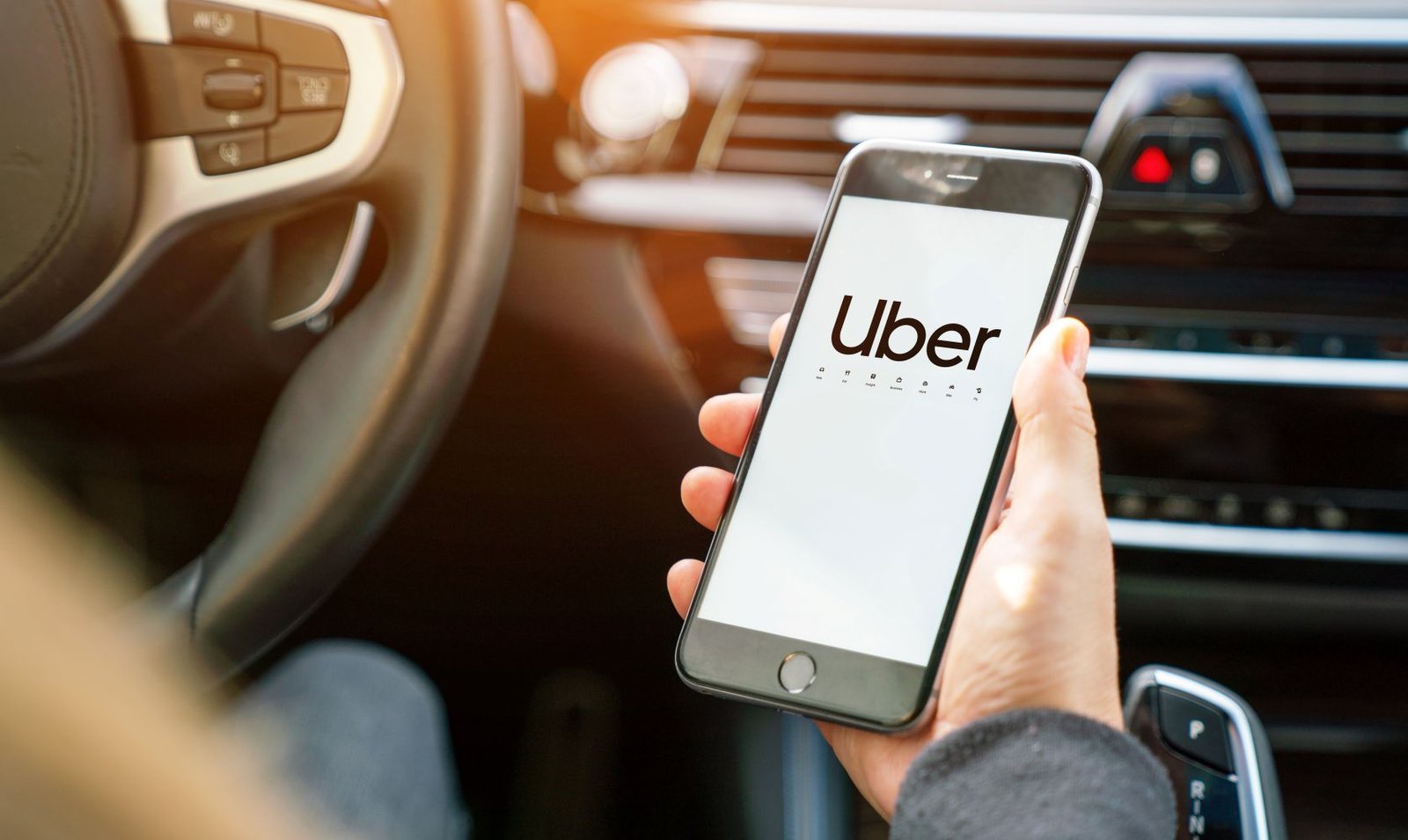
Uber’s insurance framework, which dictates liability, is entirely dependent on what the driver was doing with the app at the exact moment of the accident. This can create three distinct liability phases, such as the following:
- Phase 1: Driver is offline or the app is off. When the Uber driver isn’t logged into the app and is using their vehicle for personal reasons, Uber accepts no liability. In this scenario, the driver’s personal auto insurance policy is the primary source of coverage for any damages or injuries they cause.
- Phase 2: Driver is logged in and available for a ride. Once the driver activates the app to accept trip requests, a contingent coverage period begins. Uber provides third-party liability coverage, but this is limited. This policy is designed to cover injuries to other parties if the driver’s personal insurance denies coverage or is insufficient. It doesn’t typically cover damage to the driver’s own vehicle.
- Phase 3: Driver is on the way to pick up a passenger or has a passenger in the vehicle. This period triggers Uber’s most robust insurance policy. From the moment a driver accepts a trip request until the passenger exits the vehicle at the final destination, Uber provides substantial commercial liability coverage. This includes both bodily injury and property damage liability for third parties.
Given the intricate web of insurance policies, corporate legal teams, and potential coverage denials, navigating an Uber accident claim alone is highly inadvisable. A skilled personal injury attorney understands how to investigate the driver’s precise app status, identify all potentially liable parties, and negotiate with multiple insurance companies. They can gather crucial evidence, such as data from the Uber app, to establish liability and ensure that victims are not unfairly blamed. Furthermore, an attorney can accurately value a claim to account for medical expenses, lost wages, pain and suffering, and future care needs, fighting to secure a full and fair settlement or pursuing litigation if necessary.
Therefore, for those seeking comprehensive guidance in locations like Utah, consulting a personal injury law firm attorney in Utah can provide essential clarity on state-specific laws and insurance complexities.
Identifying Potentially Liable Parties
Beyond the Uber driver and the company’s insurance, other parties may share responsibility depending on the accident’s cause. The potentially liable parties include:
The Uber Driver
The Uber driver remains a directly liable party for their own negligent operation of the vehicle, irrespective of their app status. Actions like distracted or reckless driving constitute personal fault. While Uber’s insurance may provide primary coverage during active trips, the driver’s personal auto insurance policy is typically the first line of financial responsibility when the app is off or they’re merely available, making them individually accountable for damages they cause.
Uber Technologies Inc.
Uber can be held legally responsible through vicarious liability when a driver causes an accident while actively engaged on a trip, essentially acting as the company’s agent. Separately, Uber may be held directly liable for its own corporate negligence. This includes failures in its safety protocols, such as inadequately vetting drivers with prior dangerous violations or negligently maintaining its software, creating separate grounds for a claim against the company itself.
The Other Driver
A common scenario involves another motorist causing a collision with the Uber vehicle. If this third party is found negligent, for example, by running a stop sign or driving under the influence, they bear primary fault. Consequently, the at-fault driver’s personal automobile liability insurance becomes the principal source for compensating injured victims. Their policy limits and the extent of their negligence will critically determine the recovery available to all parties involved.
Other Entities
Liability may extend beyond immediate drivers. Municipalities or state transportation departments can be responsible for accidents caused by unrepaired potholes, missing signage, or faulty traffic signals or conditions they negligently failed to address. Similarly, automotive or parts manufacturers may be liable under product liability laws if a defect, such as faulty brakes or a defective tire, directly contributed to or caused the crash, introducing additional defendants.
The Role of Insurance and Overcoming Coverage Gaps

Insurance is a practical mechanism for recovering compensation. However, significant gaps and disputes often arise. A driver’s personal auto insurance policy may contain a “livery exclusion,” which denies coverage if the vehicle was being used for a ride-for-hire service at the time of the accident. This can leave injured parties struggling between a denied personal claim and Uber’s contingent coverage.
Even when Uber’s policy applies, the company and its insurers will vigorously investigate to minimize their payout, often arguing the driver was at a different app stage or that another party was primarily at fault.
Final Thoughts
Determining responsibility in an Uber accident is a multi-faceted legal challenge. The interplay between the driver’s status, corporate insurance layers, and potential third-party fault requires a meticulous approach. By keeping the information mentioned above in mind, victims can protect their rights and secure compensation necessary for recovery.