 Ready to start marketing your company with your vehicles?
Vehicle wraps for fleets have become one of the most lucrative advertising strategies that businesses can implement. Without the right information, you can quickly make costly mistakes that yield no returns.
Below, we dive into some details about fleet wraps services that you should know before customizing your vehicles.
In this article
- Why Vehicle Wraps are Worthwhile
- Key Items to Evaluate Before Getting Started
- Choosing Materials and Providers
- Design Strategies that Will Work
Why Vehicle Wraps Are Worthwhile
A major benefit of vehicle graphics compared to other types of advertising is that they cost very little per impression.
Vehicle advertising regularly clocks daily impressions of 30,000–70,000. That means wraps can get you millions of views per year from a single vehicle.
Pause and think about that for a moment…
Every day your vehicles are on the road, you’re advertising your business.
A billboard ad comes down when the contract ends. Professional fleet wrap services continue working non-stop for years if maintained correctly.
Plus, vehicle graphics have higher engagement than static ads.
Vehicle advertising has been shown to have a 97% message recall rate. To put that into perspective, that’s almost five times greater than traditional stationary signs at only 19%.
Wraps are great investments for your business because they work while you work.
Key Items to Evaluate Before Getting Started
The following three items should be checked off your list before you begin the customization process.
Keep reading to learn what they are and why they matter.
Not sure your vehicles are ready?
Your provider should inspect every vehicle before installation. But it doesn’t hurt to know what to look for yourself.
Vehicles’ Conditions
Improperly cleaned and prepared vehicles can cause headaches down the road.
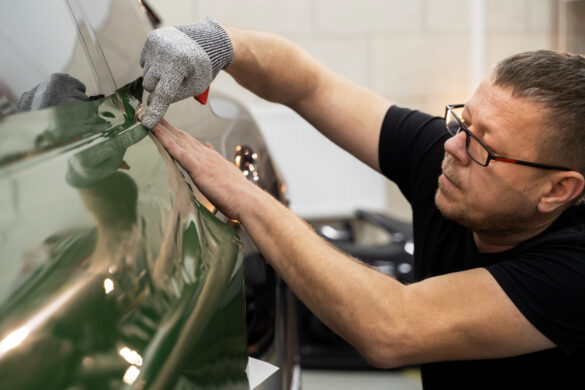
You want the wrap to adhere to the vehicle smoothly without bubbling or lifting at the edges.
Example of edges lifting:
Clean vehicles with no uneven surfaces help ensure a high-quality finished product.
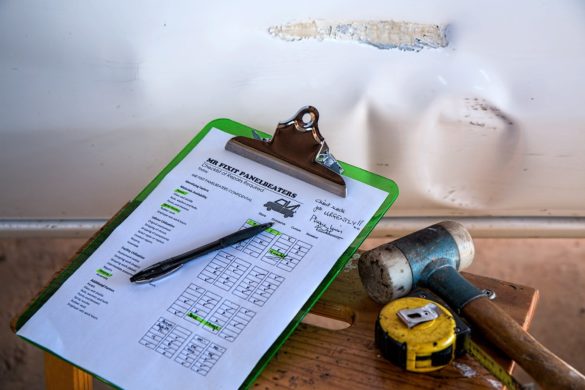
Check your vehicles for:
- Surface rust
- Scratches
- Old adhesive residue
- Damaged paint
Anything that prevents the wrap material from sticking securely will need repaired before the install.
Fleet Size
How big is your fleet? Do you have multiple vehicles that will need wraps?
Determining your fleet size is important when it comes to consistency and budgeting.
What vehicles do you have?
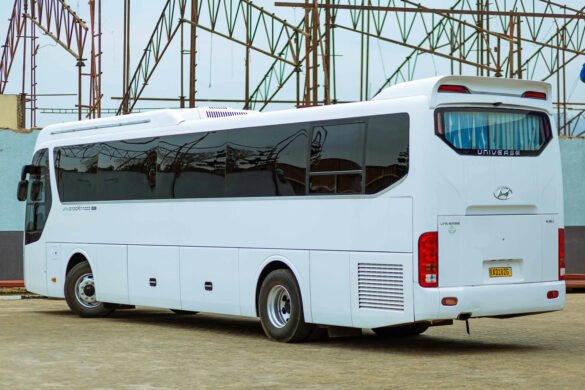
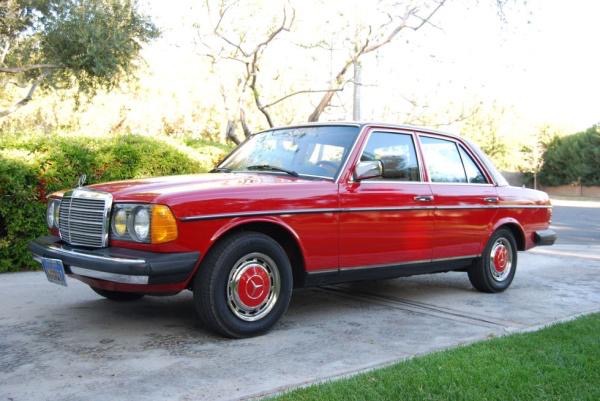
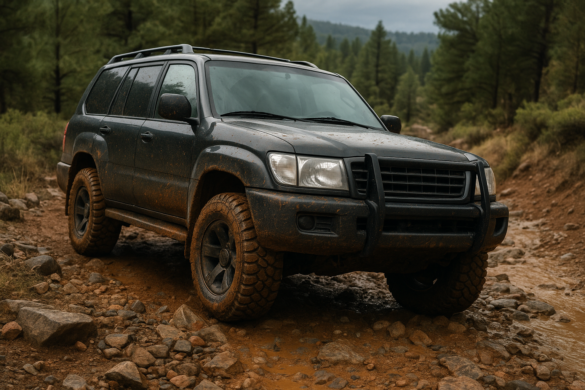
Different vehicles have different curves and surface areas.
A custom graphic that looks great on your box truck may be wasted on your small sedan.
Knowing what vehicles you have will help your provider create uniform designs that work with the body style.
Budget
When investing in your business, it’s always good to know what you’re working with budget-wise.
Full vehicle wraps range between $2,500 to $5,000 USD per vehicle. Partial wraps can start as low as $1,300.
Depending on the size of your fleet and frequency of your advertising needs, wraps can pay for themselves over time.
High-quality wraps last an average of 5–7 years with proper maintenance.
Once you factor in the life of a wrap, your cost per impression becomes very low.
Choosing Materials and Providers
Not all materials and installers are created equal.
There are questions you should ask before hiring a provider:
- Do they use high-quality materials that have warranties?
- Can they provide references from other fleets?
- How long have they been in business?
Here’s what you should know:
If you want your investment to last, opt for a wrap company that uses high-grade materials.
Materials matter because:
Cheap wrap materials will fade over time, peel faster, and may damage your paint job when removed.
Types of Vinyl
Vinyl wraps uses materials made by 3M, Avery Dennison, and Oracal.
Not all materials are made for every application though.
For long-lasting wraps on complex curved surfaces, you want a material that uses cast vinyl. Look for UV inhibitors to prevent color degradation. Air-release technology will help your installer avoid bubbles during application.
Budget is always a consideration when selecting materials.
Keep in mind that “cheap” rolls might cost you more money over time.
Design Strategies that Will Work
Unlike other types of advertising, your vehicles aren’t static.
People view your vehicles for a few seconds then they’re gone. If your graphics don’t make an impact immediately, your message is lost.
Here are some design tips to get the most out of your wraps.
Keep it Simple
Believe it or not, less is more when it comes to vehicle graphics.
A simplistic design with one strong call-to-action works best.
Make sure to include:
- Company name & logo
- Easily readable phone number or website
- A clear call-to-action
Don’t feel the need to list every service your company provides.
These vehicles will be driving around at highway speeds. If your graphics say too much, they’ll never be able to read it.
Colors Matter
You want to grab attention when possible.
Using contrasting colors makes your graphics easy to read while driving.
Dark-colored fonts on lighter backgrounds or light-colored fonts on dark backgrounds help with readability.
Your vehicle’s color should be taken into consideration when picking colors as well.
Your wrap installer can use the original paint color to your advantage when designing your wraps.
A solid color wrap or even a partial wrap can utilize the original vehicle color.
Wrap Your Whole Fleet
A consistent look and feel across all of your vehicles is important.
You don’t need to wrap every vehicle exactly the same.
Your provider should customize your graphics to fit the size and shape of the vehicle.
But from vehicle to vehicle, you should have consistent colors/fonts used. Along with logo placement and branding tone.
Consistency builds:
- Brand awareness
- Credibility
- Trust
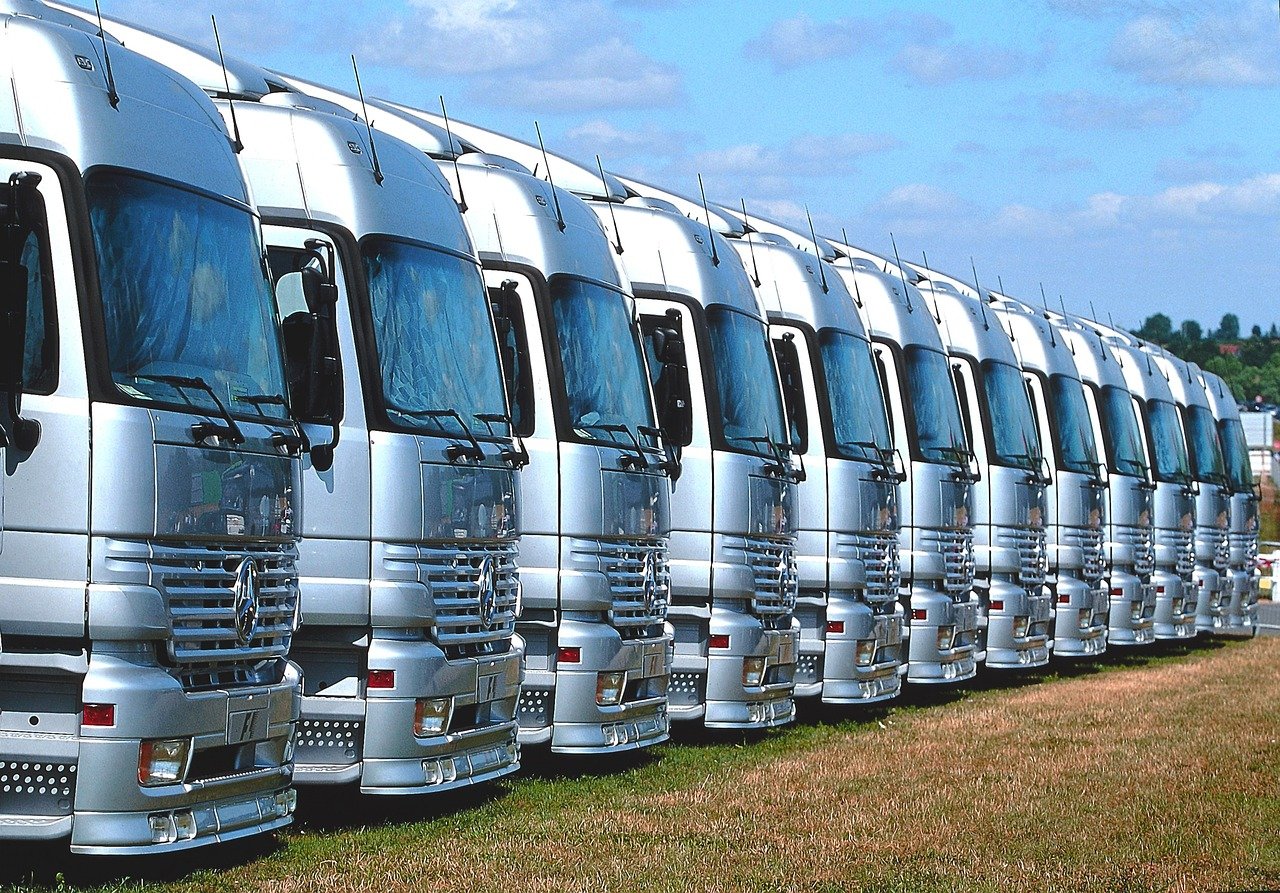
When three of your vehicles are traveling down the highway together, that creates a striking impression on potential customers.
Conclusion
Putting wraps on your business vehicles has the potential to offer massive returns.
But only if you know what you’re doing.
Here’s a quick recap of what you should do before investing in your next fleet wrap project.
- Evaluate vehicle conditions
- Know your fleet size and budget
- Choose quality materials
- Find an experienced provider
- Keep your designs simple
Taking your company vehicles to the next level with wraps is a great way to spread the word about your business.
Not only will they be advertising while you’re working, they’ll also continue to do so for years to come if maintained.
Your vehicles can be your best marketers.