Ever been offered a deal so good it felt rude to say no?
That’s how most bulk buying decisions begin. A supplier quotes a lower per unit price, finance see the savings, and away goes the purchase order without anyone thinking any tougher questions should be asked.
Here’s the problem:
The easiest cost of the deal to visualize is the discount. Storage, damage, opportunity cost of cash, product never used show up months later, well after the invoice has been paid.
Take furniture for example. Day room chairs are awkward, costly to store and wrong specification can end up in a corridor collecting dust for decades.
So let’s look at what actually goes wrong…
What’s covered below:
- Why Volume Discounts Are So Misleading
- The 5 Bulk Buying Mistakes That Cost The Most
- How To Buy At Scale Without The Regret
Why That Volume Discount Looks Better Than It Is
Discount is a one-time savings. Owning the cost of what you purchased continues every day.
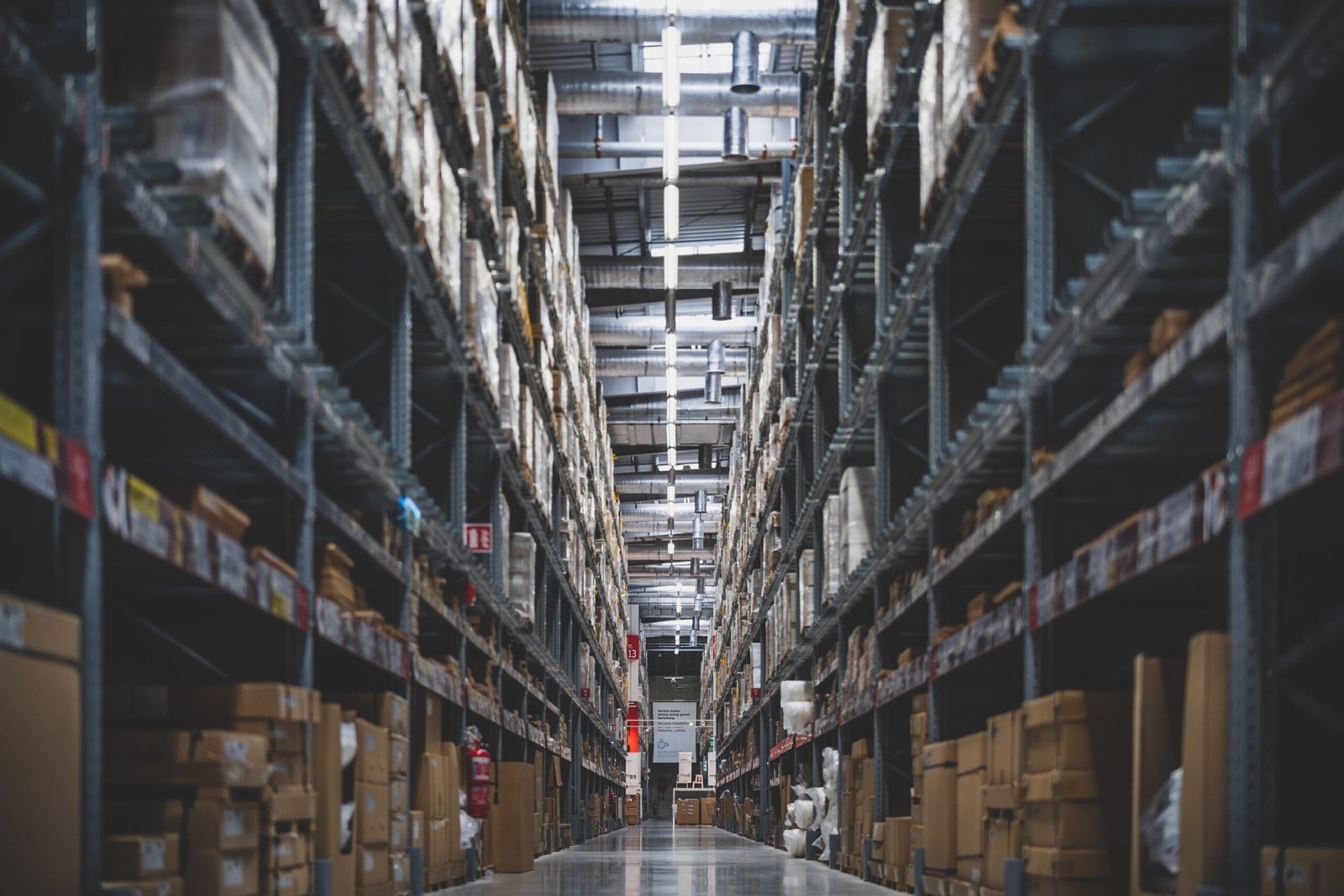
That’s the part that many buyers overlook. According to the Institute for Supply Management, inventory carrying costs equal 20% to 30% per year of average inventory value. That means £40,000 worth of furniture sitting in your store room can COST you £8,000 to £12,000 per year in capital, space, insurance and damages.
Suddenly that 15% discount does not look quite so generous.
This starts to get complicated in healthcare & care environments where often one PO will include waiting areas, hallways and patient rooms all at once. Someone sourcing well-built hospital ward seats alongside day room chairs is essentially purchasing two completely different products for two vastly different uses — weight ratings, upholstery, infection control needs are just a few variables that will change. Group them together into one single order just to reach a price break, and half of your order will likely end up in the incorrect space being used improperly.
Bulk buying works. Bulk buying without a plan does not.
Mistake #1: Treating Unit Price As The Whole Price
Here’s something most purchasing teams never calculate…
The quoted unit price is just the tip of the cost iceberg for that item. Delivery, assembly, storage, replacement and disposal represent the hidden costs.
Buy 100 cheap chairs that only last three years. Buy 40 nicer chairs that will last eight years. Crunch the numbers over the entire life cycle and the “costly” choice often comes out WAY ahead.
That is why smart buyers look at cost per year of use instead of cost per unit. It’s a subtle shift in mindset that changes which supplier you’ll choose.
Mistake #2: Buying One Specification For Every Space
This one causes more waste than anything else on the list.
Rooms aren’t all the same. A day room for residents who have limited mobility requires a very different seat from one in a visitors waiting area or staff break room. But purchasing departments commonly spec one model in one size because one big ticket order means the lowest price.
What that actually creates:
- Chairs that are too low for people who struggle to stand
- Fabrics that fail the first time they are properly cleaned
- Seats that block corridors because they were never measured
- Stock that gets shuffled between sites and eventually written off
The discount saved 12%. The mismatched furniture wasted 40%. That is not a win.
Mistake #3: Assuming Bigger Orders Always Mean Bigger Savings
Volume discounts are usually thought of as nonlinear. Buy twice as much, pay half as much.
The world is much less curved. On the procurement side, discounts start at only 5-10% when doubling order quantities. And the marginal benefits from that decrease rapidly thereafter.
Read that again.
Doubling an order may reduce your unit price by 5-10%, but doubles your storage cost, the cash tied up and the risk that you’ve guessed the specification wrong. Especially true of day room chairs. These are heavy and cumbersome to move, so the maths doesn’t work long before you hit the discount tiers.
Every deal has a tipping point beyond which each additional unit loses money instead of saving it.
Mistake #4: Forgetting That Stock Eats Cash
Here’s the biggest one…
Every pound you spend on a bulk order is one pound you can’t spend anywhere else. On staff. Repairs. Equipment. Sure the chairs may be great value, but if you needed that money for something else during month four, then great value turns into a burden.
Volume is why suppliers offer relentless pressure on cash flow. Risk is transferred from supplier to buyer up front. Supplier has certainty and an empty warehouse. Buyer gets pile of boxes and smaller bank account.
That isn’t inherently a bad trade. It just has to be an intentional one.
Mistake #5: Skipping The Sample To Save Time
No one likes to be the party who stalls a deal when everybody else has agreed. Ordering 80 chairs without first sitting in one to test it out is just asking for bad odds.
Samples reveal what a product page never will:
- How the seat feels after twenty minutes, not twenty seconds
- Whether the arms actually help people stand up
- How the fabric reacts to proper cleaning products
- Whether the frame flexes under real weight
A sample costs a week. Missing it costs a budget cycle. When bulk day room chairs are on the order, that week is money in the bank.
How To Buy At Scale Without The Regret
None of this is saying you shouldn’t buy in bulk. Bulk buying where it makes sense can save you money, reduce admin and fix your pricing before increases happen.
Here’s how to get it right:
- Audit first, then order. Do a seat count by room based on how the space will be used, and cross-reference with the spec.
- Negotiate in phases. If you’re ordering in bulk, break the contract into phases. Get the price on the total volume you’ll buy, but receive the product in stages.
- Ask what the discount is replacing. When suppliers reduce prices by 20%, ask where that comes from. Warranty, delivery or after-sales support may be getting cut to subsidize the discount.
- Model whole life. Look at total cost over a five to ten-year period including replacements, maintenance and disposal costs.
- Test one first. Always. No exceptions.
Favorite underrated tool: Phased ordering. Allows you to get the price advantage of a large order without the storage cost or the cash flow hit, while also allowing flexibility to tweak the spec if something isn’t working.
The Bottom Line
Volume discounts are a pricing tool, not a strategy.
They reward those businesses that KNOW what they want, how much they want and WHY they want it. They penalise those who let the discount determine the order. That is why two completely different organisations can order the exact same product from the same supplier, yet have vastly different outcomes.
Before signing off the next large order, ask three quick questions:
- Is this the right specification for every space it is going into?
- What does holding this stock cost per month?
- What happens if the requirement changes in six months?
Answer them honestly and the discount becomes what it was meant to be from the start: a reward for making a good choice, not the motivation behind a bad one.