Managing construction projects across the Carolinas requires a clear understanding of crane rental rates and pricing, particularly for commercial or industrial builds along the I-77 corridor, including Charlotte, Winston-Salem, and Columbia, SC. Crane rental rates and pricing are influenced by numerous factors, including equipment size and operator requirements, site conditions, and transportation logistics. For construction project managers, general contractors, and facility managers, accurate budgeting for crane operations is essential to keeping projects on schedule and within financial plans.
Parker’s Crane Service, a family-owned business with over 40 years of experience, provides comprehensive crane rental solutions and industry expertise to clients throughout the Carolinas. Their detailed guidance on crane rental rates and pricing helps professionals navigate the complexities of equipment selection, operator staffing, and regulatory compliance while avoiding common budgeting pitfalls.
Factors Influencing Crane Rental Rates
Equipment Size and Type
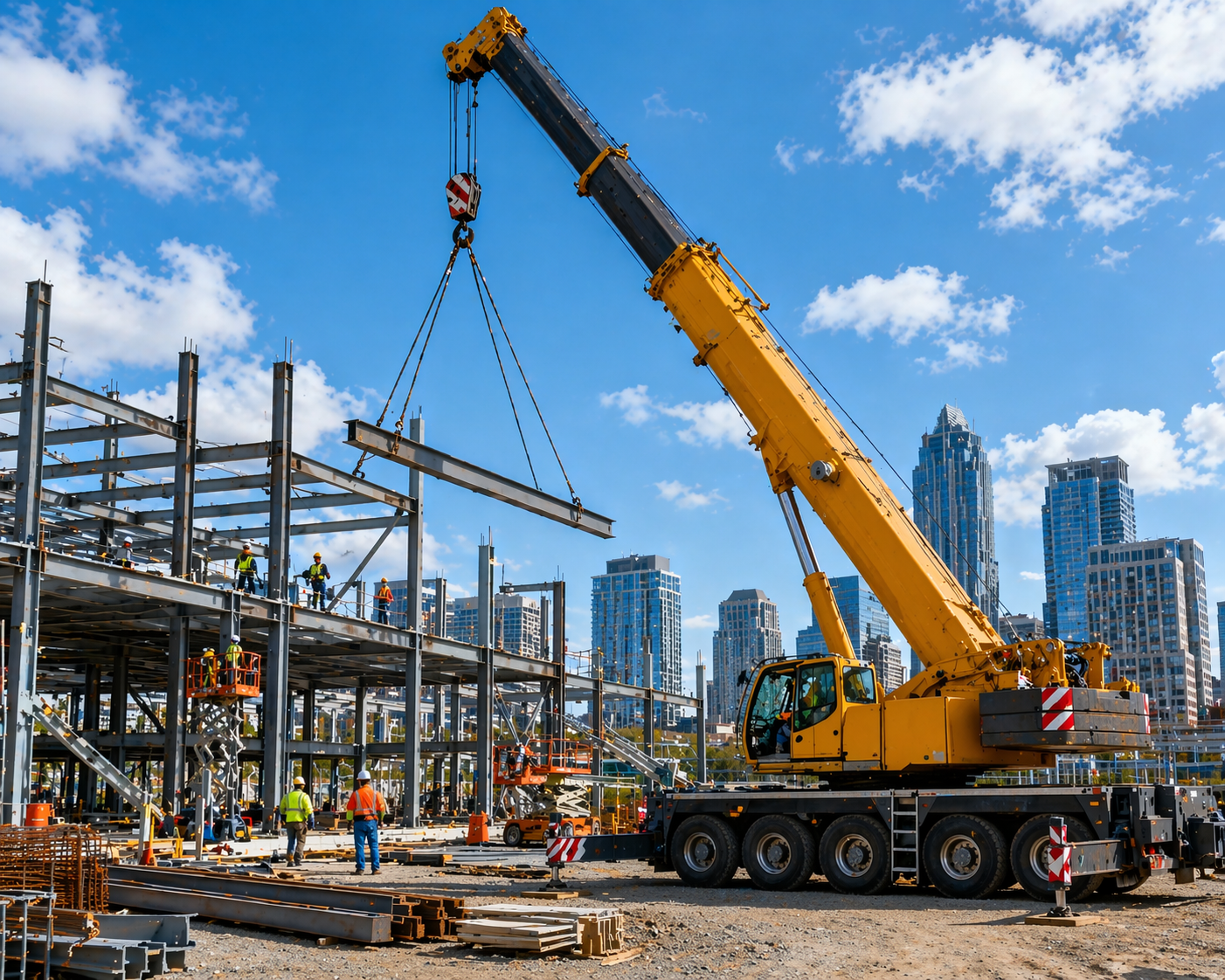
The crane’s size and lifting capacity are primary determinants of rental costs. Larger cranes capable of lifting heavy structural components or large machinery typically charge higher daily rates. For example, in Charlotte, renting a mobile crane suitable for structural steel erection may range between $1,200 and $2,500 per day, depending on capacity and job specifications. Understanding these rates is crucial for calculating the total cost of crane rentals for a project. Knowing the project’s lift requirements upfront allows project managers to select equipment that balances efficiency with cost-effectiveness.
Rental Duration
Rental duration significantly impacts overall cost. Many providers, including Parker’s Crane Service, offer discounted weekly or monthly rates compared to daily rentals. Longer-term projects often benefit from extended rental agreements, which can lower per-day expenses and provide financial predictability. Conversely, short-term or intermittent lifts may be better served by daily rentals, especially for projects with unpredictable schedules.
Operator and Crew Requirements
Crane rentals often do not include certified operators. Hiring NCCCO- or CCO-certified personnel is critical for compliance with OSHA safety regulations. Additional crew members, such as riggers and signal persons, are typically required for lifts that require precise coordination. Operator and crew costs vary based on experience and location, and these fees must be factored into the overall project budget.
Transportation and Mobilization
Transporting cranes to and from a job site involves logistical planning and associated fees. Factors affecting transportation costs include crane size, road restrictions, travel distance, and site access limitations. Oversized load permits, rigging for safe mobilization, and potential staging area requirements can add to project expenses. Parker’s Crane Service assists clients with these logistics, helping to minimize downtime and ensure cranes are positioned efficiently.
Site Conditions
Job site characteristics, including soil stability, space constraints, and required lift heights, influence both the type of crane needed and the final rental cost. Urban sites in Charlotte or Winston-Salem may require additional planning for street closures or coordination with municipal authorities. Parker’s Crane Service works closely with project managers to evaluate site conditions and recommend the most suitable crane and setup approach, ensuring both safety and operational efficiency.
Regional Differences in Crane Rental Pricing
Crane rental costs vary across the Carolinas due to local market conditions, labor availability, and regulatory considerations. Mobile crane rentals in Raleigh can range from $550 to $1,900 per day, while rates in Charlotte and Columbia may trend higher due to regional demand and project complexity. Understanding these variations allows project managers to forecast budgets more accurately and anticipate potential surcharges for transportation or labor across different cities.
Budgeting Advice for First-Time Crane Renters
For construction teams new to crane rentals, budgeting effectively requires careful planning. Begin by clearly defining project requirements, including lift weights, heights, and timeline. Obtain detailed quotes that incorporate all costs—operator fees, transportation, rigging, permits, and site prep. Plan for contingencies, such as weather delays or extended lift schedules, which may increase rental duration or labor needs. Consulting an experienced provider like Parker’s Crane Service ensures quotes reflect all potential costs while identifying opportunities for efficiency. First-time renters benefit from professional guidance on selecting the right crane size, determining crew composition, and understanding compliance requirements for OSHA and local permitting.
Additional Considerations for Crane Rentals
Beyond base rental rates, project managers should anticipate additional factors that can affect cost and execution. Specialized lifting attachments, extended working hours, and unique rigging requirements may increase project expenses. Weather in the Carolinas, including heavy rain, seasonal storms, and high winds, can delay lifts, requiring flexible rental agreements and potentially incurring overtime fees. Urban sites often necessitate permit coordination or restricted access management. Parker’s Crane Service supports clients with these logistical challenges, providing NCCCO-certified operators, riggers, and signal persons to ensure compliance and efficient lift planning.
How Parker’s Crane Service Supports Projects
With over four decades of experience, Parker’s Crane Service combines family-owned values with industry expertise. Their team assists with equipment selection, certified personnel, transportation logistics, and site evaluation. By partnering with Parker’s Crane Service, contractors gain a reliable ally familiar with the Carolinas’ construction market, including cities along the I-77 corridor such as Charlotte, Winston-Salem, and Columbia. Their comprehensive approach helps projects stay on schedule, within budget, and compliant with safety regulations.
Frequently Asked Questions
What is the typical cost to rent a mobile crane in Charlotte, NC?
Mobile crane rentals for structural steel erection typically range from $1,200 to $2,500 per day, depending on crane size and project requirements.
Do crane rental rates include certified operators?
Many rentals do not include operators. Hiring NCCCO-certified personnel, including riggers and signal persons, is necessary to meet OSHA standards.
Are there additional fees beyond the rental rate?
Yes. Transportation, permits for oversized loads, assembly, and site preparation fees can impact overall costs. Clarifying these details upfront prevents surprises.
How do I select the right crane for my project?
Consulting experienced rental providers like Parker’s Crane Service helps determine crane size, operator requirements, and logistical planning for safe, efficient lifts.
Final Thoughts
Understanding crane rental rates and pricing in the Carolinas requires consideration of equipment type, rental duration, labor, transportation, site conditions, and regional market variations. By planning ahead, consulting experienced providers, and factoring in potential additional costs, project managers can develop accurate budgets, ensure regulatory compliance, and successfully execute construction projects across Charlotte, Winston-Salem, Columbia, and the broader I-77 corridor. Parker’s Crane Service offers the expertise and support necessary to navigate these complexities with confidence.