 Keeping your truck in top shape doesn’t always mean expensive trips to the mechanic. Whether you’re hauling equipment for work or hitting the trails on weekends, regular maintenance keeps your ride running strong and prevents costly repairs down the road. The good news? Many essential maintenance tasks are straightforward enough for any truck owner to handle at home.
Oil Changes: The Foundation of Engine Health
Changing your oil is the most important maintenance task you can master. Most trucks need an oil change every 5,000 to 7,500 miles, though some newer models can go longer. You’ll need an oil filter, the correct amount and grade of oil for your truck, a wrench, an oil pan, and about 30 minutes. Drive your truck for a few minutes to warm the oil, then let it sit for ten minutes. Locate the drain plug underneath, remove it carefully, and let the old oil drain completely. Replace the filter, reinstall the drain plug, and add fresh oil. This simple task can save you hundreds of dollars annually.
Air Filter Replacement: Better Performance, Better Mileage
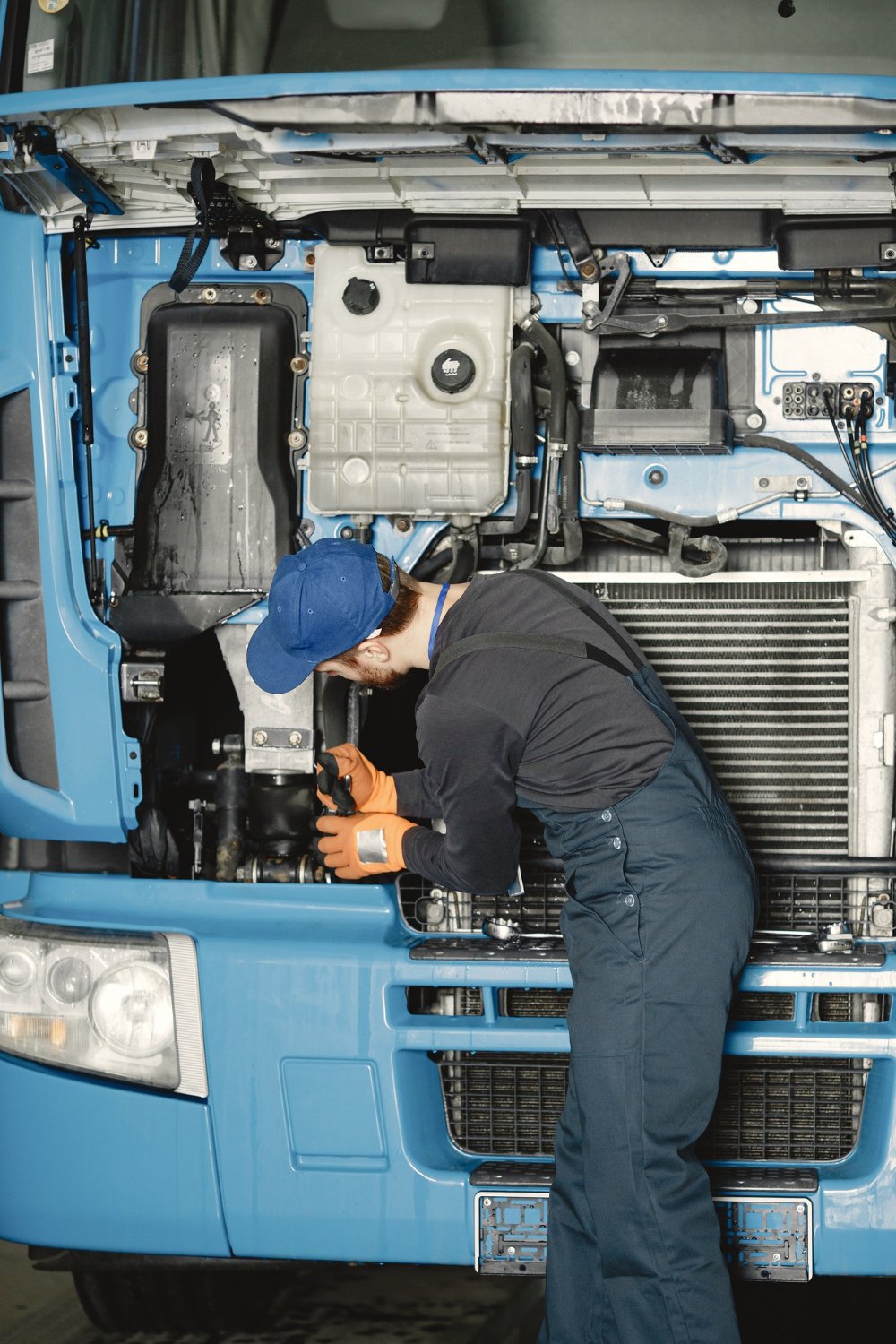
A dirty air filter chokes your engine and reduces fuel efficiency. Pop the hood and locate the air filter housing. It’s usually a black plastic box near the engine. Open it up, pull out the old filter, and compare it to a new one. If it’s dark, clogged with debris, or visibly dirty, swap it out. This five-minute job costs about twenty dollars and can improve your gas mileage noticeably.
Tire Maintenance: Safety First
Check your tire pressure monthly with a simple gauge from any auto parts store. Properly inflated tires last longer and improve fuel economy. While you’re at it, inspect the tread depth using the penny test. Insert a penny into the tread with Lincoln’s head upside down. If you can see all of his head, it’s time for new tires. Rotating your tires every 6,000 miles ensures even wear and extends their life. Most truck owners can handle this with a jack and lug wrench, though many tire shops offer free rotation with tire purchases.
Battery Care and Replacement
Truck batteries typically last three to five years. Check the terminals regularly for corrosion, which appears as white or greenish crusty buildup. Clean terminals with a wire brush and a mixture of baking soda and water. If your truck struggles to start or the battery is more than three years old, test it at an auto parts store. Most will do this free. Replacing a battery is simple—disconnect the negative cable first, then the positive, remove the hold-down clamp, lift out the old battery, and reverse the process with the new one.
Bed Maintenance and Protection
Your truck bed takes serious punishment from cargo, weather, and road salt. Inspect it regularly for scratches, dents, or early signs of rust. Clean out debris that collects in corners and drain holes, as trapped moisture causes corrosion. This is where investing in quality spray in bedliner and truck accessories makes sense. A professionally applied spray-in bedliner bonds directly to the metal, sealing out moisture and preventing rust before it starts. Unlike maintaining mechanical components, a quality bedliner requires minimal upkeep—just regular washing. Pair it with other protective accessories like tailgate nets or bed extenders to maximize your truck’s utility while keeping everything in good shape.
Fluid Checks: Easy Prevention
Pop your hood once a month and check fluid levels. Your truck needs clean coolant, brake fluid, power steering fluid, and windshield washer fluid. Most reservoirs have clear markings showing minimum and maximum levels. Topping off fluids takes minutes and prevents major problems. If you notice any fluid dropping rapidly, that signals a leak requiring professional attention.
Protecting Your Exterior Investment
Beyond the bed, your truck’s exterior needs attention too. Wash your truck regularly to remove road salt, dirt, and grime that cause paint damage. Wax it a few times a year to protect the finish. Check weatherstripping around doors and windows for cracks or gaps. When thinking about long-term protection, quality spray in bedliner and truck accessories aren’t luxuries—they’re smart maintenance that prevents expensive body repairs later. Mud flaps, running boards, and tonneau covers all reduce wear while adding functionality.
When to Call a Professional
Some maintenance falls firmly in mechanic territory. Transmission work, timing belt replacement, and brake system repairs require specialized tools and expertise. If your check engine light appears, get it diagnosed. Modern trucks have complex computer systems that need professional-level scanners to troubleshoot properly.
Strange noises deserve immediate attention from a mechanic. Grinding, squealing, or knocking sounds indicate problems that worsen quickly. Similarly, if your truck pulls to one side, vibrates unusually, or handles differently, schedule an inspection. Suspension and alignment issues affect safety and tire wear.
Major tune-ups involving spark plugs, ignition coils, and fuel system cleaning typically happen around 100,000 miles. While mechanically inclined owners can tackle these jobs, the average truck owner should leave them to professionals who have the right tools and experience.
The Bottom Line
Learning basic truck maintenance saves money and gives you confidence in your vehicle’s condition. Start with simple tasks like oil changes and air filters, then expand your skills as you gain experience. Balance DIY maintenance with smart protection choices like spray in bedliner and truck accessories that prevent damage before it happens. This approach keeps your truck reliable for years while knowing when professional help makes the most sense. Your truck works hard for you—return the favor with regular care, and it’ll keep running strong mile after mile.