 If you live in Pittsburgh, you know how much the weather shapes daily life. Winters are long, cold, and often snowy. Summers can feel humid and sticky. Older homes, which are common throughout the area, weren’t always built with modern energy standards in mind. Drafty rooms, rising heating bills, and uneven temperatures are familiar problems for many homeowners.
Sustainability in a place like Pittsburgh isn’t just about being environmentally conscious. It’s about staying warm in January without watching your energy bill spike. It’s about keeping your home cool in July without overworking your air conditioner. And it’s about making smart improvements that protect both your budget and the environment.
The good news is you don’t need a massive renovation to make your home more sustainable. Small, focused upgrades can reduce energy waste, improve comfort, and add long-term value. When you approach sustainability step by step, it becomes manageable and practical.
Upgrade Your Windows for Better Energy Performance
One of the biggest sources of energy loss in any home is the windows. If your windows are old, single-pane, or poorly sealed, they may be letting heat escape in the winter and allowing warm air to seep in during the summer.
In Pittsburgh’s climate, that constant heat exchange makes your HVAC system work harder than it should. You might notice cold drafts near the glass in winter or excessive heat near windows during the summer months. Condensation between panes is another sign that insulation has failed.
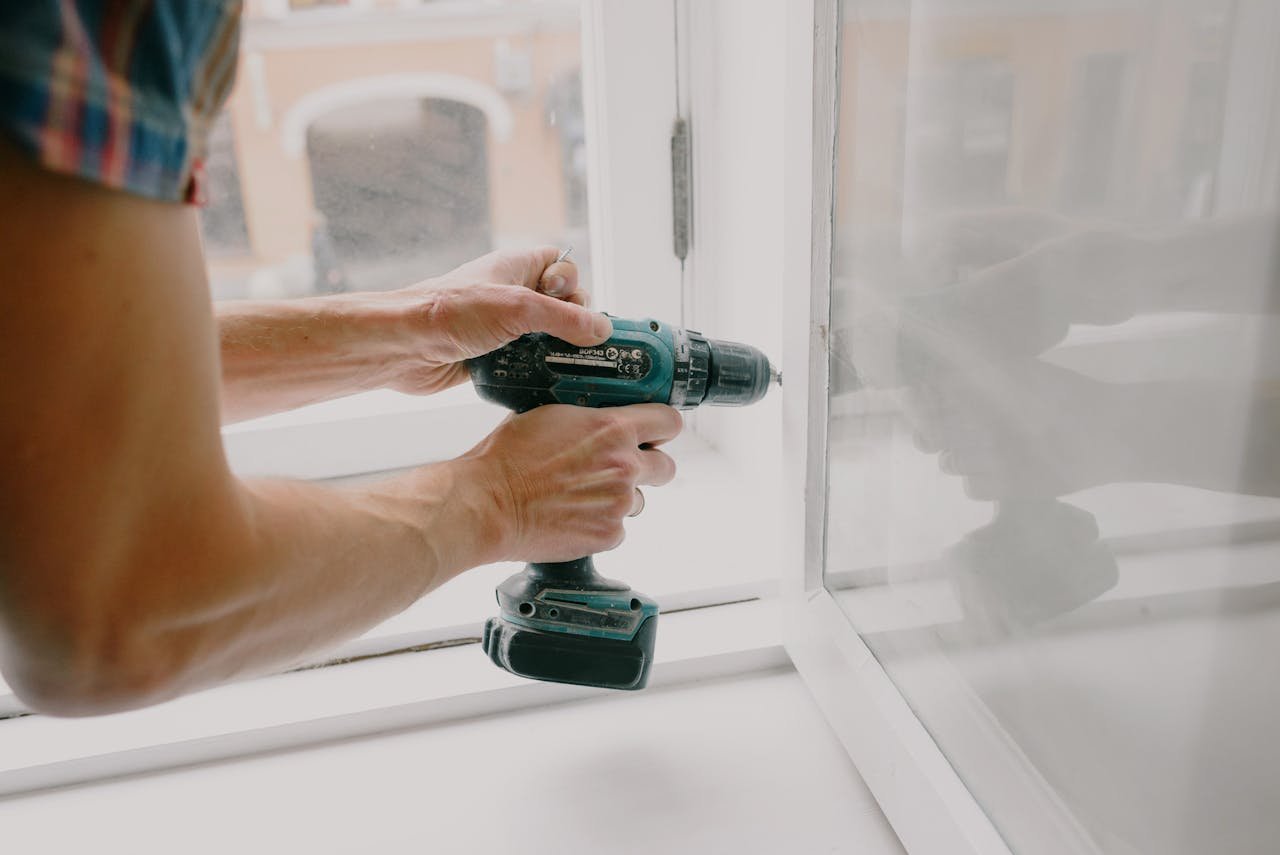
Investing in modern energy efficient windows in Pittsburgh can significantly reduce heat loss during freezing winters while helping maintain cooler indoor temperatures in the summer, thanks to features like double-pane glass, insulated frames, and Low-E coatings that reflect heat without blocking natural light. Proper installation is just as important as the product itself, since airtight sealing prevents drafts and moisture issues that can damage walls over time.
Energy-efficient windows don’t just improve comfort. They lower heating and cooling costs, reduce strain on your HVAC system, and make your home feel more stable year-round. It’s one of the most impactful upgrades you can make.
Improve Insulation and Seal Air Leaks
After windows, insulation is the next major factor in home efficiency. Many older Pittsburgh homes lack sufficient attic insulation. Heat rises, and if your attic isn’t properly insulated, warm air escapes quickly during winter.
Upgrading attic insulation can make a noticeable difference in indoor temperature. It helps keep warm air inside during colder months and blocks heat from entering in the summer.
Sealing small air leaks is another simple but powerful step. Gaps around doors, baseboards, outlets, and plumbing openings allow conditioned air to escape. Weatherstripping around doors and caulking around window frames can reduce these losses without a major investment.
These improvements may seem small, but together they can significantly reduce your energy usage.
Switch to LED Lighting
Lighting is one of the easiest upgrades you can make. If you still use incandescent bulbs, switching to LED lighting is a quick win.
LED bulbs use far less electricity and last much longer. That means fewer replacements and lower monthly energy costs. They also produce less heat, which can help slightly reduce cooling needs in warmer months.
You don’t have to change every bulb at once. Start with high-use areas like the kitchen, living room, and outdoor fixtures. Over time, the savings add up.
Install a Smart Thermostat
A smart thermostat gives you better control over your heating and cooling system. In a city with cold winters like Pittsburgh, that control can make a big difference.
These devices learn your habits and adjust temperatures automatically. If you’re away during the day, the system lowers heating output. When you return home, it warms the space before you walk through the door.
Many models allow you to monitor energy usage through an app. Seeing how much energy you use can help you make smarter adjustments.
It’s a simple upgrade that reduces waste without sacrificing comfort.
Upgrade to Water-Efficient Fixtures
Sustainability isn’t only about electricity and heating. Water usage matters too.
Installing low-flow showerheads and faucets can reduce water consumption without affecting performance. Modern designs maintain strong water pressure while using less water overall.
Dual-flush toilets are another smart choice. They allow you to control how much water is used per flush. Over time, these small reductions make a meaningful difference in water bills and conservation efforts.
These upgrades are affordable and easy to install, making them a practical starting point.
Choose Sustainable Materials for Small Renovations
If you’re planning minor renovations, consider the materials you use. Sustainable materials are often more durable and healthier for indoor air quality.
Bamboo flooring, reclaimed wood, and recycled-content countertops are becoming more accessible. Low-VOC paints improve indoor air quality by reducing harmful emissions.
You don’t have to redesign your entire home to make responsible choices. Even small material changes can reduce your environmental impact.
Sustainability often comes down to thoughtful decisions rather than dramatic overhauls.
Consider Renewable Energy Options
For homeowners ready to take a larger step, renewable energy is worth exploring. Solar panels are becoming more common, even in cities with variable weather.
While Pittsburgh doesn’t get constant sunshine, solar systems can still produce meaningful energy savings over time. Incentives and tax credits may help offset installation costs.
Renewable energy isn’t necessary for everyone, but it can be part of a long-term sustainability plan if your budget allows.
Landscape with Sustainability in Mind
Outdoor spaces also contribute to sustainability. Native plants require less water and maintenance because they are adapted to the local climate.
Installing rain barrels allows you to collect rainwater for watering gardens. Permeable pavers help reduce runoff and improve drainage.
Simple landscaping changes can reduce water waste and support the local environment.
Making your home more sustainable doesn’t require a complete renovation. In fact, the most effective changes often start small.
Upgrading windows, improving insulation, switching to LED lighting, and installing smart thermostats all reduce energy waste. Water-efficient fixtures and sustainable materials add another layer of responsibility.
Each improvement builds on the next. Over time, your home becomes more comfortable, more efficient, and less expensive to maintain.
In Pittsburgh, where winters test your heating system, and summers challenge your cooling setup, these upgrades provide real benefits. They protect your budget and make your living space more consistent and enjoyable.
Sustainability isn’t about perfection. It’s about steady progress. When you take practical steps to improve efficiency, you create a home that works better for you and for the environment, season after season.