 You usually don’t think about your roof until you see a stain spreading across the ceiling. It starts small, maybe the size of a dinner plate, and then one day it isn’t small anymore. That’s when the questions begin. How bad is it? How long has this been happening? And how much is this going to cost?
The stress rarely comes from the shingles themselves. It comes from not knowing what actually matters. A roof isn’t just another home upgrade. It’s a system. And when you replace it, you’re making decisions that will sit over your head for decades.
Understanding the Real Scope of Professional Installation
A new roof is more than tearing off old shingles and putting down new ones. What sits beneath the surface matters just as much. There’s the decking, which is the wooden base attached to the structure of your home. There’s underlayment, a protective layer that acts as a secondary barrier against water. Flashing is installed around chimneys, vents, and valleys to direct water away from seams.
When people talk about replacing a roof, they often picture the visible layer only. But a proper roof installation addresses the full system, not just the outer surface. If the underlying layers are ignored, problems can return even with brand-new shingles. That’s why the scope of work should be clear before any contract is signed.
Material Choice Isn’t Just About Color
Shingle color is usually the first thing homeowners think about. It’s understandable. The roof takes up a large portion of what people see from the street. But color is only part of the decision.
Asphalt shingles remain common because they balance cost and durability. Architectural shingles, which are thicker and layered, tend to last longer and offer better wind resistance. Metal roofing is growing in popularity due to its longevity and energy efficiency, though it comes at a higher upfront price. Tile and slate are durable but heavier, meaning the structure beneath must support the added weight.
Climate plays a role, too. In areas with heavy storms, impact-resistant materials may be worth considering. In hotter regions, reflective surfaces can reduce heat absorption. The key is matching material performance with local conditions, not just personal taste.
Ventilation Often Gets Overlooked
Roof problems are not always caused by rain. Sometimes they start inside the attic. Poor ventilation traps heat and moisture, which can weaken decking and shorten shingle life. In winter, trapped warm air can contribute to ice dams. In summer, attic temperatures can soar, putting stress on materials.
A proper plan should include a ventilation review. Ridge vents, soffit vents, and attic fans all play roles in air circulation. If ventilation is ignored, even high-quality shingles may age faster than expected. It’s not a dramatic detail, but it’s important.
Budgeting Without Guesswork
Cost is the part everyone worries about. And it should be considered carefully. A new roof is a significant investment. Still, choosing the lowest bid rarely leads to the best outcome.
Estimates should outline materials, labor, disposal of old materials, and any potential repairs to decking. Unexpected issues can arise once the old roof is removed. Rotten wood may be discovered. Flashing may need full replacement. A realistic budget allows room for those possibilities.
Financing options are more common now than they used to be. Some homeowners spread out payments instead of delaying necessary work. Delaying often leads to more damage inside the home, which increases overall costs. That pattern repeats often.
Timing Matters More Than You Think
Roofing projects are weather-dependent. Heavy rain or snow can delay work. Planning ahead, rather than waiting for an emergency leak, gives you more control over scheduling.
Spring and fall are often busy seasons. Contractors book quickly. Waiting until a crisis limits your choices. When homeowners plan early, they can compare options calmly and select materials without pressure.
There’s also the matter of daily disruption. Roofing work is noisy. Debris may fall around the perimeter of the house. Pets and children need to be considered. Planning ahead allows you to manage those temporary inconveniences with less stress.
Warranties and Workmanship
Not all warranties are equal. Manufacturer warranties typically cover material defects. Workmanship warranties cover installation errors. Both matter.
If shingles fail because they were installed improperly, the manufacturer may not cover the damage. That’s why understanding what is covered and for how long is important. Ask for written documentation. It’s not about mistrust. It’s about clarity.
Reputable contractors are usually transparent about warranty details. If answers feel vague or rushed, that’s worth noting. Roofing is too significant to leave to assumption.
Considering the Bigger Exterior Picture
A new roof doesn’t exist in isolation. Gutters, siding, and even solar panels may be affected by the project. If gutters are aging, it may make sense to replace them at the same time. Coordinating these upgrades can reduce labor costs and ensure compatibility.
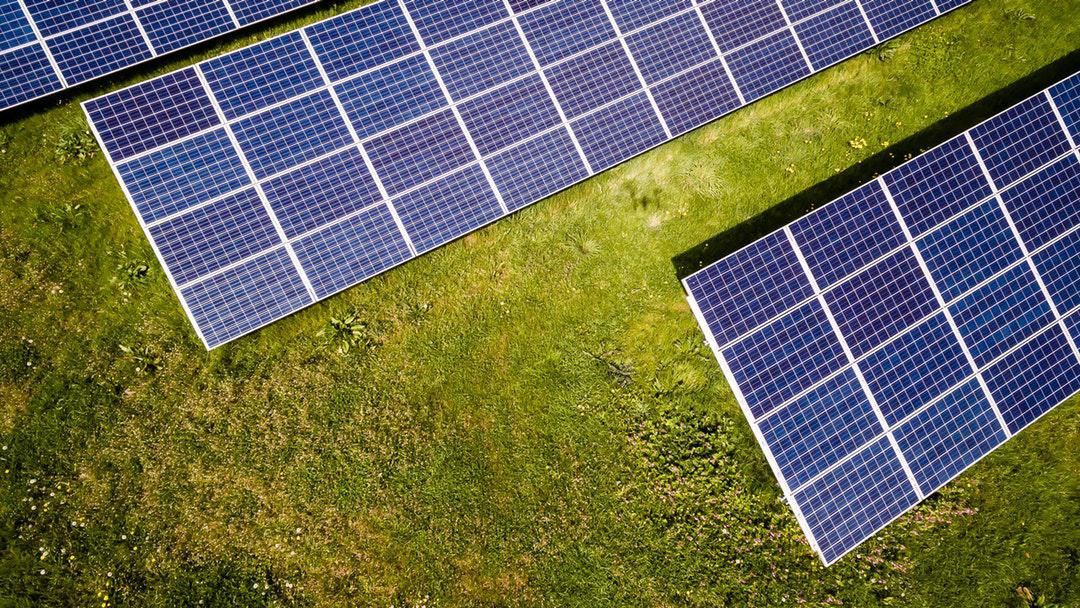
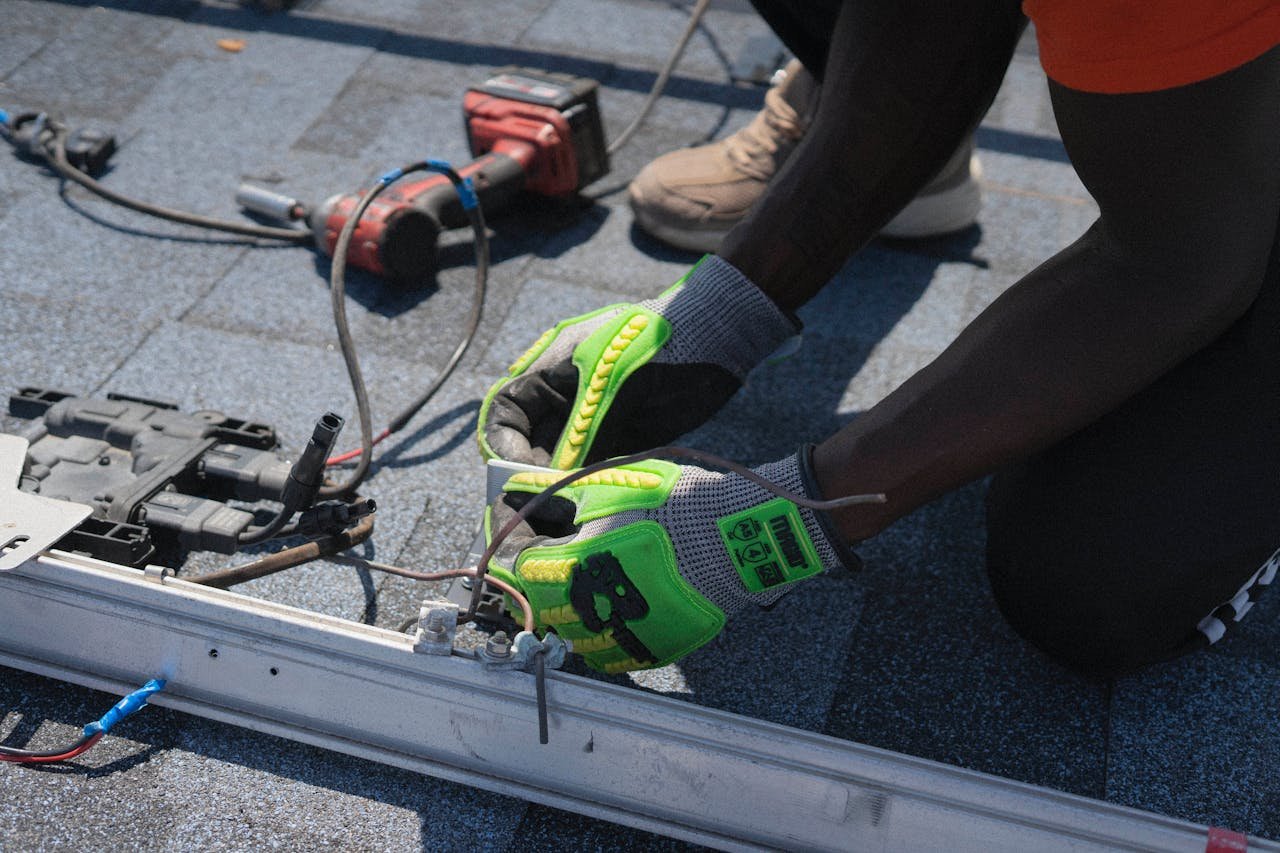
Solar panels are another consideration. If you plan to add solar in the near future, it’s wise to align roofing choices with that plan. Removing panels later to replace shingles can add expense. Thinking ahead avoids double work.
Home exteriors function as systems. Roofing, drainage, and insulation all interact. Addressing them together creates better long-term performance.
Choosing the Right Contractor
Selecting who will do the work may be the most important decision in the entire process. Licensing, insurance, and references should be verified. Online reviews can offer insight, though they should be read carefully.
Communication style matters as well. Are questions answered clearly? Are timelines explained? Does the estimate break down costs in a way that makes sense? These details reflect how the project may unfold.
It’s easy to focus on price alone. But reliability, safety practices, and experience often determine whether the roof performs as expected years later.
Thinking Long-Term
A roof is not just protection from rain. It affects energy use, comfort, and even resale value. A well-installed system can last twenty to thirty years, sometimes longer depending on materials.
Homeownership involves a series of decisions that don’t always feel urgent until they are. Planning for a new roof before failure occurs shifts the experience from reactive to intentional. That shift reduces stress.
When done thoughtfully, the result is simple. No more ceiling stains. No more buckets during storms. Just a quiet confidence that the structure above you is solid. And that, more than anything, is what really matters.