Understanding Ignition Interlock Devices
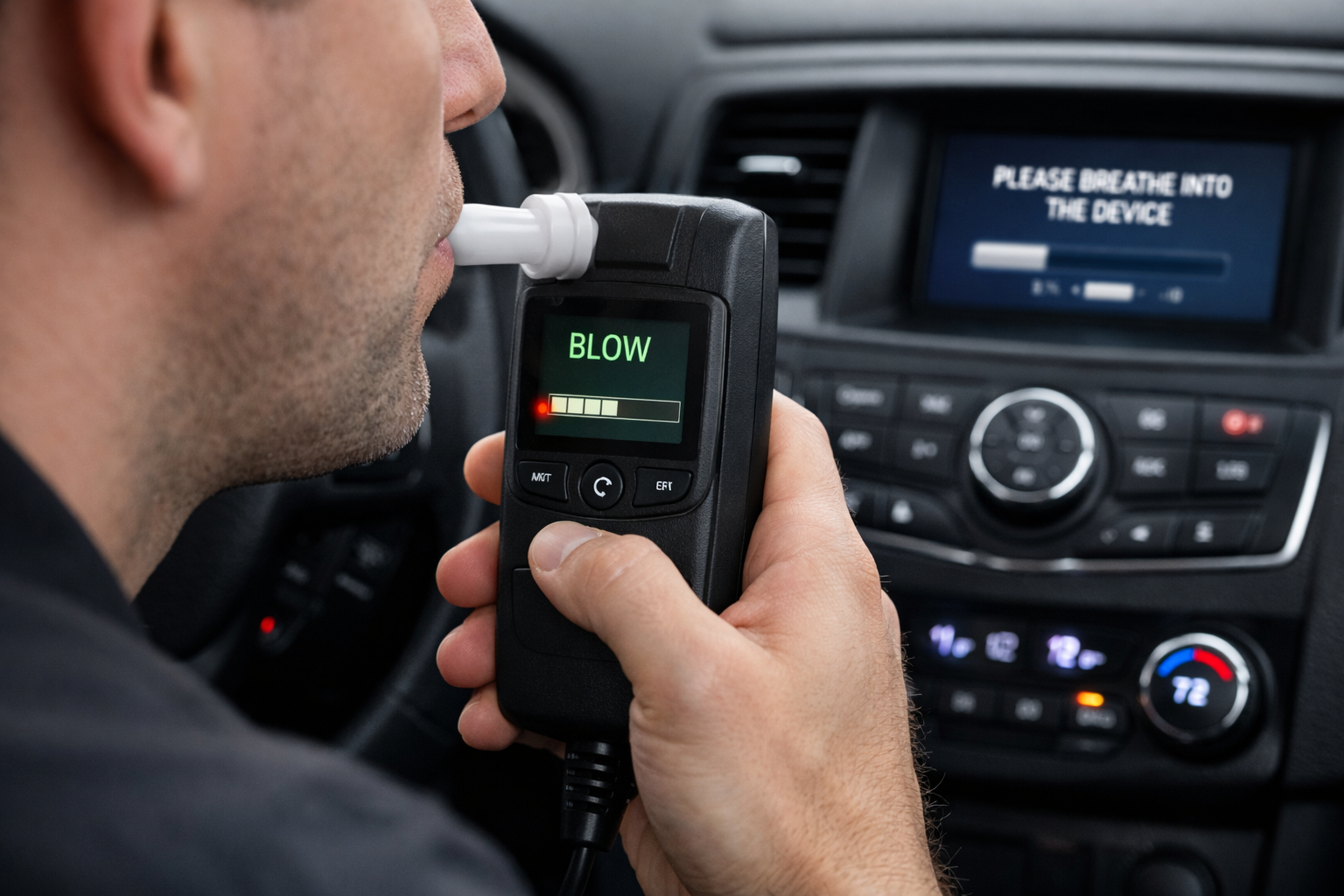
Ignition interlock devices are vital tools in the fight against drunk driving, helping drivers regain their freedom while ensuring road safety. An Ignition Interlock Device works by requiring the driver to provide a breath sample before the vehicle will start. If alcohol is detected above a preset threshold, the device will prevent the engine from turning on. These devices are effective at reducing repeat DWI offenses by reinforcing responsible decision-making every time the car is used.
Drivers may be mandated to use these devices by court order, especially after a DWI or DUI conviction. Understanding how the IID works and the consequences of misuse or non-compliance is the foundation for successfully completing an interlock program. Many users find comfort in knowing these systems not only fulfill legal obligations but also support safer driving habits for themselves and their communities.
By participating in these programs, individuals show a commitment to responsible driving and the broader movement to reduce alcohol-related accidents. Many states have established rules and oversight to ensure these tools are used effectively, with varying policies on installation, monitoring, and the eventual removal of the IID.
Key Steps to Ensure Compliance
Succeeding with an ignition interlock device requires attention to detail and a proactive approach. Several best practices will help individuals maintain compliance and move forward with their driving privileges:
- Regular Calibration and Maintenance: It is essential to keep up with all scheduled calibration appointments. Skipping or delaying these appointments can be recorded as a violation, potentially resulting in extended device usage and further complications within the legal system. Consistent service ensures optimal function and accurate readings.
- Accurate Record-Keeping: Maintain complete documentation for all service appointments, device installations, and reports made to your interlock provider or monitoring agency. These records may serve as vital proof in the event your compliance is ever questioned.
- Prompt Reporting of Issues: Report any device malfunctions, unexpected readings, or operational issues immediately to your service provider and, if necessary, the relevant authorities. Always request written confirmation to protect yourself from unjust violations.
Understanding Compliance-Based Removal
Many states now utilize compliance-based removal (CBR) laws for Car Breathalyzer devices. These laws require that offenders demonstrate a period of violation-free use before the device can be taken out. Compliance is typically tracked over several months, and each infraction can reset the countdown. Studies indicate that states with CBR programs for car breathalyzer experience significantly fewer repeat offenses than those without such regulations.
Common Pitfalls to Avoid
To maintain compliance and avoid setbacks or additional penalties, steer clear of these frequent mistakes:
- Attempting to Circumvent the Device: Efforts to bypass or tamper with the IID can result in additional penalties, criminal charges, and an extension of the device’s required period. The integrity and security technology built into modern devices make circumvention attempts both obvious and high-risk.
- Allowing Others to Provide Breath Samples: Only the person who is assigned to the device should provide breath samples. Allowing friends or family members to blow into the device is prohibited and may be treated as fraud by the authorities.
- Ignoring Device Prompts: Ignition interlock devices are designed to request random retests while the vehicle is in motion. Failure to respond to these prompts or to disregard error codes can result in logged violations and may lead to further sanctions.
Staying Informed on State Regulations
Regulations for ignition interlock devices often differ by state, including rules on installation, monitoring, removal, and penalty structures. It is crucial to stay up to date on the requirements and changes from your local Department of Motor Vehicles or similar agency. Regularly reviewing updates and guidance can help prevent accidental violations and ensure you fulfill all legal expectations.
Seeking Support and Resources
Maintaining compliance with IID regulations can be challenging, especially during stressful life transitions. Fortunately, numerous resources are available to help:
- Legal Counsel: An attorney specializing in DUI or DWI law can help you understand your rights and ensure you comply with all requirements for your device and program.
- Support Groups: Local or online support groups are invaluable for sharing advice, experiences, and emotional encouragement as you navigate daily life with an IID.
- Educational Programs: Many organizations offer courses on responsible driving and substance abuse prevention, which can help change habits and reduce the risk of reoffending.
Final Thoughts
Complying with ignition interlock device mandates is essential to regaining full driving privileges and promoting community safety. By educating yourself about the technology, following compliance best practices, staying up to date with local regulations, and engaging with support services, you can confidently navigate the IID period and help create safer roadways for everyone.