 Most people fly into Thailand for two weeks, hit the temples, eat their weight in pad thai, and fly home exhausted. But a growing number of travelers are doing something different. They’re staying for months, sometimes years, trading the rushed itinerary for something closer to actual living.
Slow travel in Thailand becomes more meaningful if you know how you spend it and know how well the systems around you support a longer stay. Here’s what that looks like in practice.
Making Sense of Visa Requirements
Anyone considering an extended stay needs to get comfortable with visa requirements early, because this is where plans either come together or fall apart. Thailand’s Long-Term Resident visa covers several categories, and understanding which one fits you matters more than most people expect.
Here’s a quick breakdown of who typically qualifies:
- A Wealthy Global Citizen generally needs a certain income level along with investments in Thai government bonds or Thai property.
- A Wealthy Pensioner qualifies through retirement income and proof of financial stability.
- A Work-From-Thailand Professional works remotely for a company based outside Thailand.
- A Highly-Skilled Professional brings specialized expertise that supports specific industries the country wants to grow.
Each category has its own paperwork, and the Ministry of Interior oversees the approval process for the Kingdom of Thailand. Start the conversation with a Thai embassy in your home country before booking a one-way ticket.
When Connectivity And Work Are Priorities
One frustration that trips up many long-stay travelers is staying connected without paying absurd roaming fees or hunting for a local SIM card the moment they land. A Thailand eSIM solves that before you even board the plane, letting you land with data already active instead of wasting your first day searching for a phone shop.
For digital nomads, staying connected is the difference between being productive and losing half a day to spotty signal. That’s why more long-stay travelers are sorting out their data plan before they land, treating it as part of the setup rather than an afterthought.
Beyond connectivity, the buildings have leveled up too. Larger complexes include conference space for people running businesses remotely.
Where You’ll Live
Housing is where a prolonged stay either clicks or falls apart. Long-term rentals in Thailand range from modest apartments to a fully furnished tiny home tucked into a quiet neighborhood. A few hotels offer a monthly hotel stay package that blends resort lifestyle perks with long-term pricing.
Buildings marketed toward long-stayers include dedicated workspaces so you’re not hunched over a laptop on a wobbly cafe table for six months straight. Flexible move-in and move-out dates have also become standard, which matters when your plans shift with the seasons or a job. Some units come with full kitchenettes that let you cook your own meals instead of eating out.
Many properties offer swimming pools and an on-site fitness center. Some places are pet-friendly, which matters if you’re not willing to leave your dog behind for a six-month stint.

Beyond Bangkok
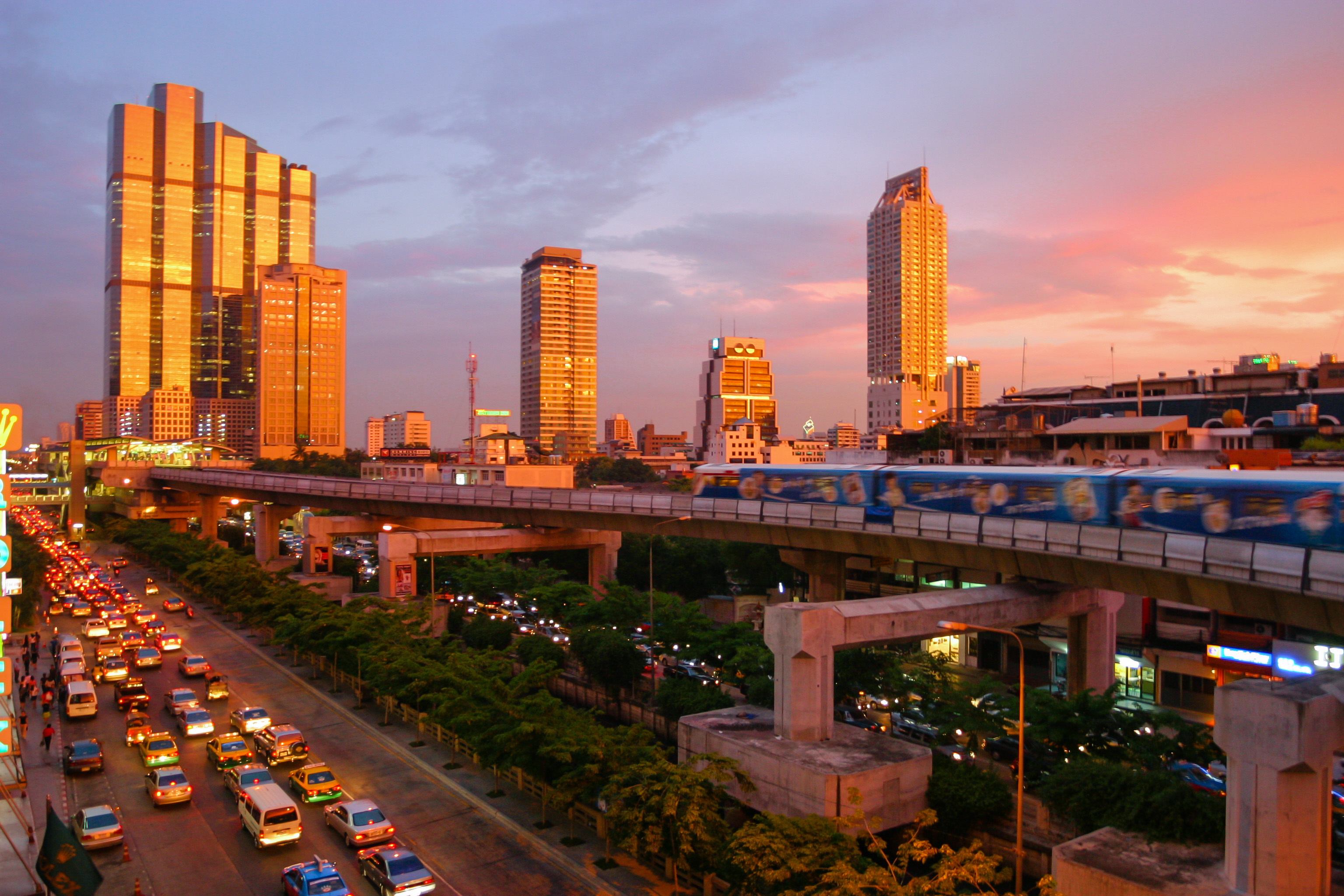
The real fun starts once the logistics are sorted. Bangkok still anchors most people’s arrival, whether through Suvarnabhumi Airport or Don Muang Airport, and a limousine transfer on arrival takes the edge off a long flight. Evenings at a train night market show a different side of the city, one built around street food stalls and local vendors rather than glossy shopping malls.
Chiang Mai has become a home base for long-stay travelers, thanks to its slower pace, mountain air, and lower cost of living compared to Bangkok. From there, day trips to temples and the surrounding hills feel less like tourist checkboxes and more like a Sunday habit.
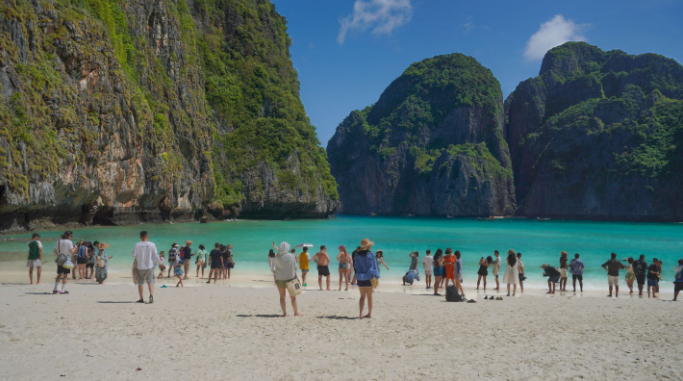
The Big Buddha in Phuket is worth the detour. It’s the kind of stop that fits naturally into a slower schedule since there’s no rush to squeeze it in before a flight. The country’s top tourist destinations stretch far beyond the usual postcard shots, and staying longer means you can actually get to them without cramming everything into a frantic ten-day loop.
Slowing Down With Wellness
A long stay also gives you room to rest, not just sightsee. Resorts near Khao Lak and places like the Mövenpick Resort Khao Yai have built entire experiences around a spa and wellness center, offering spa treatments and wellness facilities that reward people who stick around.
Locations with ocean landscapes or nearby thermal facilities turn a simple stay into something closer to a tropical escape. Many of these spots have become a guest favorite precisely because they lean into a family-friendly environment without losing their adult appeal.
Nearly 33 million travelers visited Thailand in 2025, and a noticeable share of them weren’t there for a quick beach photo. Food, weather, cost of living, and a genuine warmth toward visitors keep people coming back and, increasingly, staying put.
Closing Thoughts
What sticks with people most, though, isn’t the pool or the spa menu. It’s the human side of it, the staff who remember your name after the third visit, the customer service that feels personal rather than scripted. That’s the piece that’s easy to overlook when you’re planning your 2026 travel around visas and rental contracts. However, it’s often what makes people stretch their stay even further.
Extended trips in Thailand enable you to do things at a pace that lets you enjoy them, backed by a country that’s finally built the systems to make longer visits easy.