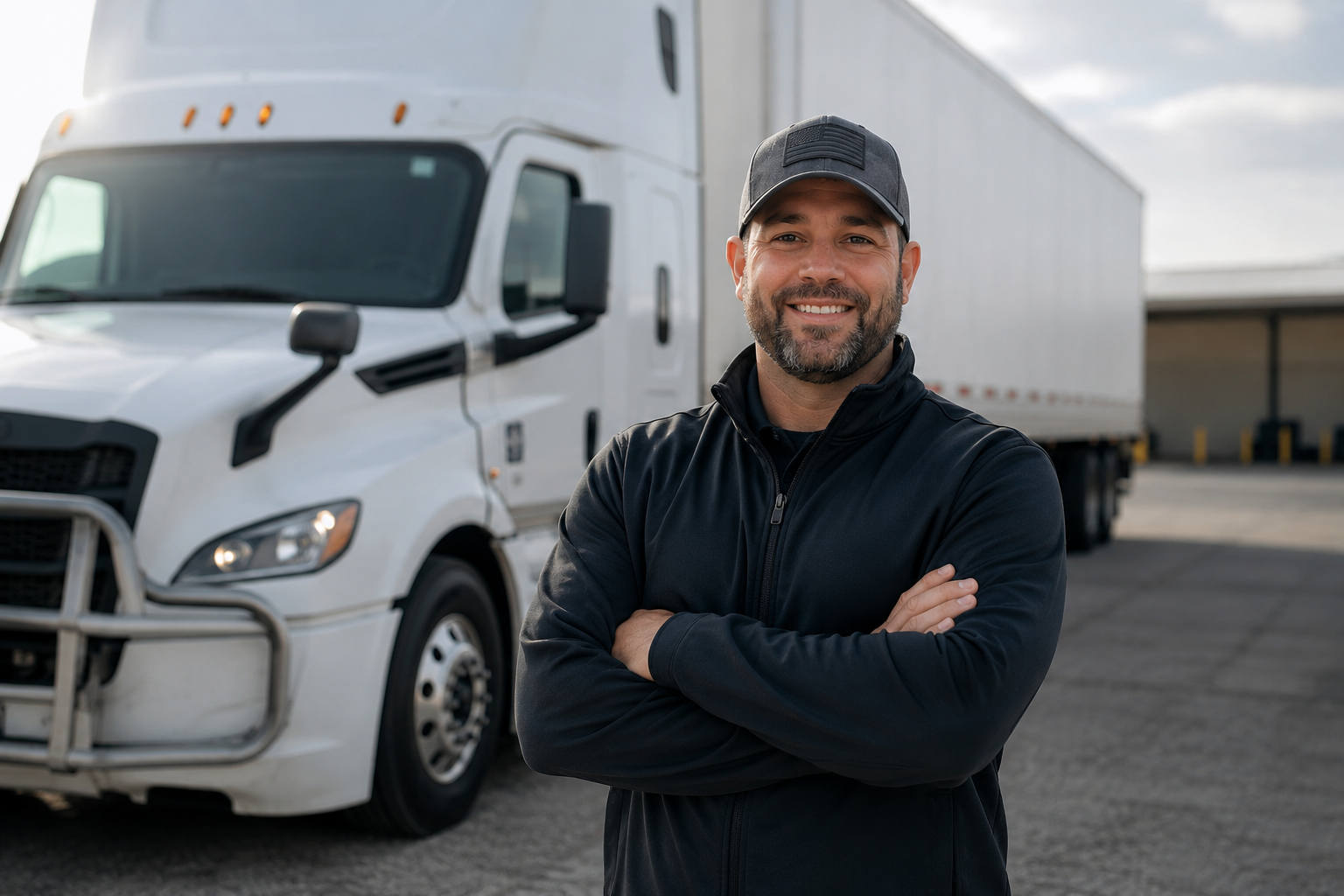
Retired from a career in the US military, Brandon Kearns is a transportation manager who coordinates the efforts of drivers spanning four states, and he is responsible for ensuring drivers undertake assignments in a safe, secure, and compliant manner. He prepares schedules, ensures optimal route efficiency, monitors expenses, and oversees prompt resolution of customer service issues, with Brandon Kearns regularly traveling to customer locations to better understand service deficiencies firsthand. Mr. Kearns began in the food service industry in 2020 as a Class A delivery driver, where he excelled in transporting product safely to its intended destination. His service as a US Army fire support sergeant spanned 2003 to 2014, during which he led, trained, and oversaw a company fire support squad based out of Fort Bragg, North Carolina that completed missions overseas in locations such as Iraq.
Transport plays a vital role in the supply chain by moving goods efficiently between locations and ensuring they reach their intended destinations. An effective transport management approach enables businesses to expand into new markets, control operating costs, and strengthen their reputations for reliable service.
However, managing transport has become increasingly challenging as evolving technologies and changing customer expectations continue to transform the industry. As transport demands continue to evolve, businesses must adopt effective practices to maintain efficient and reliable operations.
Careful route planning is one of the key strategies for reducing travel time, lowering operating costs, and increasing overall efficiency. Beyond choosing the most effective routes, businesses can use connected technologies such as GPS, sensors, smartphones, and tablets to support informed decision-making. These tools provide real-time data on traffic conditions, weather, fuel consumption, vehicle capacity, and the condition of transported goods.
Transport managers can use this information to select the most efficient routes, maximize vehicle load capacity, minimize delays, and improve operational performance while keeping costs under control.
Combining shipments destined for the same geographic area can further improve transport efficiency and shorten lead times. Combining goods headed to a common destination, whether for domestic or international delivery, streamlines logistics operations and creates opportunities to negotiate better carrier rates through higher shipment volumes. It also supports the establishment of regular transport routes that enable faster deliveries and enhance overall operational profitability.
Partnering with local logistics providers further strengthens transport performance by bringing services closer to collection and delivery points. Knowledge of local customer requirements, including delivery schedules and unloading procedures, helps ensure smoother deliveries. Optimized last-mile operations also reduce transport costs, lower fuel consumption, and minimize environmental impact.
Another way to enhance transport efficiency is by reducing empty runs, where vehicles travel without carrying loads. These trips increase fuel expenses, accelerate vehicle wear and tear, and generate unnecessary emissions that affect operating costs and the environment.
Advanced route planning and telematics systems help address this challenge by providing real-time visibility into vehicle locations, estimated delivery times, and traffic conditions. With this information, transport managers can optimize routes and coordinate return loads more effectively. Fewer vehicles return without cargo, allowing businesses to make better use of fleet capacity while reducing fuel costs and unnecessary emissions.
An efficient fleet is crucial for reliable transport operations. Investing in modern, reliable, and environmentally friendly vehicles equipped with connected technologies helps reduce delays, improve safety, and support efficient pickup and delivery. Regular vehicle maintenance further enhances reliability and minimizes unexpected breakdowns.
Fleet optimization also includes workforce management, ensuring that drivers and coordination teams have the skills, availability, and flexibility to respond quickly to changing transport demands. Providing ongoing training and using digital communication tools strengthen coordination, support decision-making, and enable faster responses to unexpected challenges.
Monitoring key performance indicators such as delivery times, fuel consumption, vehicle utilization, and overall fleet performance helps transport managers identify inefficiencies and make data-driven adjustments to improve operations. Advanced analytics and predictive modeling can further enhance planning by forecasting changes in demand, allowing businesses to allocate vehicles, drivers, and other resources more effectively before demand increases.
At the same time, maintaining a productive and committed workforce is important for transport success. Retaining experienced drivers reduces recruitment costs, minimizes service disruptions, and supports consistent operational performance. Organizations can strengthen driver retention by offering competitive compensation, providing well-maintained vehicles, recognizing strong performance, supporting flexible scheduling where practical, and equipping drivers with digital tools that simplify communication and daily task management.
Effective transport management requires a combination of strategic planning, technology, data-driven decision-making, and skilled personnel. Businesses that optimize routes, strengthen fleet operations, leverage transport management systems, and invest in their workforce can reduce costs, improve delivery performance, and enhance customer satisfaction.
By continuously evaluating and refining transport processes, organizations can build more resilient, efficient, and competitive supply chains that support long-term business success.
About Brandon Kearns
Brandon Kearns is a transportation manager based in Oregon who coordinates drivers across four states, overseeing scheduling, route efficiency, expense monitoring, and customer service resolution. A retired member of the US military, he served as a US Army fire support sergeant from 2003 to 2014, leading a company fire support squad out of Fort Bragg, North Carolina on missions that included deployments to Iraq. He began his transport career in 2020 as a Class A delivery driver and is certified as an emergency medical responder and rope and swift water rescue technician.