A home should do more than look nice. It should support your daily routines, feel comfortable in every season, and make life easier rather than more complicated. When each room works the way it should, the entire home feels more enjoyable to live in.
For homeowners in hot and humid cities like Tampa, comfort becomes even more important. High humidity, intense heat, and long summers can quickly expose weak points in a home. Choosing the right upgrades helps protect your space while also improving how it feels day to day.
This article explores a room-by-room approach to creating a home that looks better, works smarter, and stays comfortable, focusing on practical improvements that add lasting value.
Entryway: Setting the Tone for Style and Function
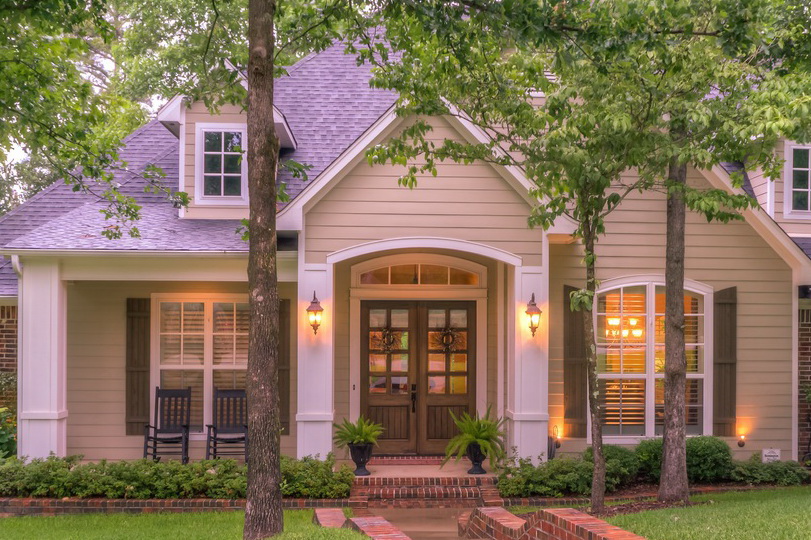
The entryway is the first space you interact with every day. A cluttered or poorly lit entry can quickly make the home feel disorganized, even if the rest of the rooms look polished. When this area works well, it creates a smoother transition between outdoors and indoors.
Functional storage plays a key role here. Hooks, benches, and cabinets help manage shoes, bags, and jackets without crowding the space. Lighting also matters. A bright but welcoming setup improves visibility while making the space feel inviting rather than harsh.
Bathroom Upgrades That Balance Comfort and Durability
The bathroom serves as a personal retreat, especially during Tampa’s hot summers when comfort and relaxation become priorities. This space needs to handle moisture, frequent use, and temperature changes without losing its appeal.
Moisture-resistant surfaces like properly sealed tile, quality vanities, and durable flooring help protect against humidity. Ventilation also plays a major role. A well-placed exhaust fan improves air circulation and reduces moisture buildup.
Fixtures should support daily use while contributing to a calming atmosphere. However, a smooth Tampa bathroom remodel often depends on working with professionals who understand layout planning, material selection, and proper installation. Their expertise helps avoid common issues and ensures the space functions as intended.
Living Room Updates for Comfort and Versatility
The living room often serves multiple purposes, from relaxing to hosting guests. A thoughtful layout helps the space adapt easily to different activities. Furniture placement should encourage conversation while leaving clear walkways that keep the room from feeling crowded.
Lighting plays a big role in comfort. Combining ambient lighting with lamps allows the space to shift from bright and active to calm and relaxed. Storage options like built-ins or shelving keep personal items organized without overwhelming the room. Moreover, choosing materials that are easy to clean and maintain helps the space stay inviting with minimal effort.
Kitchen Improvements That Support Daily Life
The kitchen is one of the most active areas in any home, which makes function essential. A layout that allows easy movement between cooking, cleaning, and storage zones saves time and reduces frustration. Even small changes, such as reorganizing cabinetry or updating work surfaces, can improve how the space feels.
Durable materials matter here. Countertops and backsplashes should handle heat, spills, and frequent cleaning without wearing down quickly. Storage solutions like pull-out shelves or deep drawers help keep essentials accessible while reducing clutter. Lighting also deserves attention. A mix of overhead and task lighting supports cooking while making the space more comfortable for gatherings.
Bedroom Enhancements for Better Rest
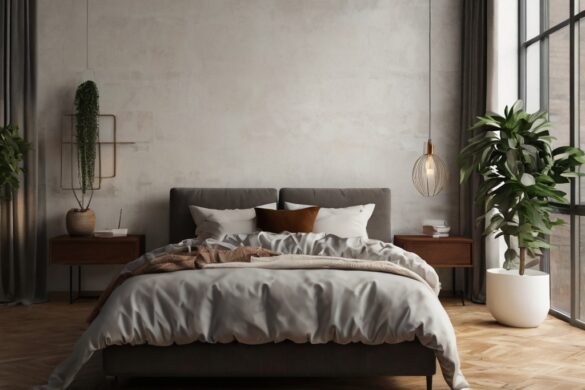
A bedroom should support rest without distractions. Layout choices play a major role in how calm the space feels. Placing the bed in a position that allows easy movement on both sides helps the room feel balanced and functional. Avoiding overcrowding with unnecessary furniture also makes a difference.
Storage should work quietly in the background. Closets, dressers, and under-bed options help keep personal items out of sight, which reduces visual noise. Lighting should feel flexible rather than harsh. Soft overhead lighting paired with bedside lamps allows the room to adjust from active mornings to relaxed evenings. Window treatments also matter, as they help control light levels and support consistent sleep routines.
Dining Area Adjustments for Everyday Use and Entertaining
The dining area should adapt easily to both daily meals and occasional gatherings. A layout that allows people to move comfortably around the table prevents the space from feeling cramped. Furniture that suits the size of the room helps maintain balance and makes the area feel welcoming rather than crowded.
Lighting influences how the space is used. A well-placed fixture above the table provides enough brightness for meals while still allowing a relaxed atmosphere. Storage nearby helps keep table settings, linens, and serving items organized and easy to access. When the dining area supports everyday habits instead of only special occasions, it becomes a more useful part of the home.
Home Office Features That Boost Productivity
A functional home office supports focus and reduces daily stress. The placement of the desk should take advantage of available light while avoiding glare. A comfortable chair and proper desk height help support posture and prevent fatigue during longer work periods.
Storage keeps work materials organized and prevents the space from feeling cluttered. Shelving, drawers, and filing options help separate work from the rest of the home. Sound control also matters, especially in shared living spaces.
Simple changes, such as rugs or soft furnishings, can reduce noise and create a quieter environment that supports concentration.
Outdoor-Connected Spaces That Extend Living Areas
Spaces that connect indoors and outdoors can expand how a home is used. Clear transitions between these areas make movement feel natural rather than abrupt. Doors and flooring should support frequent use while remaining easy to maintain.
Lighting helps these spaces stay functional beyond daylight hours. Thoughtful placement improves safety and creates a more inviting atmosphere. Storage for outdoor items keeps the area organized and prevents clutter from spreading inside. When these spaces feel intentional, they become extensions of the home rather than separate zones.
A well-functioning home supports how people actually live. When each room adapts to daily routines instead of working against them, the home feels easier to manage and more comfortable to enjoy. Thoughtful upgrades allow spaces to grow with changing needs rather than becoming outdated or inconvenient.
Ultimately, investing time in these areas encourages better habits, smoother routines, and a stronger connection to the space itself.