Buying a home that someone else has already lived in comes with a quiet advantage and a quiet risk. The advantage is that the house has a history you can inspect, since every settled crack, patched wall, and repaired roofline tells you something about how the property has been cared for. The risk is that history can be hidden behind fresh paint and new flooring. A buyer who walks through a pre-owned home looking only at the kitchen layout and the size of the yard is looking at the easy part. The harder part sits inside the walls, under the floors, and in the spaces nobody shows off during a viewing. Knowing what to check, and in what order, protects you from spending years fixing problems you never agreed to buy.
What Hidden Damage Can Do to an Older Home
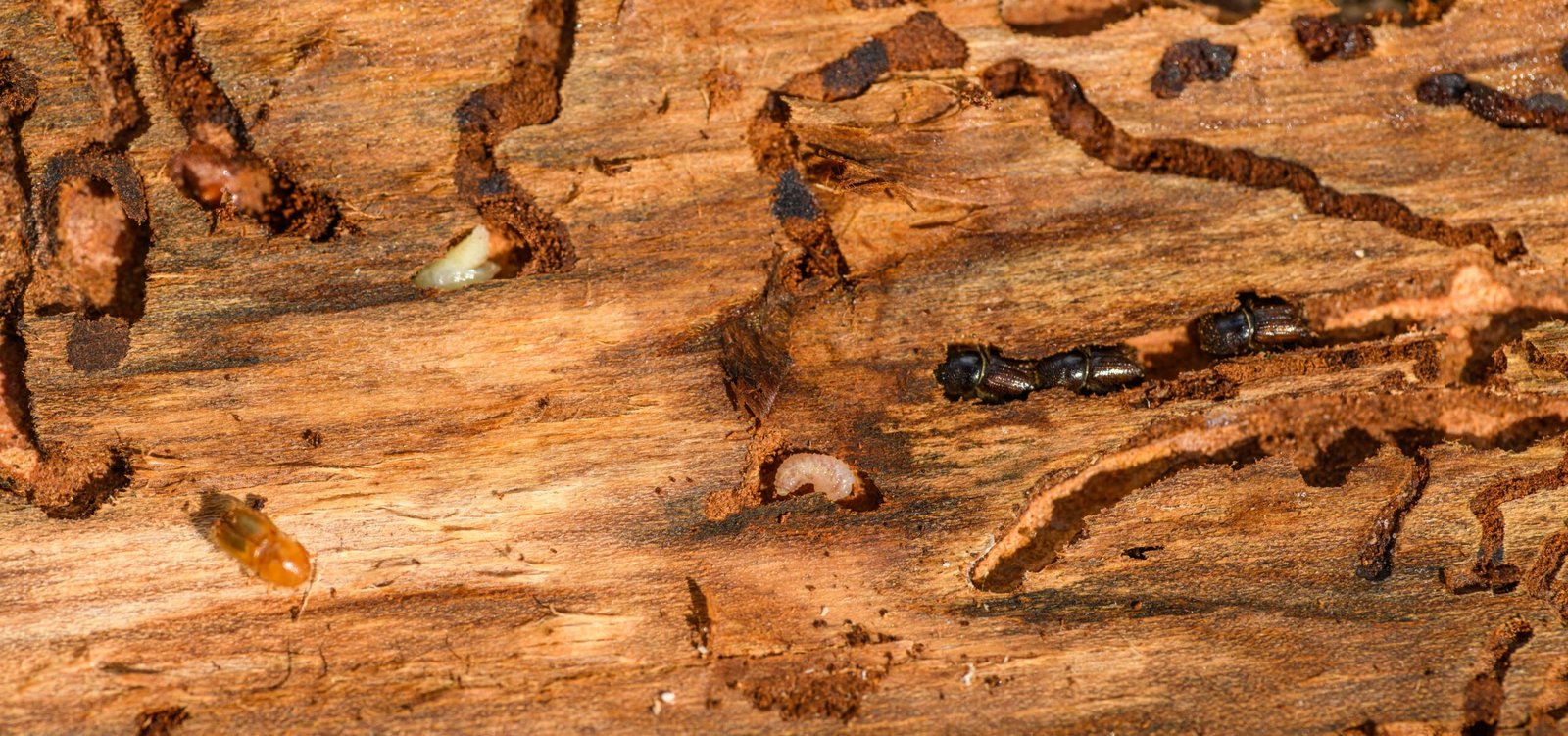
Most older houses in humid regions share the same weak point, and it is the wood that holds everything together. Moisture works its way into framing, siding, and support beams over time, and once wood softens, insects follow. Termites are the clearest example, because they feed on the structural timber of a house and can weaken beams and joists long before anyone notices a change. Professional pest control is the answer here, and it is worth understanding what a qualified company can do for a property before you commit to owning it. A good starting point is to review the full range of termite treatment and prevention options available for residential properties, so you know what a home may need after the sale closes.
What to Look for in the Structure
Start with the bones of the house. Walk the exterior slowly and look along the foundation line for cracks that run in a stair-step pattern through brick or block, since these often point to settling that has not stopped. Small hairline cracks in concrete are common and usually harmless, but wide gaps, uneven floors inside, and doors that will not close properly are worth asking about.
Inside, pay attention to the floors. Stand in the middle of each room and feel for soft spots or bounce. Look at where the walls meet the ceiling and check for separation. If the house has a crawl space or a basement, ask to see it. Sellers sometimes skip these areas during a showing, and that is exactly why you should insist on looking. Damp soil, standing water, and a musty smell are all signs that moisture has been sitting where it should not.
Checking the Roof and Drainage
A roof is one of the most expensive parts of a house to replace, so it deserves a careful look. Ask how old the roof is and whether it has ever been replaced in full or only patched in sections. From the ground, look for missing or curled shingles, sagging along the ridge line, and staining around vents and chimneys.
Drainage is just as important and much easier to overlook. Gutters that are clogged, broken, or missing send water straight down the side of the house and into the soil beside the foundation. Downspouts should carry water well away from the building. When you walk the yard, notice whether the ground slopes toward the house or away from it. Water pooling near the walls is a long-term problem that feeds almost every other problem a house can develop.
Inspecting Plumbing and Electrical Systems
Older homes often carry older systems, and these are the parts of a purchase that catch buyers by surprise. Run the taps in every bathroom and the kitchen. Check how quickly hot water arrives and whether the pressure drops when two taps are open at once. Look under every sink for water stains, corrosion on pipes, and warped cabinet bases.
For the electrical system, find the panel and look at it. A panel that is neatly labeled and modern is a good sign. One that is crowded with mismatched breakers, or that still uses fuses, suggests the wiring may not have been updated in decades. Test light switches and outlets as you move through the house. Flickering lights and outlets that do nothing are small signs of a larger issue that an electrician will need to price out.
Reading the Signs of Past Repairs
Every pre-owned house has been repaired at some point, and the quality of those repairs tells you how the previous owner treated the property. Look for sections of wall that have been patched and repainted while the rest of the room was left alone. Ask what was behind the patch. Fresh paint in only one corner of a ceiling often covers a leak that may or may not have been fixed properly at the source.
Ask the seller for records. Receipts, warranties, and service histories for major work give you a clear picture of what has been maintained and what has been ignored. A seller who has documentation usually has nothing to hide. A seller who cannot recall when anything was last serviced is telling you something important without meaning to.
Making the Decision With Clear Eyes
Once you have gathered everything, sit with the full picture rather than reacting to any single item. Almost every pre-owned home will show some faults, and finding them is not a reason to walk away. The question is whether the faults are manageable, whether the cost of fixing them fits your budget, and whether the price of the house reflects the work ahead.
Use what you have found as a basis for negotiation. Sellers often expect this, and a well-documented list of concerns carries far more weight than a general request for a lower price. A house that needs work at a fair price can be a better purchase than a house that looks flawless and hides its problems well. What matters is that you go in knowing exactly what you are buying.