 Every year, thousands of lives are affected by preventable road accidents. While weather conditions and vehicle failures sometimes play a role, most crashes are caused by dangerous driving behaviors. Understanding these risky habits is the first step toward prevention. Whether you’re a new driver or someone with years of experience behind the wheel, recognizing these behaviors can help you stay safe and protect others on the road.
By identifying the most dangerous driving behaviors, we can reduce risks, save lives, and make roads safer for everyone.
Distracted Driving
Distracted driving is one of the leading causes of road accidents worldwide. It occurs when a driver diverts attention away from driving to focus on another activity. Common distractions include texting, talking on the phone, eating, adjusting the radio, or interacting with passengers. Even a few seconds of distraction can have devastating consequences, especially at high speeds.
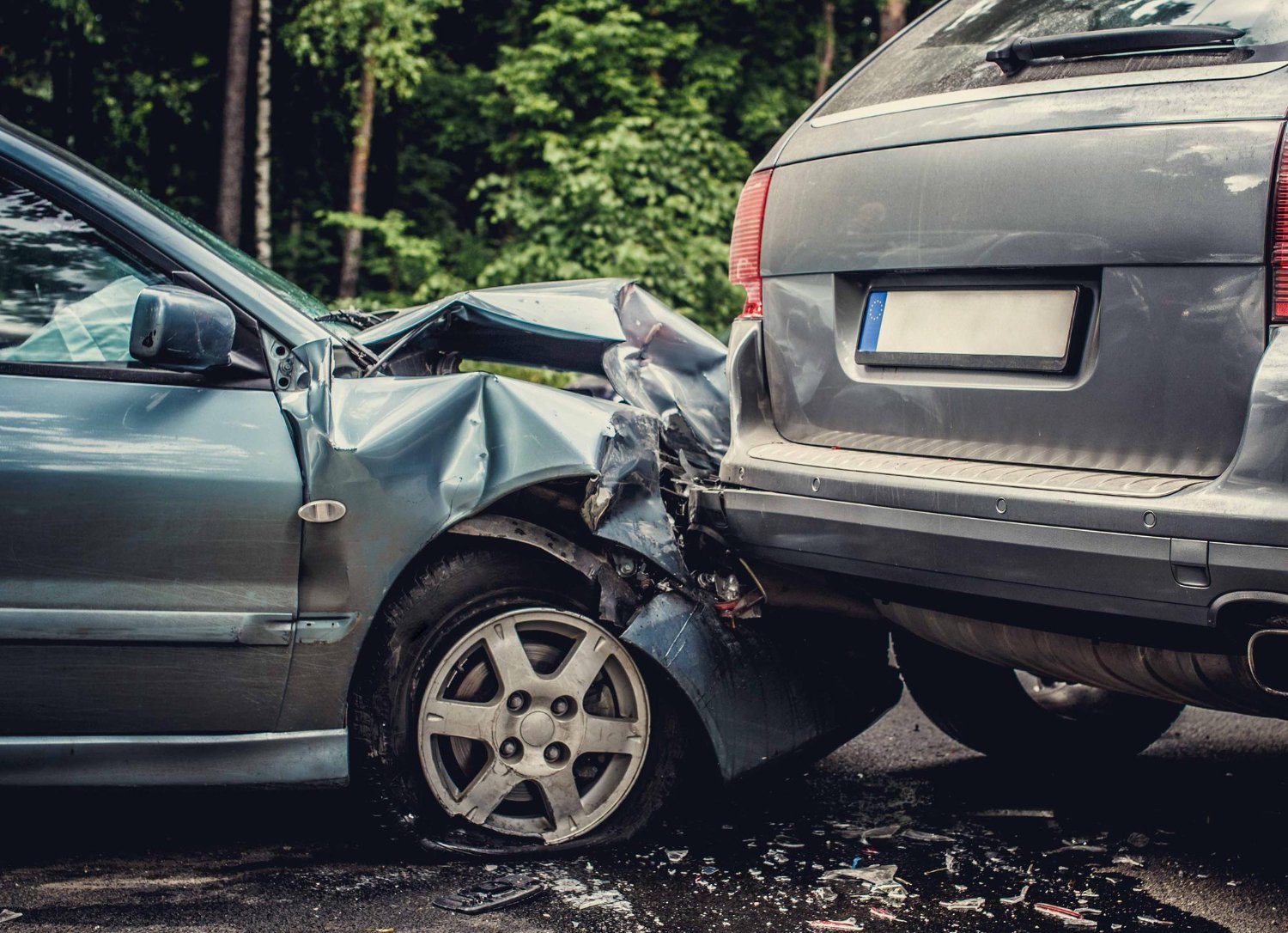
Texting while driving is particularly dangerous because it combines visual, manual, and cognitive distractions. A driver who looks down at their phone for five seconds while traveling at highway speed may cover the length of a football field without watching the road. This significantly increases the likelihood of rear-end collisions, pedestrian accidents, or drifting into another lane.
When accidents happen due to negligence, victims often seek legal guidance from a car accident lawyer in Bridgeport to understand their rights and pursue compensation. However, the ultimate goal should always be prevention.
Speeding
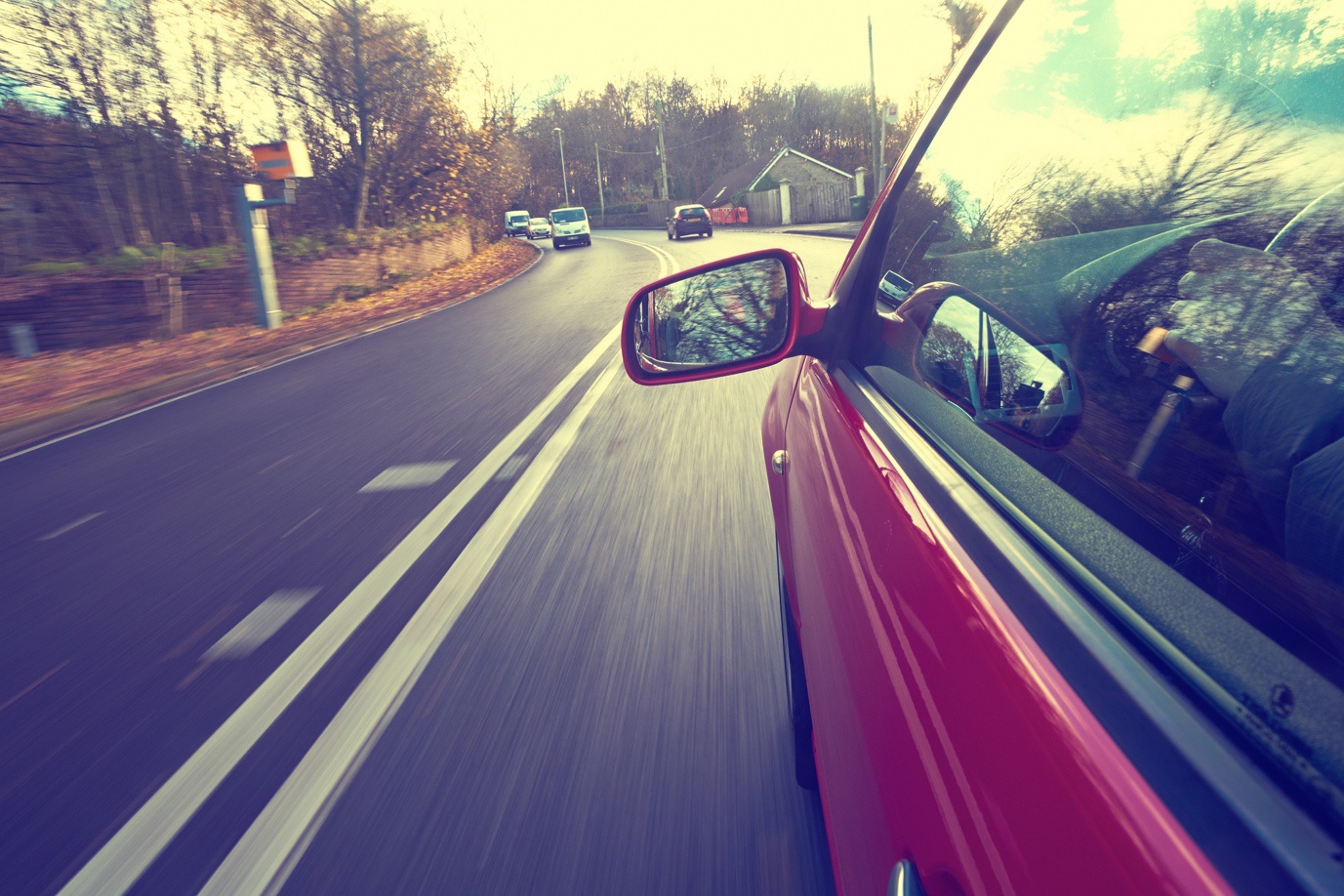
Speeding remains a major contributor to traffic accidents and fatalities. Driving above the posted speed limit or too fast for road conditions reduces a driver’s ability to react quickly to unexpected obstacles. The faster a vehicle travels, the longer it takes to stop, and the greater the impact during a collision.
High speeds also reduce the effectiveness of safety features such as airbags and seat belts. In severe crashes, excessive speed increases the risk of serious injuries or fatalities. Speeding is particularly dangerous in residential areas, school zones, and during adverse weather conditions like rain or snow.
Drivers should always obey posted speed limits and adjust their speed based on traffic flow and weather conditions. Allowing extra travel time can eliminate the temptation to speed. Responsible speed management significantly lowers the risk of losing control and causing harm to others.
Driving Under the Influence
Driving under the influence of alcohol or drugs severely impairs judgment, coordination, and reaction time. Even small amounts of alcohol can reduce concentration and decision-making ability. Drugs, including prescription medications, can also affect alertness and motor skills.
Preventing impaired driving is straightforward: never get behind the wheel after consuming alcohol or drugs. Use ride-sharing services, public transportation, or designate a sober driver. Making responsible choices not only protects the driver but also everyone sharing the road.
Reckless and Aggressive Driving
Reckless driving involves intentional disregard for traffic laws and the safety of others. Aggressive behaviors such as tailgating, weaving between lanes, excessive honking, and road rage incidents can escalate quickly and lead to serious crashes.
Managing emotions while driving is essential. If another driver behaves aggressively, it is best to remain calm and avoid confrontation. Practicing patience and defensive driving techniques can significantly reduce the risk of accidents caused by reckless behavior.
Running Red Lights and Ignoring Traffic Signals
Traffic signals and signs exist to regulate the safe flow of vehicles and pedestrians. Ignoring red lights, stop signs, or yield signs can result in dangerous intersection collisions. These crashes are often severe because they frequently involve vehicles traveling at full speed.
Approaching intersections with caution and anticipating signal changes can prevent many accidents. Always come to a complete stop at stop signs and avoid attempting to “beat the light.” Obeying traffic signals is a fundamental rule of safe driving.
Fatigued Driving
Fatigued driving is often underestimated but can be just as dangerous as driving under the influence. Drowsiness slows reaction times, reduces awareness, and impairs decision-making. In extreme cases, drivers may fall asleep behind the wheel for a few seconds, leading to catastrophic consequences.
To prevent fatigue-related accidents, drivers should ensure adequate rest before long trips and take breaks every two hours. If feeling drowsy, it is crucial to pull over safely and rest. Prioritizing sleep is essential for maintaining focus and road safety.
Poor Weather Driving Habits
Adverse weather conditions such as rain, snow, fog, and ice significantly increase accident risks. Reduced visibility and slippery roads require extra caution. Unfortunately, many drivers fail to adjust their behavior to match weather conditions.
Driving at normal speeds during heavy rain or snow can cause hydroplaning or skidding. Sudden braking on icy roads may lead to loss of control. Tailgating becomes even more dangerous when stopping distances are extended due to wet or frozen surfaces.
Safe weather driving involves reducing speed, increasing following distance, and ensuring headlights are on when visibility is limited. Regular vehicle maintenance, including proper tire tread and functioning brakes, also plays a critical role. Adapting to weather conditions is vital for preventing avoidable accidents.