Strong communities often begin with ordinary moments at home. Families do not need elaborate schedules, expensive outings, or perfect routines to create connection. A regular meal, a short walk, a shared story, or a small act of service can help children and adults feel seen, heard, and included. For families seeking faith-centered ways to deepen those connections, exploring churches for families in Houston can be a useful starting point. Chapelwood UMC is a Houston-based United Methodist community serving the Memorial-area community and beyond through worship, children’s and student ministries, small groups, service, and opportunities for people of different ages to connect. Its broad family ministry approach makes it a helpful local example of how faith communities can support a sense of belonging both inside and outside the home.
Why Small Rituals Matter More Than Big Events
A family ritual is not the same as a one-time activity. A vacation or birthday party can create wonderful memories, but a ritual is a meaningful action that happens often enough to become familiar. It might be Friday pizza night, a Sunday afternoon walk, a monthly visit with grandparents, or a quick gratitude question before bed. Repeated moments give children predictability, which can be especially valuable during busy school weeks, changing work schedules, or stressful seasons. Rituals should not become rigid rules. If a family dinner moves to breakfast, or a neighborhood walk becomes a living-room game during bad weather, the connection still counts.
How Shared Meals Create Space for Real Conversation
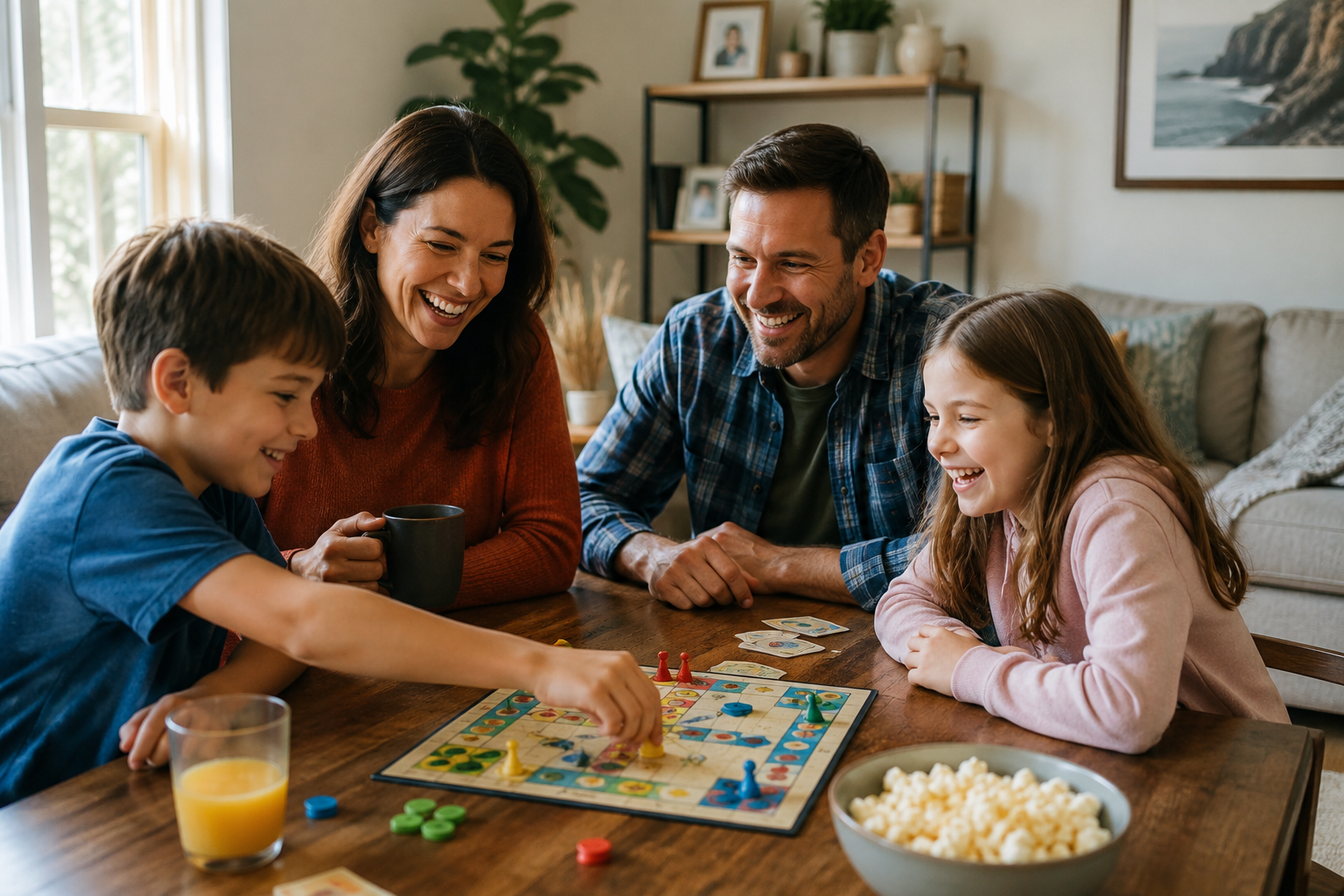
Shared meals give families a natural pause point. The food does not need to be homemade, healthy-looking, or served at a formal table. Breakfast before school, snacks after practice, takeout at the kitchen counter, and a picnic in the park can all become opportunities to check in. Try prompts that invite more than a one-word answer: “What made you laugh today?” “What was harder than you expected?” “What is one thing you want help with this week?” For younger children, ask about a favorite part of the day. For teens, ask for an opinion about music, school, local events, or a family plan. Research on family communication and youth well-being supports making open, routine conversations part of daily life, especially as children grow older. The CDC’s guidance on connecting conversations offers practical ideas for keeping those talks respectful and ongoing.
Ways to Build a Family Ritual Around Service
Service helps children practice empathy while introducing families to people outside their usual social circle. Start small and make the work manageable.
- Choose a cause that matches your family’s interests, such as hunger relief, animals, older neighbors, or parks.
- Commit to one hour each month before adding more.
- Give everyone a role, even if it is packing supplies, making cards, or choosing a project.
- Talk afterward about what the family noticed and learned.
- Keep a simple journal, photo album, or list of projects completed together.
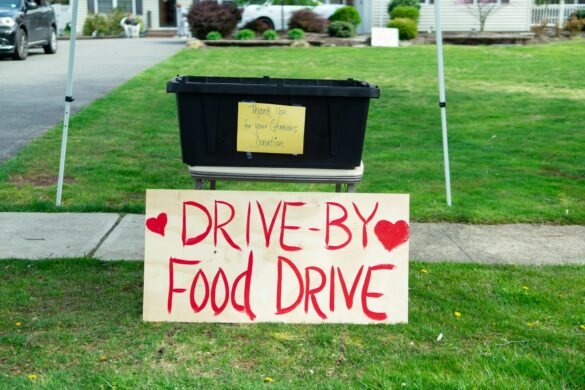
A food drive, neighborhood cleanup, care-package project, mentoring activity, or offer to help an older neighbor with yard work can become a tradition that teaches kindness through action.
Use Music, Art, and Stories to Bring People Together
Creative rituals are welcoming because there is no single right way to participate. Host a monthly talent night, start a shared family scrapbook, cook a relative’s recipe, read aloud, or invite grandparents to tell stories about their childhood. Children can draw pictures while adults talk, and teens can make a playlist that introduces everyone to their favorite songs. These activities also create easy bridges across generations. Programs that intentionally bring younger and older people together often use storytelling, arts, games, and shared learning because each person has something to contribute. An intergenerational shared site is one example of a model built around meaningful contact between age groups.
Make Room for Faith, Values, and Personal Beliefs
Values are usually taught best through consistent actions rather than long lectures. Families may practice gratitude, quiet reflection, prayer, worship, reading meaningful passages, or simply discussing what kindness and fairness look like in everyday situations. The goal is not agreement on every detail. It is creating a home where questions can be asked respectfully. Shared values can guide how family members treat classmates, coworkers, neighbors, and strangers. They can also help families decide which traditions are worth protecting when life gets busy.
Plan Community Activities That Work for Different Ages
Choose activities with more than one way to take part. Toddlers can carry napkins to a picnic. School-age children can help organize a game. Teens can lead music, technology, or planning. Adults can coordinate transportation, while older relatives can share skills and stories.
- Visit a park, community garden, library event, or neighborhood gathering.
- Plan a board-game afternoon or shared cooking night.
- Take a walk and make a point of greeting neighbors.
- Consider transportation, weather, mobility needs, cost, and schedules before committing.
How Schools, Faith Groups, and Neighborhoods Can Help
Trusted local groups can make connections easier by offering volunteer days, family celebrations, listening sessions, parent-led activities, and flexible event times. The most welcoming programs ask families what would help them participate, then use that feedback to shape plans.
A Simple Seven-Day Connection Plan
- Monday: Ask each family member one meaningful question.
- Tuesday: Share a phone-free meal or snack for 20 minutes.
- Wednesday: Take a short walk and greet a neighbor.
- Thursday: Share a song, story, recipe, or family memory.
- Friday: Play a game or make something together.
- Saturday: Attend a local event or complete a small service task.
- Sunday: Reflect on the week and choose one habit to repeat.
Common Questions About Family Rituals
What if we have very little free time?
Start with five or ten minutes. A brief routine that happens regularly is more useful than a large event that rarely fits the calendar.
Do rituals need to include religion?
No. Faith can be an important part of family life, but shared meals, gratitude, service, reading, and conversation work for families with many beliefs or none.
How can teens participate without feeling forced?
Offer choices and ask teens to lead part of the activity. Let them pick the music, choose the service project, or suggest the conversation question.
What if relatives live far apart?
Try video calls, online game nights, mailed recipes, shared playlists, or a monthly photo-and-story exchange.
How to Keep Rituals Fresh in 2026
Rotate who chooses the activity, adapt traditions as children grow, and use technology when distance makes it helpful. At the same time, protect some screen-free moments. Invite friends or neighbors when it feels natural, but keep the focus on presence, kindness, and shared memories. The strongest rituals are not perfect. They are the ones that remind people they belong.
Conclusion
Strong family traditions are built through consistency, not perfection. The most meaningful rituals are often the simplest ones: sharing a meal, serving others, taking a walk, telling stories, or setting aside time to talk without distractions. As children grow and family schedules change, these routines can adapt while continuing to provide stability, connection, and a sense of belonging. Communities, schools, and faith organizations can also strengthen these efforts by creating opportunities for families to learn, volunteer, and celebrate together. Rather than trying to fill every weekend with major events, focus on small moments that everyone can realistically repeat. Over time, those ordinary experiences become lasting memories, strengthen relationships, and help create a home where every family member feels valued, supported, and connected.