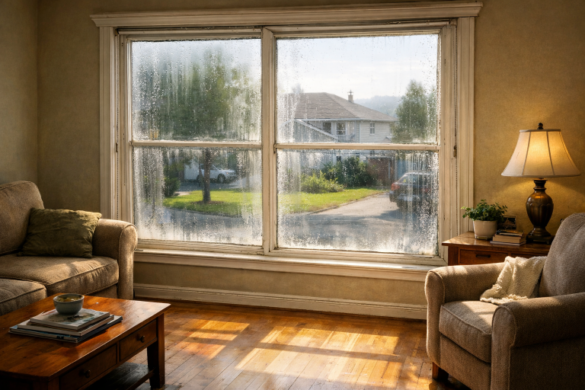
Water damage can be one of the most costly and disruptive issues a homeowner may face, impacting everything from the stability of your home to your family’s health. Whether caused by leaking pipes, faulty appliances, or nature’s elements, water intrusion requires swift attention and a comprehensive approach to protect your investment. Quick action in the event of water intrusion is crucial, as lingering moisture not only damages building materials but also creates the perfect environment for mold to thrive. If you encounter water disasters, professional water restoration damage services can play a critical role in minimizing loss and safeguarding your home.
Unfortunately, many homeowners accidentally overlook key preventive measures or make mistakes that increase the risk of long-term complications. Ignoring or mishandling water damage can expedite mold growth, which not only threatens your property but may also lead to significant health problems for those living in the affected space. Understanding the close connection between prompt water damage response and the need for effective mold removal can make all the difference in keeping your environment safe and sound.
Neglecting water damage even for a short period gives mold spores the opportunity to proliferate. The humid environment left behind after a leak or flood is a breeding ground for mold, making expert intervention often necessary. Learn more about effective and local help for mold removal Austin to protect your home and family from unseen dangers.
Regular Plumbing Inspections
A proactive approach to plumbing can save you from significant repairs and unpleasant surprises. Inspect pipes under sinks, around toilets, and behind appliances at least twice a year. Look for condensation, corrosion, and any signs of slow leaks. Even a minor drip can cause extensive water damage and promote rapid mold formation if left unchecked. Addressing plumbing issues early also helps prevent higher water bills and wasted resources.
Maintaining Appliances
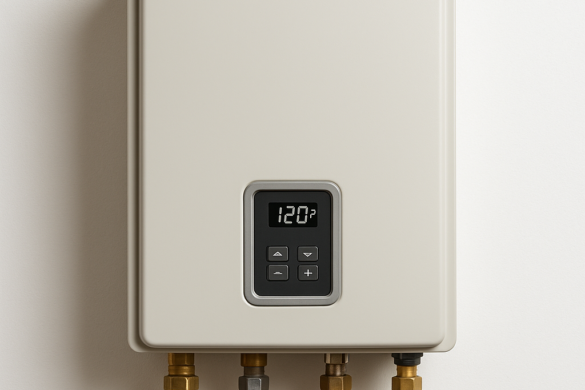
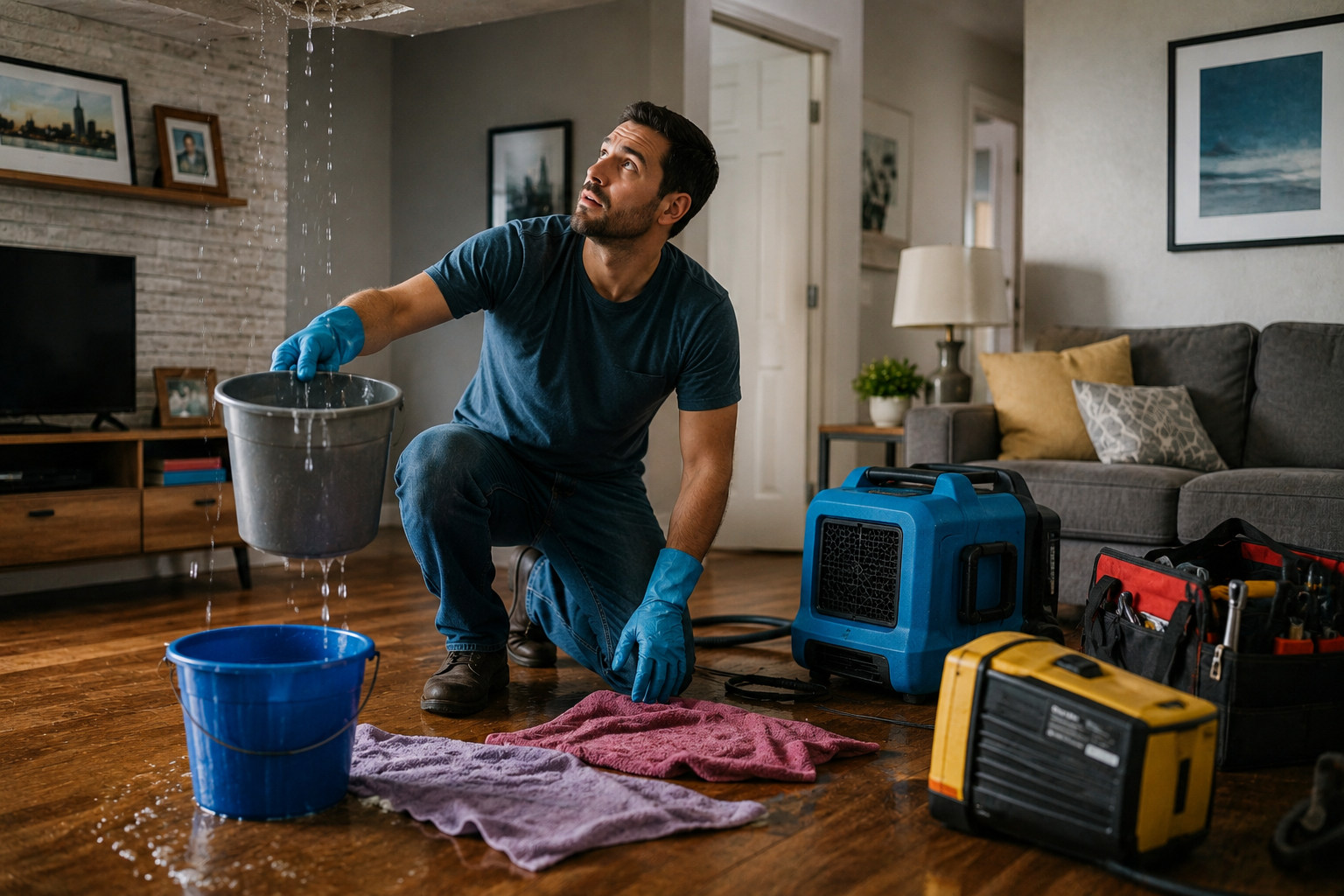
Household appliances such as dishwashers, washing machines, and water heaters are common sources of indoor water damage. Without routine maintenance, hoses and fill lines can degrade or rupture, leading to unnoticed leaks behind or beneath appliances. Use quality hoses, inspect connections, and replace parts as recommended by manufacturers. Taking these precautions helps you avoid not only property loss but also the persistent moisture that mold needs to survive. Consumer Reports offers solid tips on extending appliance life and preventing related water damage.
Ensuring Proper Drainage
The way water is managed around your home’s exterior is just as vital as what happens inside. Improper drainage or poor grading allows water to collect around the foundation, leading to basement leaks and gradual structural issues. Downspouts and gutters should direct rainwater well away from exterior walls, and landscape grading should encourage runoff to move away from your foundation. Accumulated moisture outside can seep through cracks and set the stage for costly interior water damage and subsequent mold risks. The Environmental Protection Agency provides useful resources on proper grading and drainage.
Protecting Pipes During Cold Weather
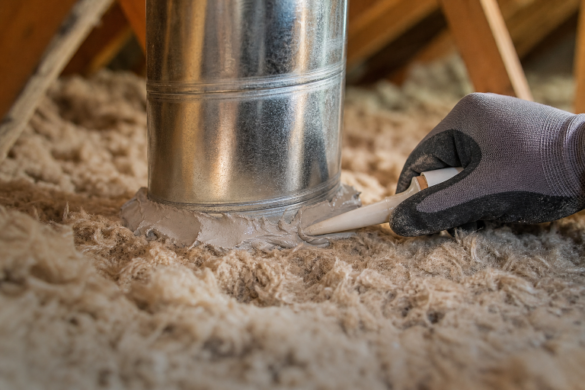
Cold climates present a specific threat to pipes, as freezing water expands and can cause pipes to burst. To prevent this, insulate exposed plumbing in attics, crawl spaces, and exterior walls. During harsh freezes, let faucets drip and keep your thermostat set to at least 50°F to keep water moving. These simple habits can avert major disasters, sparing you from not only immediate water cleanup but also long-term issues tied to mold growth in hidden spaces.
Monitoring Water Bills
A sudden jump in your water bill often signals an undetected leak. Track monthly usage and compare year-over-year numbers. Unexplained increases should prompt a thorough inspection, as finding and fixing a hidden leak quickly can prevent major water damage. Early detection is key to preventing mold from becoming established.
Installing Water Detection Devices
Smart water sensors are a homeowner’s best friend in the fight against leaks. Install these devices under sinks, behind washing machines, and in basements. When water is detected, you’ll be alerted immediately, giving you a critical head start to control the damage. Prompt removal of moisture reduces the risk of mold spores multiplying and lowers long-term restoration costs.
Properly Maintaining Roof and Gutters
The integrity of your roof and gutter system directly impacts your home’s defense against water intrusion. Regular inspections reveal missing shingles, loose flashing, or clogged gutters, all of which can result in leaks and interior water damage. To ensure gutters are properly directing water away from your property, clean them twice a year and check downspouts for blockages. Maintenance here means fewer opportunities for water to seep in and for hidden mold to develop, particularly in areas like attics and wall cavities.
Conclusion
Proactive, regular maintenance forms the foundation of water damage prevention and helps ensure your home remains healthy and valuable. When water issues do strike, immediate action can minimize costs and greatly reduce the chances of extensive mold infestation. By staying vigilant and addressing repairs right away, you protect both your property and your well-being from the significant hazards posed by water damage and uncontrolled mold growth.