






Odd Culture
  • Home
  • About
  • Travel
  • Business
  • Auto
  • Fashion
  • Entertainment
  • Tech
  • Love
  • Wellness
  • Sport
  • Education
  • Home
  • Shopping
  • Contact

Odd Culture

  • Home
  • About
  • Travel
  • Business
  • Auto
  • Fashion
  • Entertainment
  • Tech
  • Love
  • Wellness
  • Sport
  • Education
  • Home
  • Shopping
  • Contact
Christmas Murder Mystery

Christmas Murder Mystery

Funny Good Morning Humour

Funny Good Morning Humour

What is Hamstering

What is Hamstering

Shane Gillis Net Worth

Shane Gillis Net Worth

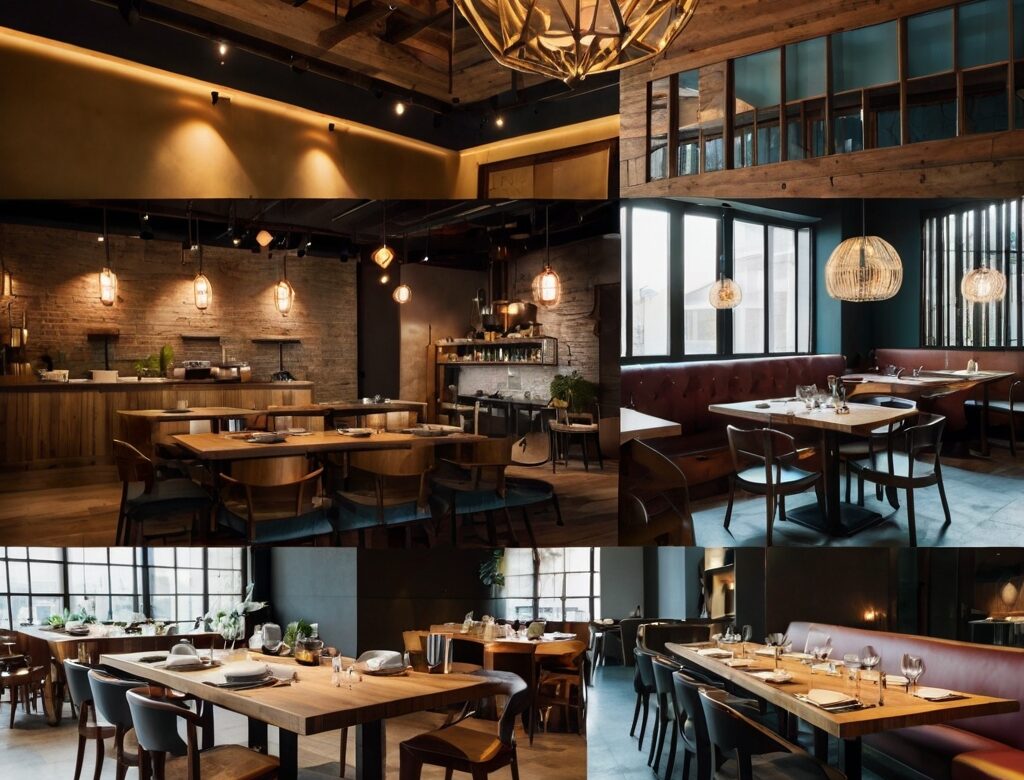
Restaurant Themes

Restaurant Themes

Chamath Palihapitiya Net Worth

Chamath Palihapitiya Net Worth

Jett Puckett Net Worth

Jett Puckett Net Worth

Is Henry In The Bible

Is Henry In The Bible

airpods a2031

AirPods a2031

    BusinessHome

    The Financial Reality of Choosing Family Time Over Career Advancement

    Putting your career on hold to be there for your children is a huge decision. For many parents and foster carers, the pull of being present for the school gates, the scraped knees, and the bedtime stories is stronger than any promotion. But stepping off the career ladder, even temporarily, comes with a real financial hit that goes far beyond a missing pay cheque at the end of the month. Getting to grips with this new financial world is essential before you take the leap.

    The Financial Reality of Choosing Family Time Over Career Advancement

    Getting the Sums Right for the Short Term

    The first thing you will notice is the money. A household income can drop sharply when one person stops working or cuts their hours. This isn’t just about the basic salary disappearing; it’s the loss of bonuses, overtime, and other financial perks that often make a big difference. Before anything else, you need to get the calculator out and run the numbers. How much income will actually be gone? Can your household still comfortably cover the mortgage, the bills, and the weekly shop on what’s left?

    For foster carers and even self-employed Form F assessors who work with an agency like thefca.co.uk, the financial picture is different again. The allowances carers receive are there to cover the child’s needs, from new shoes and school trips to pocket money. These payments are not a wage. If you leave a career to provide full-time care, you are personally taking the income cut, as the allowance is rightly ring-fenced for the child you look after. And if you are self-employed, you will need to guarantee a monthly income yourself.

    But it is not all about lost cash. You will likely spend less in other areas. Childcare bills can be one of the biggest expenses for working families, and this cost may vanish completely. You will also save on the daily commute, work clothes, and those bought lunches that add up. A realistic budget, factoring in both the lost earnings and these new savings, will give you an honest idea of the financial adjustment ahead.

    The Lasting Effect on Careers and Pensions

    It is easy to focus on the immediate cash crunch, but the long-term damage to your career and pension can be much harder to fix. Taking a few years out means your professional momentum grinds to a halt. You are out of the loop for pay rises and promotions, and you miss out on the day-to-day experience that keeps you relevant. Trying to get back into the workforce can be tough. You might need to retrain, and you could find yourself going for jobs at a level you left behind years ago, permanently lowering what you earn for the rest of your working life.

    The impact on your pension is another critical point that is often missed. When you stop working, your pension contributions stop. Not just yours, but your employer’s too. This doesn’t just mean less money goes in; it means you lose years of potential growth, where your money starts making more money for you over time. A five-year gap in your thirties can leave a surprisingly large hole in your retirement pot. Foster carers who are classed as self-employed have the sole responsibility for their own pension planning and National Insurance contributions, a task that can easily be forgotten when there is no HR department to handle it.

    Finding Out About State Support

    Losing a chunk of your household income might open doors to government help you could not get before. It is absolutely worth looking into what support might be available. Most parents can claim Child Benefit, and if your income drop takes you below the high-earner threshold, you may become eligible for the full amount again. Universal Credit is another key benefit, calculated on your household’s overall income. A significant change in earnings could make you eligible for this monthly payment to help with living costs.

    A key piece of information for foster carers is that fostering allowances do not count as income when working out your eligibility for most benefits. This is a vital detail. It means foster carers who have stopped working to look after a child can, and should, check if they can claim Universal Credit based on their personal circumstances. Both parents and foster carers should also get in touch with their local council to ask about Council Tax Reduction schemes, as this can provide further relief.

    Making a Strategic Plan to Return to Work

    A gap on your CV does not have to be a deal-breaker when you decide to return to work. If you plan ahead, you can frame your time away as a period where you gained valuable new skills. Running a home and raising children involves serious budgeting, organisation, and negotiation. These are skills every employer values.

    The experience of being a foster carer, in particular, builds a unique and powerful skillset. You learn to be an advocate for a child, to work effectively with social workers and schools, and to manage complex situations with patience. Think about how to present this on your CV. Your confidence might have taken a knock after being away from an office environment, so take small steps to rebuild it. An online course, some local volunteering, or even just meeting an old colleague for a coffee can help you feel connected again. Keep an eye out for ‘returnship’ programmes, which some companies run specifically to help people get back into their careers.

    Making it Work Financially

    So, how do you make this work without facing a future of financial worry? Being proactive is the answer. Look into flexible working, part-time roles, or freelance gigs that can bring in some money while still giving you the family time you want. This also keeps a hand in your profession and makes a full return to work later feel less daunting.

    Try to dedicate a little time to keeping your professional knowledge from going rusty. Reading industry news or doing a short course can make all the difference. On the money front, have an open conversation with your partner, and perhaps a financial advisor, about the long-term plan. If you can possibly afford it, keep putting something, even a tiny amount, into a personal pension. A small, regular contribution is far better than a complete stop, as it will continue to grow over the years.

    Making the Right Decision

    There is no doubt that choosing to be there for your family is a decision that pays back in ways money cannot measure. The personal rewards are huge. But it is a choice that needs to be made with your eyes wide open to the financial side of things, both now and for the future. By budgeting carefully for today and having a smart plan for tomorrow, you can build a life that values your family without giving up on your own financial security.

    The Financial Reality of Choosing Family Time Over Career Advancement was last modified: December 1st, 2025 by Chris Valentine
  • Small Bathroom? A 30-Inch Vanity Can Change Everything
    ConstructionHomeHome DesignHome Improvement

    Small Bathroom? A 30-Inch Vanity Can Change Everything

    Updating a bathroom always starts with one key decision: choosing the right vanity. If you want something that looks great, fits comfortably in most spaces, and still gives you practical…

  • Small Business Software
    BusinessInnovation

    Setting Up Categories and Tags in Small Business Receipt Software

    Receipt organization is an important aspect of the life of a small business to control its finances correctly. Receipt categorization and tagging in receipt software help you track expenses more easily,…

  • Many construction professionals approach roof access as simply a necessary evil; a metal door or hatch that gets the job done. However, there's a compromise to be had that an increasing number of architects and building designers are including in their plans: glazed hatches that function both as access and light sources. It's a concept no one truly invents but suggests to fun surprise for people who didn't think of it in the first place. It's a simple concept, really. Where there would ordinarily be a metal hatch to gain roof access, one with glazing is installed to allow natural light to pass through. In the right context, it solves two issues simultaneously: roof access compliance while also accounting for lighting challenges in interior spaces like stairwells, mechanical rooms, or top floor corridors that would otherwise be dark during daylight hours. When This Works There are plenty of buildings that don't warrant a glazed access. A warehouse open to many windows and overhead lighting won't benefit too much from a transparent hatch. Yet many commercial buildings struggle with lighting in certain conditions, and this is where the opportunity is realized. For example, interior stairwells are the most common use. Fire codes call for such spaces; however, they can easily be completely enclosed without any outside walls. This begs the necessity for artificial lighting 24/7. A glazed hatch at the top of the stairwell, however, changes the game significantly, allowing natural light to filter down during daytime hours, reducing energy costs and making the often sterile situation - people using stairs multiple times a day, much less institutional. In addition, penthouse mechanical rooms find similar challenges. HVA systems, elevator machinery and countless building systems are constantly on the roof and require regular inspections and repairs. These technicians benefit from additional lighting as do building managers wanting to control electricity bills from keeping lights on in these spaces. Even high-end residential builds utilize this layout option too, although strictly from an aesthetic perspective where roof deck access is adjacent to the common areas of those top floors. Yet, practical benefits still reign concerning lighting. Where This Becomes Complicated But where this becomes less simple than logical construction professionals might assume is from an engineering perspective; a roof hatch skylight needs to act like any regular access hatch functionally as well as independently concerning weatherproofing, structural loads and thermal performance. For example, weight becomes an immediate factor of concern. Glass is significantly heavier than insulated metal. This impacts both how the hatch itself opens and closes in addition to the structural support needed underneath it. The hardware utilized to open and close needs to be rated for the additional load. Additionally, single panel designs allow for better control than multi-panel ones but sacrifice some freedom of shape and opening width. Thermal performance needs assessed in detail. Glass does not thermally perform the same as insulated metal. The perimeters sealing the glazed panels need to be inspected for water infiltration and thermal bridging. Low-e coatings aid in energy efficiency to cut costs but add expense with specialized maintenance measures as well. In addition, climates that face extreme temperature differentials warrant condensation concern; a staircase shouldn't be doused with dripping water when folks are trying to get to work on a chilly morning. There's also no negotiation for safety glazing. With impacts, snow loads and even dropped tools occurring during inspections, these hatches need tempered or laminated glass that can withstand outside forces; some locations require certain ratings depending on where these buildings are located and what their occupancy is rated for. Additionally, UV protection is necessary to prevent seal deterioration. What's Unexpected About Maintenance Reality sets in with maintenance expectations that otherwise have not been contended with regarding solid hatches. A glazed hatch will need cleaning on both sides. Exposed glass inevitably faces dirt, bird droppings and even minerals left over from rainwater. An urban public building faces additional air pollution. Therefore, after a while, that transparency that makes these hatches useful becomes less so, and project owners seldom think about this beforehand. They think about installation costs versus immediate benefits and don't factor in safe means of accessing the interior side to polish up what needs cleaned on the exterior, someone has to go up onto the roof while someone has to be on the stairwell (depending on its layout) to clean up what's accumulated. Seal inspections are increasingly necessary with these designs. Water infiltration around glass shows faster than around metal hatch openings, and this is beneficial in some ways because it identifies problems early; however, it causes increased frequency of inspections and possibly maintenance work across the hatch's lifespan. Furthermore, lubrication is necessary at adjustment hardware levels. The extra weight associated with a glazed hatch exerts increased stress on hinges, gas struts and latching mechanisms. They wear down faster than lighter metal options and necessitate more attention for smooth operation. The Money Question Glazed hatches cost more than a standard metal one. This is hardly shocking but the actual price difference shocks many customers implementing this option down the line. Depending on size and specs, budget 40-60% more for a comparable glazed unit, and custom sizes and extreme performance characteristics increase that number even further. This initial investment must make sense based upon energy savings associated with decreased artificial lighting; in spaces where nothing but lights would be expected to run for 12-14 hours in one single breath, glazed hatches create a reasonable payback period, typically 5-8 years for commercial applications with higher payback periods set in higher cost energy markets. However, energy savings fail to quantify reality. Aesthetic value comes into play across certain building types, naturally lit stairwells leading up and down through Class A Office buildings or luxurious towers turn up quality of life factors that don't directly impact utility bills for tenant satisfaction but warrant increased lease payments. When Standard Metal Makes Sense Conversely, there are many situations that do not warrant any sort of glazed hatch at all; industrialized facilities operating 24/7 operate lights all the time, even during daylight hours, so natural light means little. Buildings over extremely harsh climates find aesthetic appeal trumped by increased maintenance costs that nullify energy savings ability altogether. In addition, security concerns plummet any possibility of transparent roofs for appropriate access. Finally, and probably most understandably, budgetary concerns trump everything. Not every project can afford such choices; a solidly designed standard hatch could get its job done just fine if maintained effectively over time. It's better to have the right tool for the job specific to its needs than attempt to trend its designs when functionality is paramount. Making it Work For situations where glazed hatches make sense, getting all the details during planning phase prevents pitfalls later; involving the architect and structural engineer along with building management early on provides multiple perspectives into how this design will function over time. Specification matters more with glazed units than standard hatches; generic specs that are fine for metal hatches fail on critical performance requirements for glass installations. Thermal ratings, glass makeup, hardware capabilities and maintenance accesses need specific emphasis in project documentation. An installation team experienced with these products is also non-negotiable; a team that constantly installs metal hatches may lack the requisite glazing installation and waterproofing experience; showing issues quickly, which manifest as condensation or leaking, doesn't give anyone confidence in who put it together if it was cavalier about its potential problems in the first place. Yet when all these players come together effectively, glazed roof hatches provide exactly what they set out to: functional access providing natural light to spaces that would benefit most from it when they necessarily have to be there anyway. It all comes down to whether or not it's appropriate as sounding good on paper isn't enough if it's not going to serve an actual purpose instead.
    ConstructionHome DesignHome ImprovementHome Maintenance

    When Natural Light Meets Roof Access: The Glazed Hatch Advantage

    Many construction professionals approach roof access as simply a necessary evil; a metal door or hatch that gets the job done. However, there’s a compromise to be had that an…

  • How Roof Lanterns Make Kitchen Extensions Work Better
    BusinessConstructionHomeHome Design

    How Roof Lanterns Make Kitchen Extensions Work Better

    Kitchen extensions are the primary way to add space in UK homes today. For terraced or semi-detached houses, kitchens can only extend out so far, otherwise, they intrude into the…

Older Posts
Newer Posts

Latest Posts

  • Pittsburgh divorce lawyer

    Pittsburgh Divorce & Family Law, LLC: Compassionate and Expert Legal Representation

    June 11, 2026
  • window replacement

    8 Signs It’s Time to Replace Your Home’s Windows

    June 9, 2026
  • Experience Seoul Like a Local

    Best Ways to Experience Seoul Beyond Landmarks

    June 6, 2026
  • Amish roofers

    Affordable Roofing Materials: Quality and Value from Amish Roofers

    June 5, 2026
  • illustrated children's book

    Top 7 Illustrated Children’s Book Publishers in 2026

    June 5, 2026

Popular Posts

  • 1

    A Hippie Named Marcy – 1967 – A Child Again

    November 18, 2012
  • 2

    5 of the Best European Golf Holiday Destinations

    November 10, 2015
  • 3

    How to dress up as an Asian man

    September 26, 2019
  • 4

    Revolutionary Anti-Aging Alternatives

    April 30, 2020
  • 5

    Good as New: 4 Tips for Buying Refurbished Electronics

    February 7, 2019

Find Us On Facebook

Facebook

Tags

auto bizarre business cannabis car Company design education entertainment family fashion finance finances Funny Videos gambling games gaming health home home improvement house insurance Law lawyer legal life love marketing money Music Odd Deaths Odd News online safety shopping sports style tech technology tips trainwrecks travel Trip Vehicle wellness

Pages

  • Home
  • About
  • Contact

Keep in touch

Facebook Twitter Instagram RSS
Copyright © 2013 Odd Culture. All Rights Reserved.