







Maximizing Living Space Without Expanding Footprint
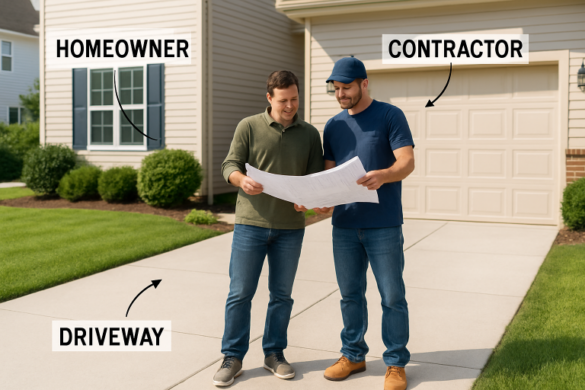
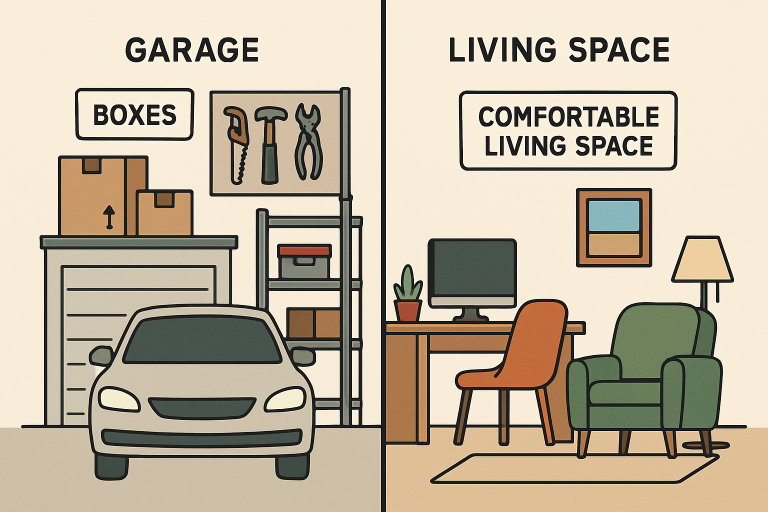
One of the primary motivations for garage conversions is the desire to increase living space without altering the home’s existing footprint. This approach is particularly appealing in urban areas where property expansion is limited. By repurposing garages, homeowners can create additional rooms such as home offices, gyms, or guest suites, effectively utilizing every square foot of their property.
For instance, Solid Construction & Design, a reputable remodeling company based in Sacramento, specializes in transforming underutilized garages into exceptional living spaces. Their expertise in garage conversion in Sacramento has helped numerous homeowners maximize their existing space without extensive renovations. Serving areas including Antelope, Applegate, Arden Arcade, and Auburn, they offer tailored solutions to meet diverse needs.
Not only do garage conversions offer spatial flexibility, but they can also appeal to a variety of personal preferences and family requirements. Some homeowners choose to transform their garage into a creative studio, art space, or even a rental unit, providing both economic benefits and greater functional variety. The possibilities for how individuals utilize this space are nearly endless, from crafting a cozy den for quiet relaxation to realizing a cheerful children’s playroom. This flexibility means that as family needs change, a garage conversion can adapt accordingly, offering enduring value over the years.
Economic Advantages of Garage Conversions
Converting a garage can be a cost-effective alternative to building new additions. The existing structure provides a foundation, walls, and a roof, reducing construction expenses. Additionally, a well-executed garage conversion can add 10-15% to a home’s market value, making it a worthwhile investment that enhances daily life while building equity. Plus, when it comes time to sell, homeowners typically recoup around 80% of the project’s cost.
With the rising cost of real estate, maximizing your existing home’s value is more important than ever, and garage conversions are among the smartest and most efficient investments. Whether for multi-functional uses like hobby rooms or rentable spaces that generate passive income, homeowners can experience significant returns. The financial upside can be important not only for those looking to sell soon, but also for long-term dwellers hoping to improve both quality of life and resale value. Additionally, compared to more traditional remodels, garage conversions generally have shorter construction timelines, which means homeowners start seeing their return on investment and enjoying their new space much sooner.
Adaptation to Modern Lifestyles
The shift towards remote work has increased the demand for dedicated home offices. Garages offer a secluded environment, ideal for creating a productive workspace away from household distractions. Similarly, fitness enthusiasts are transforming garages into personal gyms, creating convenient, private spaces for exercise.
In today’s era, where flexibility and work-life balance have become priorities, garage conversions uniquely fit the bill. Some conversions feature soundproofed walls, built-in storage, and modern climate control, further enhancing functionality. Others take advantage of the separation garages provide to create creative studios for artists, recording studios for musicians, or peaceful retreats for reading and meditation. The adaptability of the space ensures that whatever lifestyle changes occur, a growing family, evolving work-from-home needs, or new hobbies, the converted garage remains a practical and comfortable asset.
Multigenerational Living Solutions
As families evolve, the need for multigenerational living spaces has become more prevalent. Garage conversions can serve as in-law suites or independent living areas for adult children, offering privacy while keeping family members close. This solution addresses the growing trend of extended families living together under one roof.
Moreover, with the rising costs of assisted living and elder care, many households are seeking more integrated ways to support aging relatives. A garage apartment or suite provides comfort and autonomy to older family members, while still keeping them nearby for support and companionship. This arrangement can foster closer family ties and can enable shared resources such as meals, transportation, and caregiving, providing peace of mind for all generations. Additionally, as younger adults seek affordable housing in competitive markets, having a separate living space can be a significant advantage for launching independence while retaining familial support.
Energy Efficiency and Sustainability
Modern garage conversions often incorporate energy-efficient features such as proper insulation, energy-efficient windows, and sustainable materials. These enhancements not only create comfortable living spaces but also reduce energy consumption and lower utility bills.
Many homeowners choose to upgrade outdated garage doors with insulated, energy-rated models and install LED lighting or smart climate controls. Using recycled or eco-friendly building materials further lessens the environmental impact, while high-efficiency appliances make the converted space both green and cost-effective. Over time, these decisions can lead to noticeable savings on energy bills and align with broader efforts to make homes more sustainable and environmentally responsible.
Legal and Zoning Considerations
Before embarking on a garage conversion, it’s crucial to understand local zoning laws and building codes. Some municipalities have specific regulations regarding such transformations, including requirements for permits and adherence to safety standards. Consulting with professionals can ensure compliance and a smooth conversion process.
Addressing these legal and regulatory hurdles early on is critical. Experienced contractors often assist with navigating these processes, including ensuring fire safety compliance, adequate egress points, and adherence to minimum ceiling height standards. In some jurisdictions, adding plumbing or kitchen facilities may trigger additional permitting requirements or inspections. Homeowners should conduct thorough research or partner with knowledgeable professionals to prevent costly delays or the need for future modifications to bring the space up to code.
Challenges and Considerations
While garage conversions offer numerous benefits, they also present challenges. Issues such as adequate ventilation, natural lighting, and maintaining structural integrity must be addressed. Additionally, the loss of a dedicated parking space may impact property value in areas where parking is at a premium.
Another potential challenge is providing adequate thermal comfort and soundproofing, especially if the original garage was not intended for habitation. Homeowners must also plan for potential impacts on neighborhood aesthetics or homeowner association covenants. It’s important to thoughtfully plan the flow between the converted garage and the main living space to create a seamless extension rather than a disjointed addition. With careful planning, however, these challenges can often be overcome, leading to a finished space that truly enhances the home.
Final Thoughts
Garage conversions are redefining home use, offering versatile solutions to meet homeowners’ evolving needs. Whether creating additional living space, accommodating multigenerational families, or enhancing energy efficiency, these transformations provide a practical and economical way to maximize a property’s potential.
As the value of functional and flexible spaces continues to rise, garage conversions stand at the intersection of innovation, affordability, and practicality. With thoughtful design and planning, any garage can be transformed into a vital, vibrant part of the home, supporting families, individuals, and communities for years to come.