Choosing a facial treatment in Portland, Oregon, starts with understanding what your skin needs, not simply booking the newest service on a menu. Whether you are dealing with winter dryness, clogged pores after humid summer days, or a complexion that feels tired after a busy workweek, a trusted facial and massage spa can help you explore options that fit your goals and comfort level.
Portland’s changing weather, frequent rain, cool temperatures, and occasional sunny stretches can all affect how skin feels throughout the year. The right approach should account for your skin type, tone, current routine, schedule, and willingness to manage temporary redness or peeling.
Start With Your Main Skin Goal
Treatment names can be confusing, so begin by identifying one or two outcomes that matter most. You may want smoother makeup application, calmer breakouts, better hydration, less visible dark spotting, or softer-looking fine lines. Separate a short-term refreshed appearance from a longer-term correction plan, because one appointment rarely resolves every concern. Painful acne, spreading rashes, eczema flares, or persistent irritation may need medical attention before cosmetic treatment.
Match Concerns To Treatment Types
For Dullness, Dryness, And Mild Roughness
Hydration-focused facials and gentle exfoliation can help lift surface buildup and leave skin looking more refreshed. These lower-intensity choices can be appealing during Portland’s colder, damper months, when indoor heat and brisk outdoor air may leave skin feeling tight. People researching hydrafacial Portland, Oregon should still ask what steps are included, whether exfoliation is adjustable, and what level of visible recovery is likely.
For Clogged Pores And Oily Skin
Cleansing, carefully performed extractions, and non-irritating exfoliation may help with congestion. Avoid the temptation to scrub aggressively or squeeze blemishes at home, since both can increase inflammation and raise the chance of marks. Persistent or cystic acne deserves a dermatologist’s evaluation, especially if breakouts are painful or beginning to scar.
For Uneven Tone And Dark Spots
Superficial peels, light-based treatments, and a consistent professional skincare plan may be considered for uneven tone. Results depend on the cause of discoloration and how carefully the skin is protected afterward. The risk of dark spots after acne inflammation is particularly important to discuss when choosing exfoliating, peeling, or laser-based procedures for deeper skin tones.
For Fine Lines And Texture Changes
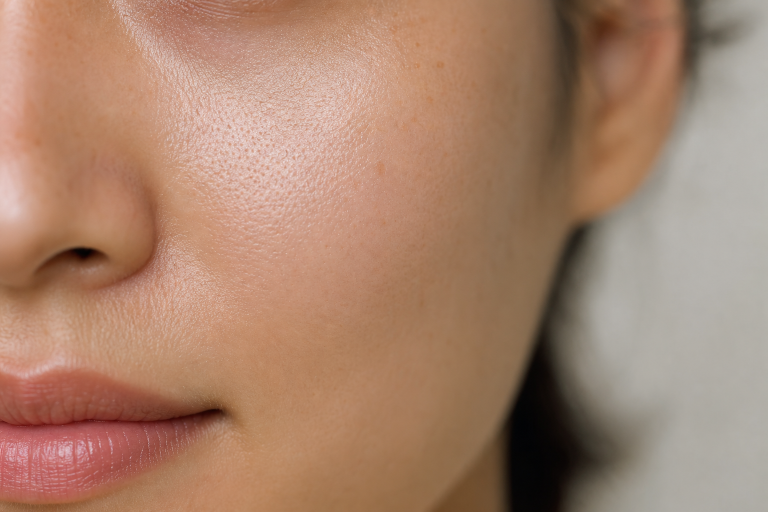
Professional exfoliation, microneedling, and certain light-based procedures may be options for texture concerns, fine lines, or some acne scars. These treatments often work gradually because the skin needs time to recover and remodel. A series of appointments may be more realistic than expecting a dramatic change after one visit.
Consider Skin Type And Tone
Sensitive, dry, oily, combination, acne-prone, and mature skin can react very differently to the same treatment. Tell the provider about rosacea, eczema, allergies, active breakouts, cold sores, prescription acne products, and any history of unusual scarring. People with skin that pigments easily should ask whether the provider routinely treats similar skin tones and how the plan reduces the risk of post-inflammatory color changes.
Compare Downtime And Comfort
Portland residents often plan treatments around work, school, outdoor events, weddings, and weekend trips to the coast or Gorge. Consider recovery before booking:
- Gentle facials: Often suited to hydration, mild congestion, and a temporary glow, with little to no visible downtime.
- Superficial peels: May help dullness, mild acne, and uneven tone, but can cause temporary dryness, flaking, or sensitivity.
- Microneedling: Often selected for texture and fine lines, with redness and tenderness that can last for a limited period.
- Light or laser treatments: May target pigment, redness, or sun-related changes, but recovery varies widely by device and intensity.
Use The Consultation Wisely
A good consultation should feel like a screening conversation, not a high-pressure sales pitch. Bring a list of your current products, medications, supplements, previous procedures, and known reactions. Ask what the treatment is designed to improve, how many sessions may be needed, what side effects are possible, how long results may last, and whether a simpler alternative could meet the same goal.
Prepare And Follow Aftercare
Before an appointment, avoid experimenting with new acids, retinoids, scrubs, or strong acne products unless a qualified provider advises otherwise. Mention recent sun exposure, tanning, cold sore history, and any past reactions. Afterward, keep your routine simple with a mild cleanser, plain moisturizer, and broad-spectrum sunscreen. Avoid picking, rubbing, direct heat, intense workouts, and strong exfoliants until the skin feels calm again.
Watch For Red Flags
- Promises of perfect, permanent, or guaranteed results.
- A treatment recommendation was made without discussing skin history or medications.
- Pressure to purchase a large package before you understand the plan.
- No explanation of risks, recovery, sanitation, or aftercare.
- Before-and-after photos that lack details about timing, lighting, or treatment conditions.
Build A Realistic Skin Care Plan
Professional treatments tend to work best alongside consistent home care. Cleanse gently, moisturize regularly, use sunscreen every day, and add active ingredients one at a time.
Frequently Asked Questions
How Should Someone Choose A First Facial?
Start with a clear concern, limited downtime, and a lower-intensity option when possible. A consultation can help determine whether hydration, gentle exfoliation, or congestion-focused care makes the most sense.
Is A More Expensive Treatment Always Better?
No. The right option should fit your skin condition, goals, budget, and recovery time. A more advanced procedure is not automatically necessary.
Should You Schedule A New Treatment Before A Special Event?
It is usually safer to choose a familiar, gentle treatment well before the event. Leave enough time for unexpected redness, dryness, or sensitivity to settle.
When Should You See A Dermatologist?
Seek medical advice for painful or persistent acne, worsening scars, unexplained rashes, recurring irritation, or rapidly changing skin concerns.
Conclusion
Choosing a facial treatment in Portland should come down to a clear goal, your skin’s individual needs, and realistic expectations. By considering treatment intensity, seasonal conditions, provider experience, and aftercare, you can choose an approach that supports healthier-looking skin without adding unnecessary stress to your routine.