Climate plays a significant role in how vehicles perform and age. Whether you drive daily in Calgary’s unpredictable weather or elsewhere in Canada, understanding these environmental challenges can help you prioritize vehicle care. For those who face regular hailstorms and severe weather events, consulting Calgary hail damage specialists can be a crucial step in maintaining your vehicle’s exterior and its value.
Every driver should understand how their local climate—whether extreme heat, cold, humidity, or precipitation—can accelerate wear on a vehicle’s engine, tires, electrical components, and other components. Adapting your maintenance habits to these conditions not only reduces unexpected breakdowns but also extends the lifespan of your vehicle, keeping you safer on the road.
Modern vehicles, ranging from traditional gasoline-powered cars to electric vehicles, respond differently to these environmental stresses. It’s crucial to customize your approach for preventive care, including seasonal checkups and targeted protection against rust, corrosion, and battery depletion.
By following expert advice tailored to your region, you can minimize expensive repairs and stay confident that your car is prepared for whatever weather comes your way.
Extreme Heat and Vehicle Performance
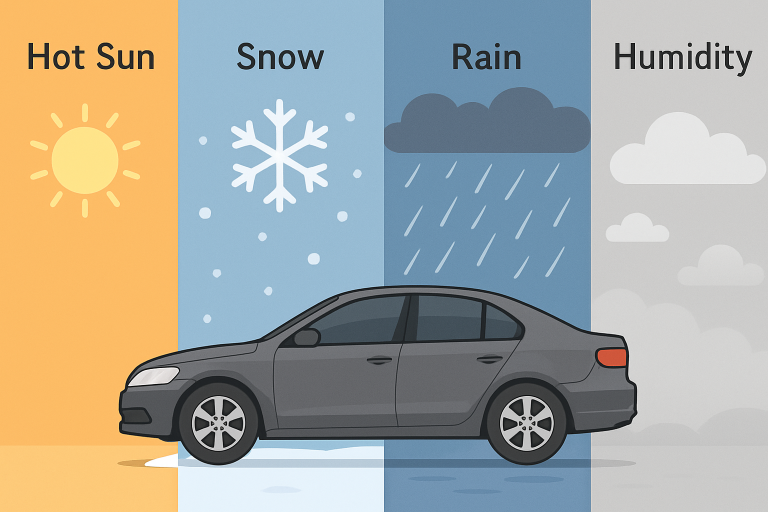
Prolonged periods of high temperatures can take a toll on critical vehicle systems. Engines are particularly vulnerable, as engine fluids like coolant and oil can evaporate or degrade more quickly, reducing their effectiveness and leading to overheating. Overheated engines are more prone to permanent damage, which can be costly to repair. Make it a routine to check your coolant level and radiator function before and during high-temperature seasons.
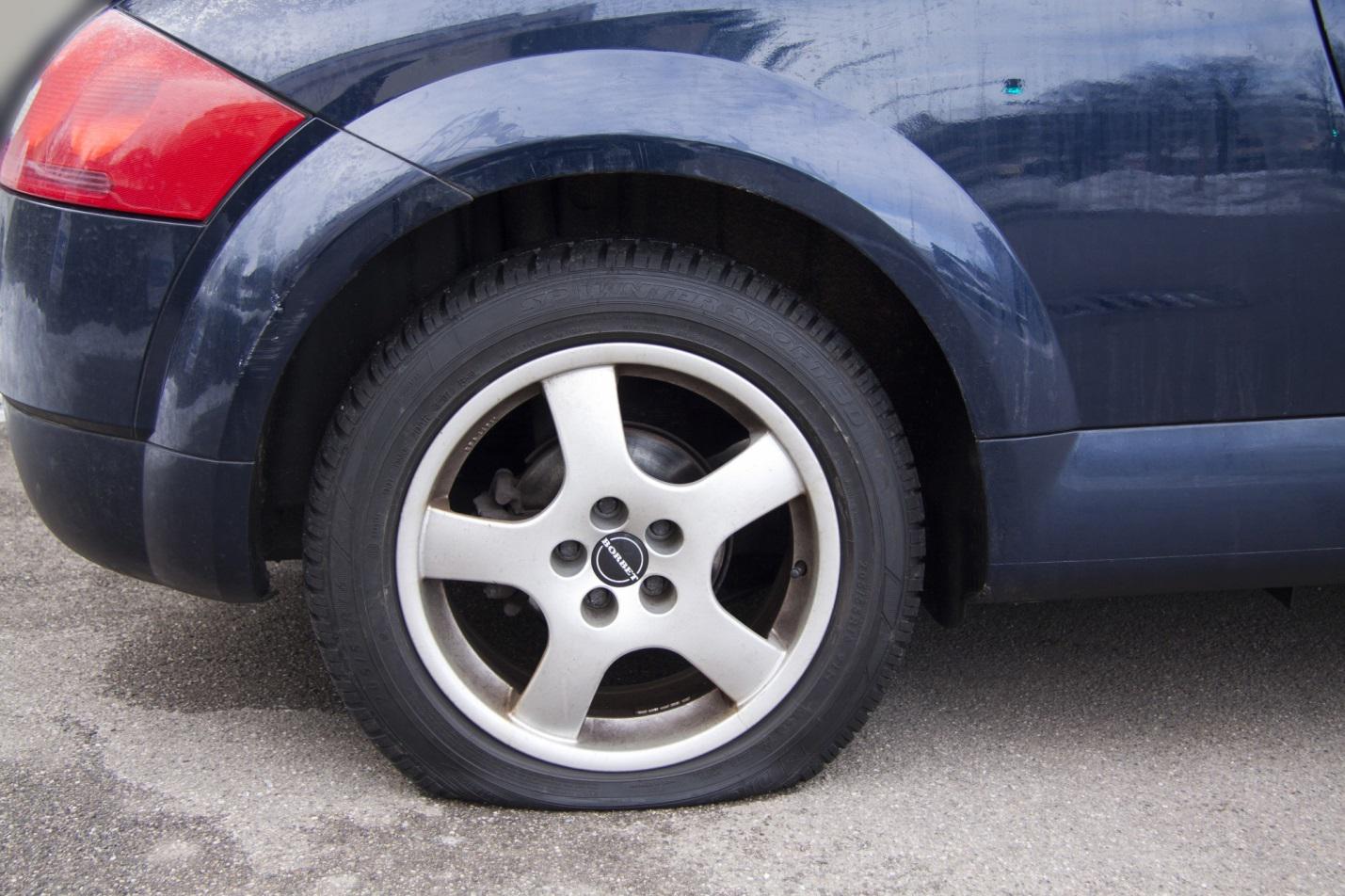
Besides engine components, heat also increases tire pressure, which, if left unchecked, may cause blowouts, especially during highway driving. Always monitor your tire pressure using a reliable gauge and adjust accordingly during heatwaves.
Freezing Temperatures and Cold Weather Challenges
Winter introduces its own set of difficulties. Sub-zero temperatures can cause engine oil to thicken, impeding lubrication and making it harder for engines to start. Car batteries are less efficient in the cold and can unexpectedly fail, leading to inconvenient breakdowns. Be sure to test your battery each fall and replace it every few years, especially in climates with harsh winters.
Freezing rain and snow can also create layers of ice on brake components and wipers. This ice buildup affects the performance of your braking system and visibility, making regular inspections critical. In addition to routine maintenance, using winter-specific oil helps ensure smoother engine operation and improved performance during the frigid months.
Humidity and Its Effects on Vehicles
Regions with consistently high humidity present unique risks. Metal components under your vehicle are at greater risk of rust when exposed to moisture for extended periods. Even inside the vehicle, high humidity can cause mold and mildew to develop, especially on upholstery and within the HVAC system. Electrical systems are also susceptible, as moisture can lead to shorts or corrosion of connectors. Regular undercarriage inspections, prompt drying of any water intrusion, and application of anti-rust coatings all help minimize these issues.
Precipitation and Corrosion Risks
Heavy rainfall and snow increase the likelihood of water seeping into the nooks and crannies of your vehicle, potentially leading to rust—especially on the undercarriage and wheel wells. In areas that use road salt as a de-icer, the risk of accelerated corrosion increases as salt accelerates the oxidation process. Washing your vehicle frequently in wet or snowy climates, particularly focusing on the undercarriage, helps prevent salt buildup and the formation of rust. Ensuring all drain holes are clear and functional after a storm or thaw also mitigates long-term damage.
Electric Vehicles: Climate Considerations
Electric vehicles respond differently to environmental stress compared to traditional vehicles. The most significant challenge for EV owners is battery efficiency during temperature swings, especially in winter. Studies show that freezing temperatures can decrease an electric vehicle’s driving range by 25% to 41%, depending on the vehicle and additional heating demands. Using preconditioning features—such as heating or cooling the battery and cabin while plugged in—helps reduce these effects. Additionally, parking in a garage or shaded area can prolong battery life during extreme heat or cold snaps.
Maintenance Tips for Different Climates
- Hot Climates: Check coolant levels frequently, inspect belts and hoses for signs of wear and tear, monitor tire pressure regularly, and verify air conditioning system performance.
- Cold Climates: Switch to winter-grade oil, regularly test your battery, ensure that your heating and defrosting systems work properly, and check your tires for adequate tread depth to handle slippery conditions.
- Humid Climates: Routinely inspect the undercarriage and body for rust, keep the vehicle’s interiors dry, and perform regular electrical system checks.
- Wet Climates: Wash and wax the vehicle regularly to remove salt and debris, paying extra attention to brake and suspension components. Also, inspect for water pooling or leaks after heavy rainfall.
Final Thoughts
Meeting the seasonal demands of your local climate with specific vehicle care routines is a vital part of responsible ownership. Weather-proofing your car through regular inspections, targeted maintenance measures, and expert repairs ensures safety, keeps repair costs in check, and ultimately extends the life of your vehicle. Being proactive, especially in extreme climates, means you’re always ready for the road ahead.