Restoring a home is an incredible journey—one that brings the character of the past and the comfort of modern living together under one roof. Whether you’re breathing new life into a historic residence adorned with centuries-old architectural details or bringing new purpose to a more recent structure with strong bones, each restoration project presents a unique opportunity to blend history and innovation. The process calls for a careful balance of preservation, creativity, and strategic planning. It involves not only honoring what makes your home special but also adapting it to enhance day-to-day living and meet future demands. If you’re seeking guidance and high-quality workmanship, it’s beneficial to connect with a reputable restoration company Woodinville for expertise tailored to your specific needs. The success of your restoration often hinges on the skill and experience of the professionals you choose to work with, especially when it comes to preserving the character of your home while making necessary updates.
Modern homeowners face unique challenges and opportunities as they restore their spaces—often balancing the charm of original craftsmanship with the demands of energy efficiency, modern technology, and flexible living. The following comprehensive guide features practical tips for all stages of restoration, empowering you to make informed decisions, avoid costly missteps, and create a beautiful, resilient home for years to come. Whether you are tackling a full-scale renovation or making gradual improvements room by room, these strategies can help clarify your priorities and maximize your investment.
Preserve Original Character
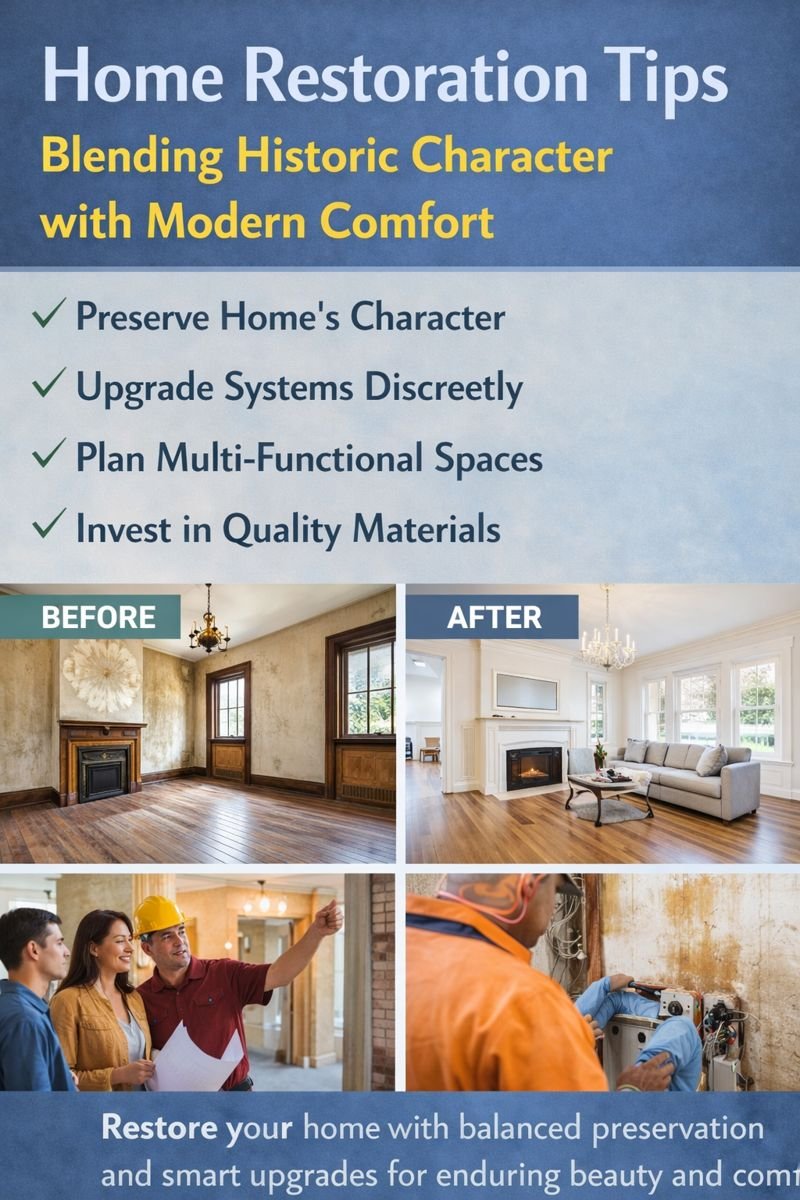
Your home’s unique features—such as original wood floors, moldings, built-in cabinets, leaded glass, and vintage fireplaces—are invaluable to its character and worth. Instead of replacing them, focus on restoring and emphasizing these elements as focal points. Light sanding, repairs, and cleaning can breathe new life into worn features, maintaining craftsmanship and charm. By respecting authentic details and adding modern accents, you create a timeless, layered aesthetic that feels comfortable and historically rooted. You can uncover faded wallpaper, restore woodwork, and polish hardware. Gentle restoration safeguards character while allowing your home’s story to evolve for future generations. This approach not only boosts your enjoyment but can also enhance its value if you decide to sell.
Update Systems Invisibly
Old electrical, plumbing, and HVAC systems might not comply with current safety and efficiency standards, potentially hiding hazards or inefficiencies. Upgrading these systems discreetly behind walls, floors, and ceilings enhances safety, comfort, and property value without altering the appearance of your home. For instance, rerouting wiring, refitting pipes, or installing central air conditioning can be performed without disturbing moldings, trim, or details. These improvements guarantee safety and dependability while maintaining your home’s original charm.
Incorporate Energy-Efficient Upgrades
Energy efficiency upgrades during restoration are wise investments that cut costs and lessen environmental impact, all while enhancing comfort. Popular approaches include installing double-glazed windows, adding insulation to attics and walls, and using high-efficiency appliances that conserve energy and water. Additional enhancements, such as new hardwood flooring, improved insulation, and eco-friendly fixtures, can enhance your property’s value. Additional updates, such as programmable thermostats, energy-efficient water heaters, and low-flow fixtures, promote sustainability. These well-considered improvements strike a balance between responsibility and comfort, delivering a strong return on investment and making your home more comfortable and economical over time.
Choose Quality Materials
When renovating a home, it may be tempting to cut costs by using cheaper materials; however, investing in quality flooring, cabinetry, fixtures, and hardware proves more economical in the long run. Opt for durable options, such as natural stone countertops, tile backsplashes, and solid wood cabinets, that can withstand daily wear and maintain their appearance over time. Higher-quality materials typically require less maintenance, are more durable, and have a timeless look, especially in busy areas. Prioritize surfaces and fixtures such as entryways, countertops, and bathroom tiles for the greatest value. Spending a bit more on craftsmanship and lasting quality minimizes future repairs or replacements, saving money, time, and trouble. Classic materials age gracefully and can add ongoing character to your home.
Plan for Multi-Functional Spaces
Modern homes need to support multiple functions, such as remote work and gatherings. Given the shift towards hybrid work and evolving demands, flexibility is essential. Features like open floor plans, movable partitions, built-in storage, and inventive solutions enable rooms to adapt easily. Historic residences can incorporate library nooks, fold-away desks, or sliding doors for privacy and connection. Well-designed layouts facilitate future modifications, enhancing resale value. Multi-purpose spaces embody contemporary life, where work, family, and leisure often blend. Planning with future needs in mind ensures a home that accommodates all your needs.
Integrate Smart Home Technology
Smart devices, such as security cameras, thermostats, lighting, and speakers, can integrate seamlessly with traditional home styles, preserving charm while enhancing energy efficiency, convenience, and peace of mind. Opt for discreet options, such as classic thermostats or hidden wiring, to maintain your home’s aesthetic.
Budget Wisely
Effective financial planning is crucial for home restoration, especially given the fluctuating costs and unforeseen expenses that often arise in older homes. It is advisable to prioritize repairing the structure and ensuring safety, followed by utilities, and finally, aesthetic finishes. It’s essential to allocate additional funds for potential issues, such as water damage or mold, that may be discovered during the inspection. Address critical repairs before moving on to cosmetic upgrades. Consulting professionals for precise estimates will help you accurately budget, making the entire process smoother and less stressful.
Consult Professionals
Hiring licensed contractors, architects, or interior designers ensures your project is safe, efficient, and compliant. These professionals provide guidance on issues such as structural weaknesses, outdated wiring, leaks, or pest damage. For complex projects—particularly historic homes—they coordinate trades, handle permits, and supervise work to ensure everything is completed on time and within budget. Their expertise safeguards your investment and helps you realize your vision while meeting all standards. Building a trusted team offers a reliable partner throughout every stage, from planning to final walkthrough, making the process smoother and ensuring a beautifully restored home.
Conclusion
Successful home restoration blends respect for original character with smart, modern upgrades that support comfort, efficiency, and flexibility. By preserving key details, investing in quality materials, planning adaptable spaces, and relying on experienced professionals, homeowners can create spaces that are both timeless and functional. With thoughtful planning and a balanced approach, restoration becomes not just an improvement project, but a long-term investment in livability, resilience, and lasting value.