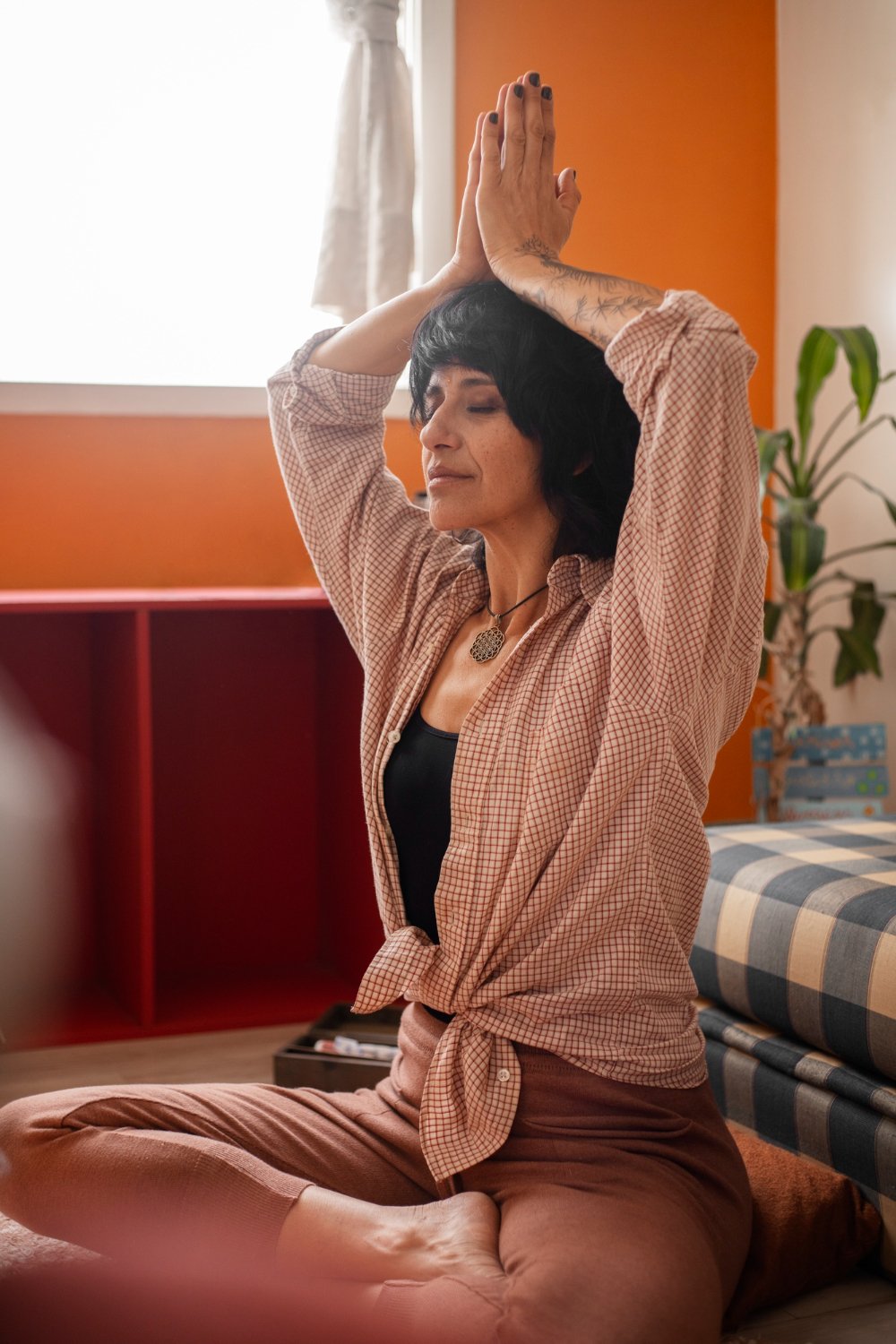
 Life is so busy that it can be hard to find time to relax. Traditional methods of relaxation, like meditation or herbal teas, still have their place, but curiosity has led people to seek out more unorthodox practices. Bizarre as they may be, these trends tend to correspond to larger cultural conversations about what constitutes relaxation and equilibrium.
Psychologists and scholars of culture have long grappled with the fact that relaxation is not just the opposite of stress. It is influenced by societal evolution, personal preference, and even technology. That framing helps explain why unorthodox measures are gaining traction: they offer not just relief but also novelty and agency in a crowded wellness marketplace.
Sleep Gummies for Improved Relaxation
One of the most popular relaxation trends is the use of indica gummies for sleep. These gummies are infused with naturally occurring plant compounds that many people find supportive for winding down at the end of the day.
Unlike traditional sedatives, they are often praised for promoting deeper, more restorative rest without leaving behind the heavy grogginess that can linger into the morning.
Sensory Immersion And Unusual Rituals
In addition to supplementation, sensory immersion is being explored. Now, sound baths, light therapy, and even experimental VR environments are being studied as relaxation aids. These techniques might seem bizarre, but they’re consistent with cognitive science hypotheses that describe how modulating your senses can change the emotional profile. For individuals who struggle with occasional sleeplessness, these gummies can serve as a gentle, plant-based alternative that complements healthy bedtime routines.
Movement-Based Relaxation
A third trend we are increasingly seeing is unconventional motion. Regimens such as lethargic martial arts, euphoric dance, or yoga mixes no longer belong to the realm of exercise but instead are being billed as relaxation. The principle is that doing something physical can relieve tension better than lying still.
Anthropologists who observe ritual movement typically acknowledge that these practices share a grey area between exercise and spirituality. They could build community in addition to providing private catharsis. But sceptics wonder if these workouts actually relax the body or just fatigue it. This dynamic demonstrates how the meaning of relaxation is disputed along and across disciplines and cultural contexts.
Oddity’s Role In Wellness Culture
In a world full of conventional wisdom, novelty alone can be curative. Sociologists contend that engaging in distinct practices may serve as an indication of autonomy, enabling individuals to defy mainstream norms. Yet novelty can also be commodified, with some questioning whether wellness is being driven more by marketing than a real desire for change.
What To Expect In 2026 And Beyond
Strange relaxation trends may seem bizarre, but they’re telling us something important about the state of modern life. People are looking for equilibrium in ways that defy old categories, mixing science and ritual and experimentation.
In that respect, then, the weirdness is a feature rather than a bug. It’s a sign of creativity, flexibility, and a stubborn refusal to give in to inevitable stress. As 2026 dawns, these are habits that may keep sparking arguments but also serve as friendly reminders that relaxation is about culture as much as biology.