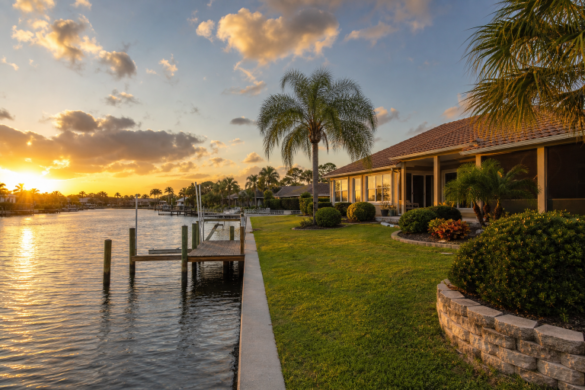
Buying near the coast in Ponte Vedra Beach means choosing more than a home with an ocean breeze or marsh view. The right property should also fit your daily routine, comfort level for storm preparation, insurance budget, maintenance capacity, and long-term plans. From oceanfront homes along Ponte Vedra Boulevard to properties near the Intracoastal Waterway, each address can present a different ownership picture.
Local guidance can make that picture easier to evaluate. Ponte Vedra Beach real estate agents Christie’s International Real Estate First Coast are part of CIRE First Coast, a Northeast Florida real estate firm whose website offers property searches, home valuations, buyer and seller resources, and advisor services across communities, including Ponte Vedra Beach, Atlantic Beach, Jacksonville, Amelia Island, Nocatee, and St. Augustine. A locally focused advisor can help buyers compare the practical differences between nearby coastal streets, property types, and ownership obligations.
Start With the Whole Property Story
Listing photos can showcase natural light, renovated kitchens, pools, and water views, but they cannot answer every important buying question. Before making an offer, consider the home as a complete system, including its location, elevation, construction, drainage, roof, exterior materials, prior repairs, insurance history, and neighborhood access.
A coastal home may be an excellent fit, but the features that make it desirable can also require more careful due diligence. Salt air, wind exposure, heavy rain, tides, and waterfront structures all deserve attention before the inspection period ends.
Study the Exact Ponte Vedra Beach Location
Broad neighborhood labels are useful, but nearby streets can feel very different. Compare the home’s distance from the Atlantic Ocean, Guana Lake, marshland, canals, or the Intracoastal Waterway. Consider road access, beach traffic patterns, nearby construction, parking, and how long ordinary errands take during busy periods.
Visit at more than one time of day if possible. A quiet weekend showing may not reveal weekday school traffic, seasonal visitors, evening restaurant activity, or stormwater conditions after a heavy rain. Buyers planning to live in the home year-round should also test the route to groceries, healthcare, schools, parks, major roads, and Jacksonville employment centers.
Review Flood Exposure, Elevation, and Drainage
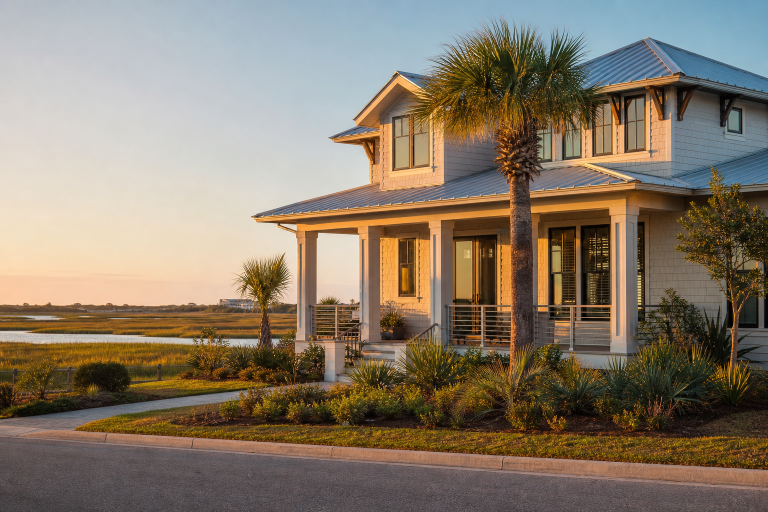
Flood risk should be reviewed for the specific parcel, not assumed based on a neighborhood name or a seller’s conversation. The Coastal Flood Exposure Mapper can help buyers begin evaluating local coastal hazards and surrounding conditions, while property-specific questions should be confirmed through official records, insurers, and qualified professionals.
Ask for the available elevation documentation, prior water intrusion records, drainage improvement records, and repair invoices. A property outside a mapped high-risk area can still experience ponding, drainage issues, or water intrusion during intense rainfall. Look at the finished-floor height, driveway slope, yard grading, gutters, downspout discharge, and any visible signs of moisture around doors, garages, crawl spaces, or lower-level walls.
Get Insurance Answers Before Making an Offer
Do not wait until the final days before closing to explore coverage. Homeowners insurance, wind or hurricane coverage, and flood insurance are separate subjects that can involve different deductibles, requirements, and underwriting decisions. Standard homeowners’ policies generally do not cover flood damage, so buyers should request property-specific quotes during the inspection period.
Florida’s flood insurance planning guidance explains why homeowners should understand coverage choices before a storm threatens. When seeking quotes, provide the insurer with accurate details about roof age, construction type, prior claims, elevation information, openings protection, and mitigation features. Compare both the annual premium and the deductible you would be responsible for after a covered loss.
Look for Storm-Ready Construction
A newer home may include modern materials and building practices, but age alone does not establish quality. Review the roof’s material, age, visible condition, repair history, ventilation, and drainage. Ask whether the home has impact-rated windows, hurricane shutters, reinforced garage doors, roof-to-wall connections, or other wind-resistance features.
A wind-mitigation inspection can identify qualifying features and document them for an insurance review. Keep copies of permits, invoices, inspection reports, and product information for completed upgrades. Those records may be useful when seeking coverage, maintaining the home, or explaining improvements to future buyers.
Check Permits, Rules, and Waterfront Features
Verify the Paper Trail
Request records for major work such as roof replacement, additions, pools, electrical updates, generators, seawalls, docks, boat lifts, and renovations. Confirm whether permits were required and, when applicable, whether they were finalized. Unresolved permit issues can create questions for lenders, insurers, buyers, and future contractors.
If the home is governed by an HOA or condominium association, read the documents carefully. Review dues, rental restrictions, architectural rules, maintenance responsibilities, parking policies, pet rules, reserve information when available, and any pending assessments.
Inspect Waterfront Elements Separately
Docks, bulkheads, seawalls, boat lifts, pools, irrigation systems, and private beach access should not be treated as minor extras. Hire qualified specialists when the property includes these features, and ask for maintenance records, permits, repair estimates, and expected replacement timelines. For boaters, water depth, tides, bridge clearances, and access to open water may be essential to the property’s real value.
Calculate the True Cost of Ownership
The purchase price and mortgage payment are only the starting point. Build a realistic annual budget that includes:
- Property taxes and homeowners, wind, and flood insurance.
- HOA or condominium dues, if applicable.
- Utilities, landscaping, pest control, and exterior cleaning.
- Roof, paint, siding, window, and HVAC maintenance.
- Pool service, dock or lift maintenance, seawall work, and storm preparation.
A lower-priced home can be more expensive to own if it needs immediate repairs, carries higher insurance costs, or includes aging waterfront infrastructure. Request estimates before negotiations are complete so the budget reflects likely expenses rather than assumptions.
Balance Lifestyle Value With Resale Value
Ask whether the home supports the way you will actually live. Consider storage for beach equipment, guest parking, outdoor shade, stair access, space for pets, privacy, commute time, and year-round usability of balconies, pools, and yards. A dramatic view matters, but a functional layout and manageable maintenance can matter just as much over time.
For resale analysis, compare recent closed sales with properties that share meaningful characteristics. Price per square foot alone can be misleading when two homes differ in elevation, renovation quality, lot size, water access, view corridor, roof condition, or proximity to the beach.
Coastal Home Inspection Checklist
- Order a comprehensive home inspection and review the full written report.
- Add roof, wind-mitigation, moisture, mold, drainage, septic, or pool inspections when appropriate.
- Use specialists for seawalls, docks, lifts, generators, elevators, and other complex systems.
- Obtain insurance quotes before contingency deadlines expire.
- Confirm flood information, permits, HOA rules, repair records, and maintenance obligations.
- Keep all reports, quotes, and contractor estimates for final negotiations and future planning.
Buy With Clear Eyes
A Ponte Vedra Beach coastal home can deliver an exceptional lifestyle, but the strongest buying decisions look beyond the view. By reviewing location, flood exposure, insurance, construction, permits, waterfront features, ongoing costs, and resale appeal, buyers can move forward with a clearer understanding of both the opportunity and the responsibility of coastal ownership.