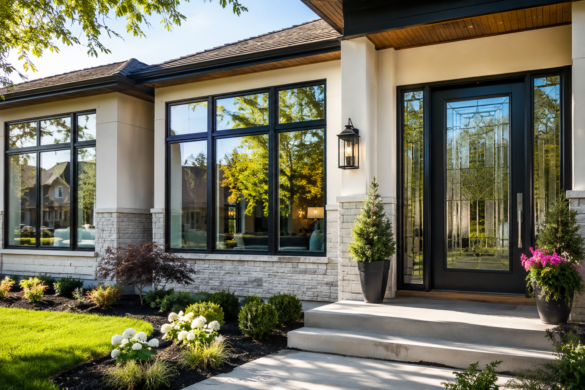
Embarking on a home renovation is both an exciting opportunity and a significant investment. Whether updating a single room or revamping an entire house, following a thoughtful approach can help ensure a smooth and rewarding experience. Proper planning, quality materials, and expert guidance are crucial for successful results. If you are uncertain about tackling all aspects on your own, consulting with professional remodelers can make a tremendous difference in both outcome and peace of mind. Today’s homeowners seek renovations that blend modern innovation with enduring value. By focusing on functionality, sustainability, and the preservation of unique features, you can achieve spaces that not only look beautiful but also work seamlessly for everyday living.
Comprehensive Planning
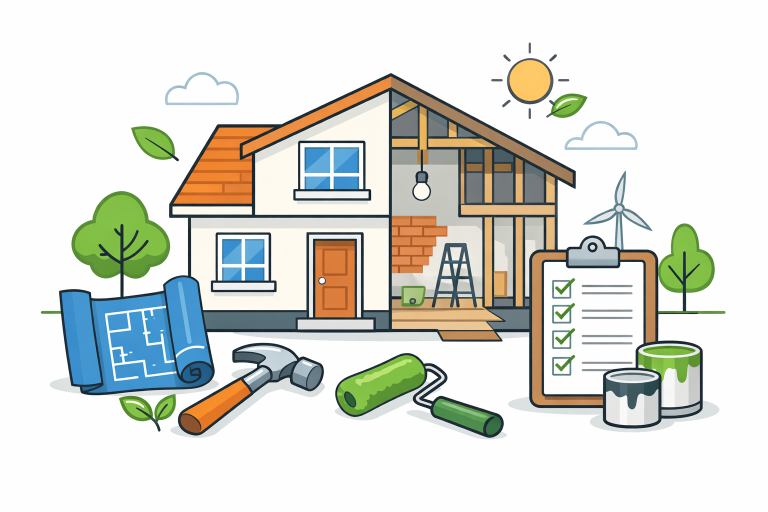
Comprehensive planning is the backbone of any successful home renovation. Before making any changes, create a master plan that clearly defines your goals, sets a realistic budget, and establishes a timeline. Early planning helps you identify priority areas, avoid costly mistakes, and communicate expectations more effectively with contractors and designers. Detailed planning is especially important when coordinating the work of multiple trades or integrating new systems, such as electrical and HVAC.
Additionally, consider creating a detailed checklist for each phase of your renovation. This could include obtaining necessary permits, organizing temporary living arrangements if required, and sourcing all materials in advance to minimize delays. Successful project management often hinges on anticipating and addressing potential hurdles before they slow progress. Thorough documentation, including photos and written notes, will help everyone stay on the same page and reduce misunderstandings. By setting clear milestones and regularly reviewing the schedule, you ensure not only timely completion but also a higher-quality result overall.
Prioritizing Quality Materials
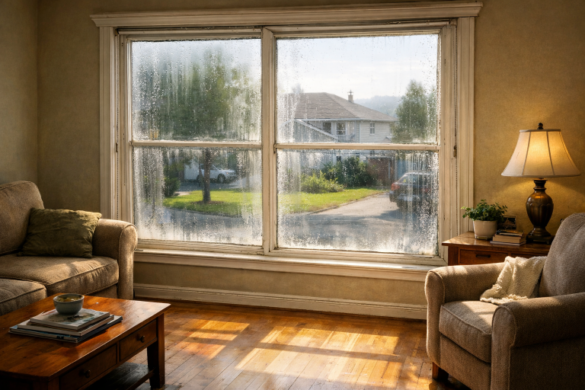
Investing in high-quality materials pays off over time by ensuring durability, reducing maintenance needs, and enhancing overall aesthetics. While upfront costs may be higher, premium materials can add lasting value and elegance to your property. For example, solid wood flooring resists wear and adds warmth to interiors, while high-performance windows improve energy efficiency and comfort. Quality doesn’t always mean the most expensive option; sometimes the best value lies in materials that marry longevity with minimal upkeep. Look for warranties, read user reviews, and consult knowledgeable suppliers to determine which products best suit your needs. Thoughtful sourcing can often help you find high-end finishes at more approachable prices, particularly when you’re willing to get creative or consider refurbished goods. In the long run, this careful consideration not only ensures satisfaction but also reduces the likelihood of needing a premature update or repair.
Embracing Sustainable Practices
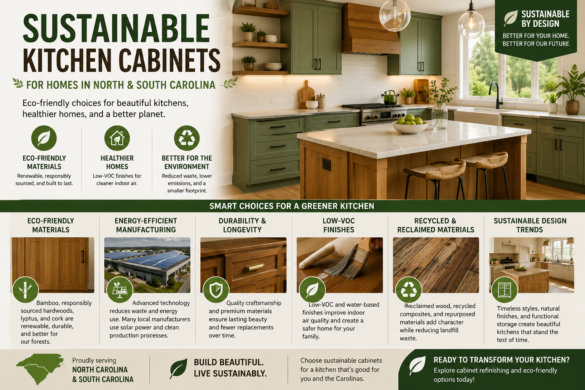
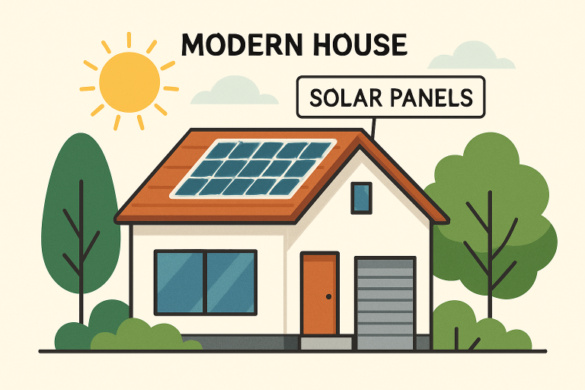
Sustainability is an essential consideration for today’s renovations. Opt for eco-friendly options like low-VOC paints, recycled building materials, and energy-efficient appliances. Implementing proper insulation and air sealing can lower utility bills and make your home more comfortable year-round. You might also consider features such as solar panels, rainwater harvesting systems, and native landscaping. These green updates can lower your carbon footprint and may qualify you for tax credits or local incentives. Additionally, small actions, such as selecting locally sourced materials and donating reusable items to salvage centers, minimize waste and support a circular economy. Sustainable choices are forward-thinking decisions that benefit both the environment and your wallet over the life of your home.
Incorporating Smart Home Technology
Integrating smart technology can greatly enhance your home’s convenience and efficiency. Features such as programmable thermostats, smart lighting, and home security systems provide added comfort and peace of mind. When selecting technology, prioritize user-friendly interfaces and adaptability for future upgrades. Be sure to coordinate with your renovation team to ensure systems are integrated smoothly with existing infrastructure. Another benefit of the latest smart devices is remote access. Imagine adjusting your thermostat, security cameras, or lighting from your mobile phone while at work or traveling. Discreet tech integration, such as in-wall charging stations or hidden speakers, preserves the visual appeal of your spaces. Whether you’re concerned about energy usage or want the ultimate in-home convenience, smart upgrades make your home more responsive to your needs and more attractive to future buyers.
Focusing on Functional Design
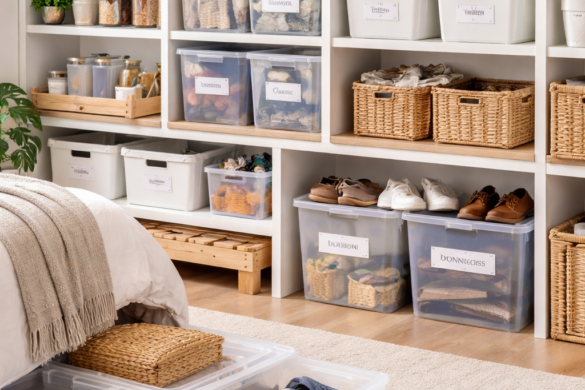
While a beautiful home captures attention, truly successful renovations emphasize function alongside form. Design each space to reflect your unique lifestyle and daily routines. Work zones in kitchens, organized mudrooms, and accessible storage solutions all contribute to a home that feels easy to live in. Practical design decisions help prevent clutter and maintain efficiency, making your home more enjoyable for years to come. Moreover, flexibility is key; a well-designed renovation accommodates possible future changes. Features like movable storage units, multipurpose rooms, and universal design principles allow your home to evolve as your family’s needs change. Thinking ahead to aging in place or expanding your household can save you the hassle and expense of future remodels.
Preserving Architectural Character
If your home features distinctive architectural elements, take care to preserve them during renovations. Original woodwork, decorative moldings, or exposed brick add character and history that mass-produced new fixtures can rarely match. When updating, highlight these features with complementary finishes and avoid drastic alterations that might diminish their value or uniqueness. Preservation not only maintains a connection to the home’s past but often increases property value for future buyers.
If repairs to original features are necessary, seek out specialists with experience in restoration. Blending traditional craftsmanship with contemporary performance ensures that treasured elements of your home are both beautiful and functional. Additionally, documenting these features before renovation begins allows for better protection during construction and easier matching if replacement parts are needed in the future. Preserving architectural history also fosters a deeper sense of home and place, which new construction can rarely replicate.
Budgeting Wisely
Setting a clear and realistic budget is essential. Start by identifying your renovation priorities and allocating funds accordingly. Always include a contingency fund of at least 10 to 20 percent to cover unexpected expenses or design changes. Address critical repairs or structural upgrades before investing in cosmetic updates to prevent costly surprises down the road. Wise budgeting also relies on careful planning and honest communication among all involved parties.
Keep in mind that even the most carefully outlined plans can encounter surprises as old walls come down or systems are updated. Maintaining transparent records of expenditures, receipts, and change orders promotes accountability and helps prevent disputes. Regular check-ins with your contractor about expenses and progress will give you peace of mind and allow prompt adjustments if anything exceeds your initial projections. Remember, budgeting is not just about limiting costs, but making sure every dollar is spent where it matters most.
Engaging Professional Help
Professional guidance is invaluable throughout the renovation process. Skilled architects, designers, and contractors provide the technical expertise and creative solutions necessary to avoid common pitfalls. Experienced professionals can also help you navigate local building codes and secure necessary permits, ensuring the project meets all safety and legal standards. Relying on reputable experts helps deliver a high-quality result and minimizes stress from start to finish.
Don’t hesitate to interview several professionals to find the best fit for your project and communication style. Ask for references and examples of completed work, and clarify exactly what services will be provided. A strong professional relationship is built on mutual trust and open dialogue, enabling you to tackle any challenges that arise. With the right team in place, you benefit from access to trade discounts, tried-and-true subcontractors, and a smoother renovation process from concept through the final reveal. Home renovations present an exciting chance to reimagine your living spaces. By focusing on these best practices, you can create a home that blends modern amenities, personalized design, and timeless value, one that serves your family’s needs and stands the test of time.
Conclusion
A successful home renovation requires a balance of thoughtful planning, quality craftsmanship, and long-term vision. By prioritizing durable materials, sustainable practices, functional layouts, and smart technology, homeowners can create spaces that are both stylish and practical. Preserving architectural character while staying mindful of budget constraints further ensures that renovations enhance not only daily living but also the property’s overall value. Most importantly, working with experienced professionals can help streamline the process, minimize costly setbacks, and bring your vision to life with confidence. With careful preparation and informed decisions, a renovation can transform your home into a space that reflects your lifestyle, supports your future needs, and stands the test of time.