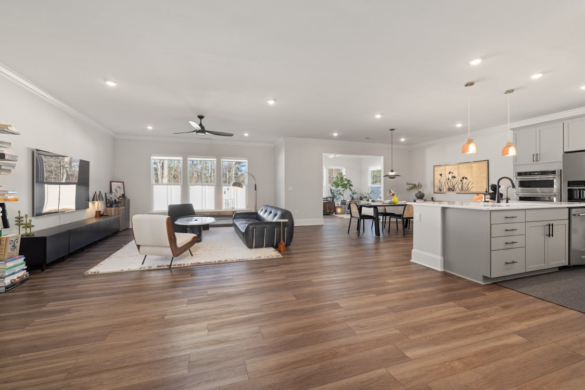
Environmental consciousness is reshaping kitchen design trends across North Carolina and South Carolina. As more homeowners and renovators seek practical ways to reduce their environmental footprint, the region’s interest in sustainable cabinetry continues to grow. With its blend of rural landscapes and city life, the Carolinas offer unique opportunities and challenges for adopting eco-friendly materials and practices in kitchen renovations. For those considering a kitchen update, exploring Cabinet Refinishing in NC & SC not only saves resources but also provides a cost-effective option for a stunning kitchen transformation. Local conditions in NC and SC mean frequent humidity shifts, variable weather, and a deep respect for both tradition and innovation in the home. Incorporating sustainability into cabinetry makes sense for these communities that value both environmental stewardship and long-lasting craftsmanship.
Eco-Friendly Materials
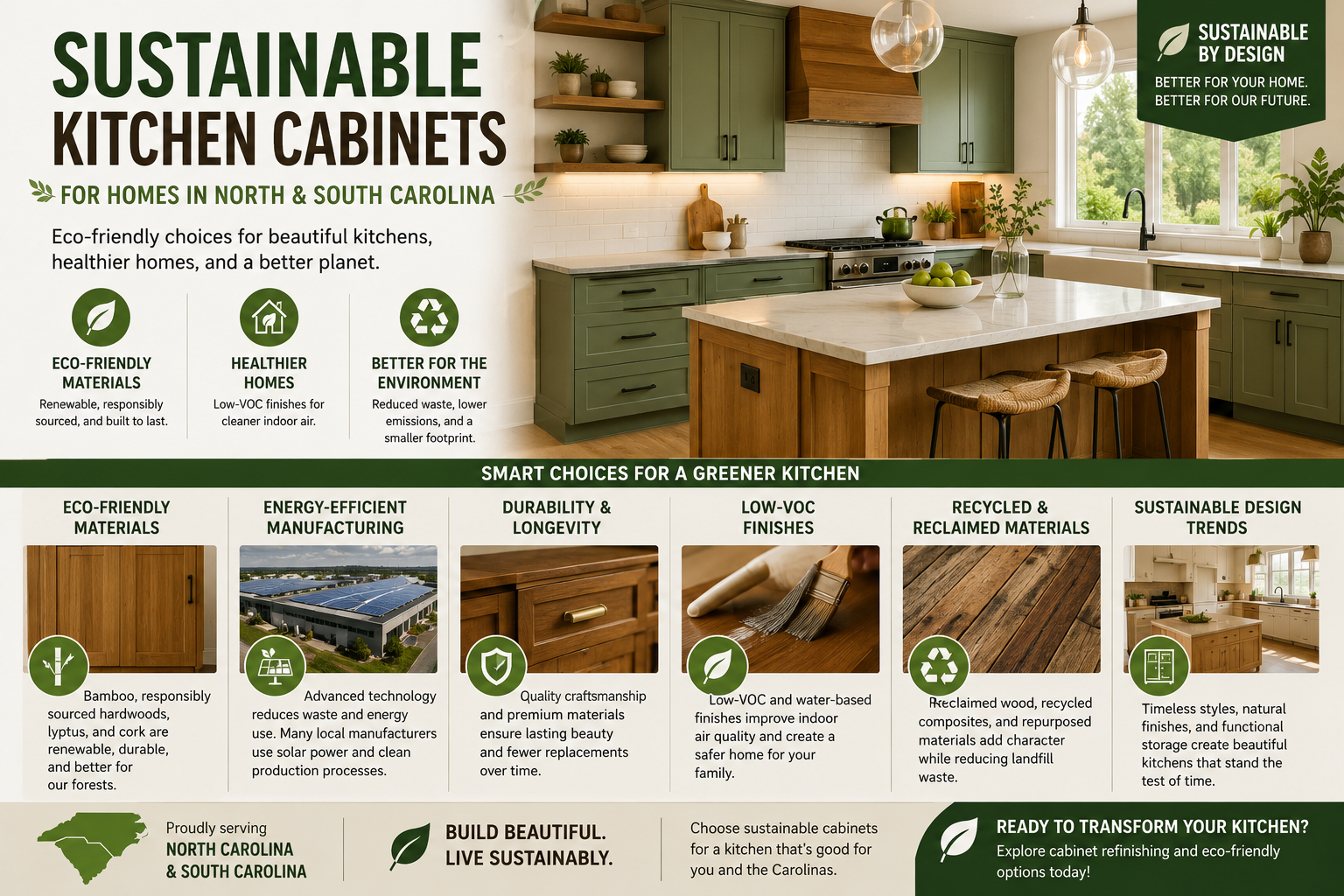
Selecting eco-conscious materials is a powerful first step toward a sustainable kitchen. In the Carolinas, fast-growing options like bamboo are particularly suitable because they thrive in similar regional climates and offer negligible impact on forests. Bamboo cabinets combine visual appeal and durability, making them ideal for contemporary, coastal, or farmhouse kitchen settings. Among traditional materials, responsibly sourced hardwoods are another favorite. These can be harvested in accordance with local forestry regulations designed to protect native species and maintain woodland health.
Many homeowners in the Carolinas are also exploring alternative materials such as lyptus, a eucalyptus hybrid that grows quickly and regenerates after harvest, offering another renewable solution. Cork, an often-overlooked material, is also gaining traction. Derived from the bark of the cork oak tree, cork is renewable and harvested without harming the tree itself. These innovative material choices help reduce pressure on slow-growing forests while still offering high-performance characteristics needed in a busy kitchen environment.
Energy-Efficient Manufacturing
Cabinet manufacturing is becoming more efficient through new processes that minimize waste and energy use. Carolina-based companies are joining a nationwide trend by embracing technologies such as thermally fused laminates and computerized cutting systems, which limit offcuts and make the manufacturing process cleaner. The reduced energy demand in production matches the region’s growing use of renewable energy sources and helps keep local air and water clean. For those interested in sustainability trends, Architectural Digest provides insights into innovations reshaping home design.
Manufacturers are also finding creative ways to incorporate on-site solar panels and energy recovery systems into their facilities. These advancements lower operational costs over time and reduce the overall carbon footprint associated with cabinetry production. Supporting local manufacturers who are committed to sustainable practices not only benefits the broader environment but also contributes to the economic vitality of North and South Carolina communities by keeping jobs within the region.
Durability and Longevity
Long-lasting cabinets reduce replacement frequency, thus avoiding unnecessary landfill waste and resource consumption. Solid wood cabinets, especially those constructed from oak or maple sourced regionally, offer impressive durability and can withstand the fluctuating humidity of Carolina homes. Brass hardware is popular not just for its appearance, but for its strength and recyclability. Investing in materials and finishes that stand the test of time reflects the Carolinian values of tradition and practical stewardship. Additionally, some homeowners are restoring and repurposing century-old cabinetry, further extending the life of quality materials. These projects can highlight the original character of historic homes, blending modern function with old-world charm. Choosing refacing or refinishing over full replacements not only preserves memories but also sharply reduces the environmental impact of a kitchen renovation.
Low-VOC Finishes
Finishing your cabinets with low-VOC (volatile organic compound) products is one of the healthiest choices you can make for your home. Traditional solvent-based finishes emit chemicals that can degrade indoor air quality, posing risks to families with children or those with sensitive respiratory systems. Low-VOC and water-based finishes are becoming a standard in the Carolinas, especially as more homeowners choose to repaint or refinish cabinets rather than replace them outright. Aside from their health benefits, these environmentally friendly finishes contribute to a safer working environment for professional installers and painters. Many brands now offer a palette of colors and sheens that rival traditional options, allowing homeowners to embrace both beauty and wellness in their choices.
Recycled and Reclaimed Materials
Using recycled or reclaimed materials connects Carolina kitchens to both history and sustainability. Salvaged barn wood, often found in rural communities throughout the region, brings warmth and one-of-a-kind texture to cabinet design. Composite panels made from recycled sawdust or plastic reduce waste sent to landfills. These materials hold up well in local climates and bring stories of past structures into the modern kitchen, making them a favorite among renovators who appreciate heritage and resourcefulness. More suppliers are now offering options for recycled-metal pulls and handles, as well as glass panels that incorporate post-consumer content. Incorporating these elements in cabinetry design not only reduces waste but often leads to creative, conversation-starting design statements. With North Carolina and South Carolina both rich in architectural history, there’s ample inspiration for blending old and new in innovative, sustainable ways.
Certifications and Standards
Choosing products certified by recognized organizations like the Forest Stewardship Council (FSC) reassures homeowners that their materials are sourced with care. The FSC label is increasingly common in NC and SC woodworking shops and retail outlets. This commitment aligns with regional efforts to protect forests, which are an essential part of the local landscape and culture. Homeowners might also encounter the Kitchen Cabinet Manufacturers Association (KCMA) Environmental Stewardship Program label, which signifies that products have met rigorous standards for air quality, product resource management, and community engagement. Familiarizing oneself with these labels is a practical step toward making informed decisions about sustainable cabinetry and supporting a greener supply chain.
Design Trends
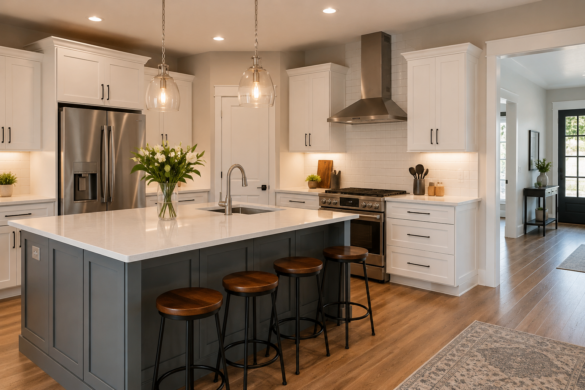
Sustainable design in cabinetry is far from austere. The Carolinas are seeing trends like textured kitchen doors, think fluted timber or reeded glass, that add depth and interest while using responsibly manufactured products. These styles complement both sleek modern spaces in Charlotte’s uptown condos and the cozy, sunlight-filled kitchens of coastal cottages. In addition, open shelving made from reclaimed wood, integrated recycling bins, and minimalist cabinet hardware are all gaining momentum across the Carolinas. These trends underscore a desire for homes that are easy to maintain, environmentally responsible, and reflect a uniquely regional sense of creativity and charm.
Conclusion
Kitchen renovations across North Carolina and South Carolina offer unique chances to blend sustainability, style, and community pride. By choosing renewable and recycled materials, supporting energy-efficient manufacturing practices, and prioritizing durability, local homeowners can reduce waste, boost air quality, and celebrate the region’s heritage. Sustainable cabinets create not only beautiful homes but a healthier, more vibrant future for communities throughout the Carolinas. Ultimately, every sustainable design choice contributes to preserving the Carolinas’ natural beauty while supporting skilled craftspeople and innovative businesses. Whether you’re restoring an heirloom set of cabinets, investing in new eco-friendly materials, or simply opting for a low-impact finish, your kitchen renovation can be an inspiring model of conscious living and regional pride. With a growing array of sustainable options available, there’s never been a better time to make environmentally wise investments in your home.