Tiny home communities have become a practical answer to America’s housing affordability crisis. Florida’s median home sales price now stands at $407,700 (up 0.8% from last year), while average rent costs $1,983. Many residents now look at tiny homes as an alternative, with prices ranging from $30,000 to $120,000.
These Florida communities make financial sense beyond the purchase price alone. People pay just $450-$600 monthly for lot rentals. This often includes utilities and access to shared perks like clubhouses, pools, and fitness centers. The need for such affordable options is clear – Florida has only 25 affordable rentals available for every 100 very low-income renters. These homes bring more benefits than just cost savings. They need less maintenance, use green materials, employ solar energy, and leave smaller environmental footprints.
People who want to try alternative housing in 2025 can choose from several ownership options in tiny home communities. Some residents rent both their home and lot, while others buy their dwelling outright. This piece shows why these micro-neighborhoods could be the answer to affordable living in today’s tough housing market.
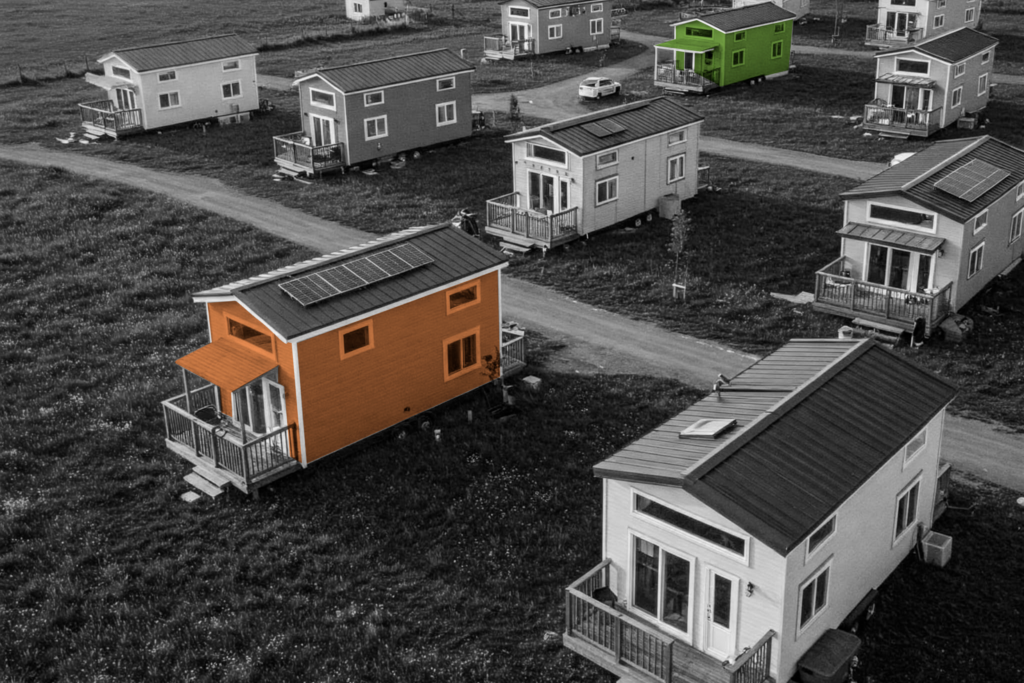
What Makes Tiny Home Communities So Affordable
Tiny home communities offer financial advantages through multiple cost-saving features that traditional housing can’t match. These micro-neighborhoods represent a radical alteration in housing economics, with dramatic cost reductions in construction and ongoing savings that add up each year.
What Makes Tiny Home Communities So Affordable
Lower construction and material costs
The cost difference in construction serves as the foundation of tiny home affordability. Traditional homes usually cost several hundred thousand dollars. Most tiny homes need between $30,000 and $60,000 upfront. Determined DIYers can start tiny home living for as little as $10,000 by building from simple kits.
Tiny homes cost more per square foot ($150-$450 compared to $150-$200 for conventional homes). The substantially reduced square footage results in lower total expenses. This size difference leads to fewer material requirements—less lumber, concrete, drywall, flooring, and roofing materials.
Tiny home communities in locations like Florida and Texas benefit from economies of scale with simultaneous construction of multiple units, which reduces individual costs. Ready-to-move-in options range from $100K to $188K for luxury models, still well below median housing prices in most markets.
Reduced utility bills and maintenance
The ongoing savings prove equally impressive. The average tiny house uses 80% less energy than a standard American home. Monthly utility bills often total less than $50—nowhere near what traditional homeowners pay.
Maintenance costs show similar savings. Financial experts recommend setting aside 1% of a home’s purchase price for annual maintenance. A $150,000 tiny home needs about $125 monthly, though actual costs run lower, especially in newer units. Insurance costs drop too, averaging between $400 and $1,200 annually ($33-$100 monthly).
Tiny homes are a great way to get practical benefits that cut expenses:
- Smaller spaces need less time and money to clean and maintain
- Fewer appliances and systems to repair or replace
- Limited storage stops unnecessary purchases
- Simple organization and management of possessions
Minimal land usage and shared infrastructure
The most innovative aspect lies in these communities’ approach to land and infrastructure costs. These neighborhoods optimize land use by splitting costs among multiple residents, which keeps housing more affordable.
Communities feature shared amenities—from tool sheds and laundry facilities to outdoor kitchens and co-working spaces. This shared infrastructure cuts individual expenses and creates value through community resources that single households couldn’t afford.
Many tiny home communities handle common maintenance tasks like landscaping and infrastructure upkeep. This collective approach to property management creates extra savings and frees residents from time-consuming maintenance duties.
Environmental benefits complement the financial advantages. These communities conserve natural resources by using shared spaces and emphasizing community areas over large private yards. Developers maximize available land while preserving green spaces—an approach that helps both residents’ wallets and the surrounding ecosystem.
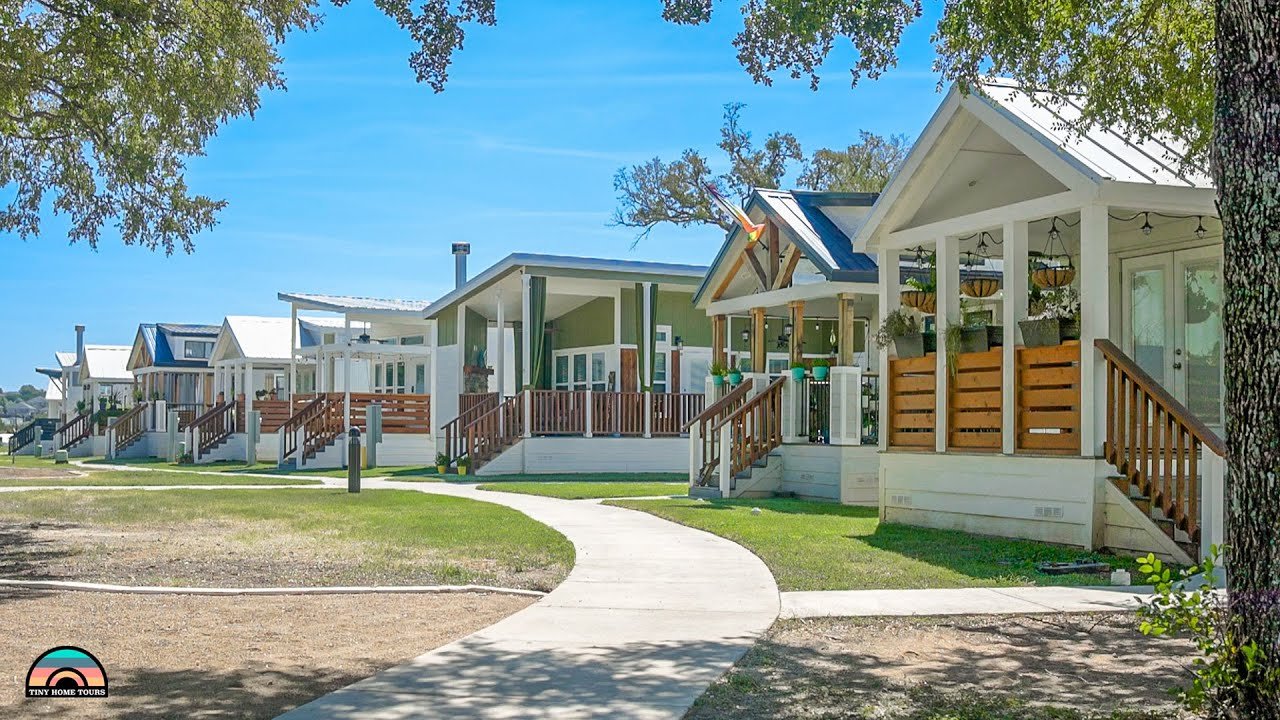
Types of Tiny Home Communities You Can Join
The right housing setup can transform your quality of life and financial stability. Tiny home communities give you many living options that fit different lifestyles and budgets. Here are the main types you can find when you’re ready to try this alternative housing path.
Rental-based communities
Rental communities give newcomers a great way to try tiny living without a big commitment. You can rent a pre-built tiny home or just a lot to place your own tiny structure. Most people pay between $500-$900 monthly, based on the location and what’s included.
Paradise Tiny Home Community, to name just one example, lets you lease lots if your pre-built home meets their rules—it must follow current codes, stay under 399 square feet, and match the community’s look. Their rental package has land use, utilities, and shared facilities, making it a complete housing solution.
These rental-based communities work well for people with different income levels. Some places focus on helping people who earn less than 50% of the area’s median income and might struggle to find affordable housing. You get financial flexibility while keeping your comfort and community connections.
Ownership and co-op models
Co-operative housing stands out as one of the most creative approaches in tiny home living. Members get more than just a place to live—they own a stake in the community and help make important decisions.
Emerald Village Eugene shows how this works. Members pay $200-$300 monthly to cover utilities, maintenance, and savings. They also put in $50 each month toward membership, which builds up money they can take out if they leave. This setup helps people save while keeping housing costs low.
A Village Council runs these communities, and every resident gets to vote on decisions. This democratic system helps everyone care more about their community’s success. Studies show that housing co-ops are a safe way to provide affordable homes to people with low and moderate incomes.
RV-style and mobile setups
Mobile tiny homes give you the most freedom in tiny living. These homes, known as “MTH” (Movable Tiny Home) or “THOW” (Tiny House On Wheels), let you pick up and move whenever you want.
You’ll find several types of communities that welcome mobile tiny homes:
- MH parks – Mobile home parks that let you bring movable tiny homes
- MTH-Friendly RV Parks – RV parks where tiny houses can stay for weeks or months
- Tiny Home Community RV parks – Special places made just for movable tiny homes and park models
The Sanctuary Minnesota shows this idea in action. They rent spaces to park tiny homes and have tiny houses ready to rent. Tiny House Block in Southern California offers short and long-term spots on 3.5 acres near hiking trails.
Just because these homes can move doesn’t mean they have to. Many people find a spot they like and stay for years. They just feel better knowing they can move if they need to. Young professionals and people who need to move for work find this freedom especially valuable.
Whatever your budget or lifestyle, you’ll find a tiny home community that works for you. These communities offer both affordable living and strong connections—two things that are hard to find in today’s housing market.
Top Tiny Home Communities in 2025 to Watch
The tiny home movement continues to grow, and several remarkable communities across America show us what affordable, community-focused living could look like. These thriving micro-neighborhoods demonstrate the possibilities that emerge when smart planning meets practical housing needs.
Orlando Lakefront – Florida
This 70-year old RV park has transformed into one of Florida’s best tiny home spots. You’ll find it just seven minutes from downtown Orlando and 20 minutes from major attractions. Orlando Lakefront strikes a perfect balance between city living and waterfront peace. The community has about 50 spaces available to lease. Residents get full hookups to park utilities and enjoy boat docks, fishing areas, a laundromat, and community gardens.
The community attracts many people with its reasonable lot leases that cost between $350 to $650 per month, depending on your spot in the park. Residents can legally park their tiny houses and enjoy Lake Fairview’s activities – a perfect setup for boat enthusiasts and anyone who loves being near water.
Simple Life – Ocala, Florida
Simple Life builds resort-style tiny home communities that make master-planned living more economical without cutting corners on quality. Their Ocala location features charming cottages that start at $120,000, with sizes from 399 to 800 square feet.
The community’s land lease system works differently from typical housing developments. Residents can keep their leases for a year or several decades – they end only when someone sells their home. A single monthly lifestyle fee plus homesite lease covers access to a pool, yoga studio, fitness center, dog park, and busy social calendar.
Village Farm – Austin, Texas
Village Farm stands out as America’s leading “agrihood” – a tiny home community built around Green Gate Farms, a 15-year old USDA-certified organic farm. This innovative setup brings together tiny home living and environmentally responsible agriculture to create a lifestyle centered on food production and nature.
The community has 152 home lots split across two phases. Homes typically start at $150,000, while monthly rentals run between $700-$900. The place works like a traditional village with a general store, cafe, community kitchen, weekly farmers market, two dog parks, and a resort-style pool with jacuzzi. Lot fees usually range from $650 to $750 monthly and include hookups and access to everything.
Acony Bell – North Carolina
Acony Bell spreads across 50 beautiful acres in Mills River, North Carolina, with mountain views and two bold creeks. The community caters to outdoor lovers and sits just miles from some of the country’s best hiking and mountain biking trails, while Asheville is only 22 miles away.
You can rent lots at Acony Bell for $650 to $800 monthly, and homes cost between $100,000 and $140,000. Residents enjoy gardens, edible landscapes, walking paths, mountain bike trails, stocked fire rings, and a community center.
Tiny Tranquility – Oregon
Tiny Tranquility lives up to its name as a peaceful coastal getaway near Waldport, Oregon. What started as a rundown nursery now hosts 43 sites – 35 for tiny homes and several vintage trailers. Beach lovers will appreciate the five-minute walk to the ocean.
Monthly rent runs between $650-$800, and homes cost from $110,000-$150,000. The community shines with its greenhouse, fitness equipment, community garden, shared lodge (including free laundry and TV room), and outdoor gathering spaces. The owner designed the layout to give each home enough space for a small yard, perfect for a porch or patio.
How to Choose the Right Community for You
You need to think over several key factors to find the right tiny home community. Your priorities should include location, lifestyle, costs, amenities, and legal requirements before making this big housing choice.
Location and climate considerations
A tiny home community’s location affects both lifestyle and costs directly. You should check road access, distance to essential services, and how close cities are. Weather plays a crucial role too. Mild climates help keep utility bills lower. To cite an instance, tiny homes in Southern Arizona need specific cooling solutions. Communities in rainy areas must have strong drainage systems.
Community culture and lifestyle fit
Each tiny home community creates its own unique character. Some promote social interaction with regular events and homes close together. Others value privacy by spacing homes apart with natural barriers. The community rules about pets, noise, and guests matter a lot. The average age range and resident types help you see if you’ll fit in. Many communities attract people who share values like sustainability, minimalism, and helping each other.
Cost breakdown: rent, HOA, and utilities
The financial picture needs a full look. Monthly lot leases in 5-year-old communities usually cost between $300-$650. Communities with extra amenities might charge more. You should ask for detailed breakdowns of lot rent, HOA fees, and expected utility costs. These numbers compared to your current housing costs show the real affordability.
Amenities and shared spaces
Shared facilities make up for smaller private spaces. These could be laundry rooms, gyms, community gardens, nature trails, or co-working areas. Some communities offer special features like shared beehives or outdoor kitchens. The amenities that matter most to your daily routine affect your living experience and property value by a lot.
Zoning and legal compliance
Legal classifications play a key role here. Tiny homes face different rules based on their classification as ADUs, RVs, or standalone homes. Local zoning laws control where you can place your tiny home. Make sure the community follows local rules about minimum square footage, utility connections, and placement limits.
What to Expect When Moving Into a Tiny Home Community
Life in a tiny home community starts with understanding several practical steps. Future residents should know what to expect before they make their move. The process includes everything from paperwork to adapting to minimalist living.
Application and approval process
Tiny home communities need formal applications from potential new residents. Paradise Tiny Home Community managers must approve applications before any home sales happen. Future buyers should reach out to community management to learn about leasing details, rules, and application forms. The review process looks at specific criteria set by each community. The Hideaway in Kansas City keeps waitlists because so many people want to join, but they communicate clearly about how long acceptance takes.
Touring and reserving your spot
A scheduled tour gives you a real feel for the community atmosphere. Paradise Tiny Home Community lets visitors see their models through appointments. You can explore available lots and learn about costs and design options. Look carefully at lot sizes, privacy features, and how close amenities are during your visit. Most communities ask for deposits after approval to hold your spot. Some charge extra fees if construction takes longer than the original agreement.
Understanding community rules
Each community handles governance differently. The Hideaway uses a single-leader approach while other communities work through resident committees or co-op models. Rules usually cover utilities, shared meals, and common areas. The Hitching Post comes with full hookups – water, sewer, and 50-amp power. Most tiny home communities set guidelines about noise, guests, and landscaping to keep everyone happy in close-quarter living.
Tips for downsizing before the move
Your success in tiny living depends on smart downsizing. People who live in tiny homes suggest:
- Using the “new in, old out” rule—give away something old each time you buy something new
- Getting storage bins to help measure how much stuff you can keep
- Following S.O.A.P principles: Start small, tackle One project at a time, Appreciate the process, and Practice gratitude
- Making a list of things you actually use versus things you just store
The downsizing process usually needs several rounds. Each round gets easier as you start thinking like a minimalist.
Tiny home communities offer a powerful answer to America’s housing affordability crisis. The price gap between regular homes and tiny homes makes a compelling case – tiny homes cost between $30,000 to $120,000, while Florida’s median home price sits at $407,700. You’ll save money over time through lower utility bills, minimal upkeep costs, and shared community resources.
These communities come in different flavors to match almost any lifestyle and budget. Rental communities give newcomers a chance to test the waters. People can build equity through ownership and co-op models without breaking the bank. RV-style communities let residents enjoy both mobility and stability. This range of options makes tiny home living available to people from all walks of life.
Real-world examples like Orlando Lakefront, Simple Life, and Village Farm show how these micro-neighborhoods blend affordability with great amenities. The financial perks go way beyond the purchase price. Monthly costs run 50-80% lower than regular housing when you factor in reduced utilities, maintenance, and land use. These savings help residents build their nest egg while enjoying amenities they couldn’t otherwise afford.
Moving to a tiny home takes some getting used to. You’ll need to downsize your stuff, follow community guidelines, and deal with zoning rules at first. All the same, residents say the rewards make it worthwhile – they gain financial freedom, reduce their environmental footprint, and build stronger bonds with neighbors.
Tiny home communities could revolutionize American housing in the years ahead. They tackle multiple challenges at once by being affordable, sustainable, and community-focused. These innovative micro-neighborhoods might be the key to affordable living in 2025 and beyond for people who want financial stability and meaningful connections.
Here are some FAQs about tiny home communities:
Where is the best tiny home community?
The title of “best” tiny home community is subjective and depends on personal priorities like climate, amenities, and community rules. Many people look for established tiny home communities in florida for a resort-like atmosphere or tiny home communities in texas for more land and affordability. Researching tiny home communities near me is the best way to find one that fits your specific lifestyle needs.
Where are tiny house communities in the US?
Tiny house communities are located across the United States, with significant concentrations in states that have more flexible zoning laws. You can find popular developments among the tiny home communities in florida, the tiny home communities in texas, and the tiny home communities in georgia. A simple online search for tiny home communities near me will reveal options in your specific region.
What are the common mistakes in tiny houses?
Common mistakes in tiny houses include poor space planning with inadequate storage, choosing the wrong trailer or foundation, and underestimating budget for quality materials and labor. Another frequent error is not researching local zoning laws, which is why living in established tiny home communities in texas or florida can simplify that process. Failing to plan for proper insulation and climate control is also a major oversight.
Are there tiny home communities in FL?
Yes, there are several tiny home communities in florida, catering to both retirees and younger residents seeking a minimalist lifestyle. These communities often feature shared amenities like clubhouses, pools, and community gardens. Searching for tiny home communities near me in Florida will provide specific locations and details on availability.
Which state is most tiny home friendly?
States like Texas, Florida, and California are often considered among the most tiny home friendly due to a growing number of designated communities and more progressive building codes. Texas, in particular, has seen a rapid expansion of tiny home communities in texas with relatively fewer regulatory hurdles. Your experience will still vary greatly by specific county and city ordinances.
What state has the cheapest tiny homes?
States in the Southeast and Midwest, such as Georgia, often have lower overall costs for materials and labor, leading to cheaper tiny home builds. This is one reason you can find affordable options within some tiny home communities in georgia. Land cost is a separate and major factor that also influences the total price.
What is a $1 dollar house in the US?
A “$1 dollar house” typically refers to abandoned or distressed properties sold by city governments for one dollar as part of urban revitalization programs. The catch is that the buyer must commit to renovating the property to code within a specific timeframe, which involves a significant investment. These programs are rare and highly competitive, not related to the tiny home communities near me market.
What is the cheapest small town to live in in the United States?
The cheapest small towns are often found in the Midwest and Rust Belt regions, in states like Kansas, Iowa, and Ohio, where housing costs and overall living expenses are low. These towns may not have specific tiny home communities in georgia or florida, but land for placing a tiny house could be very affordable. A low cost of living usually correlates with fewer local job opportunities.
How much does a tiny house cost in America?
The cost of a tiny house in America has a vast range, from a DIY build for as little as $20,000 to a fully custom, professionally built model on a foundation for $150,000 or more. The average price for a well-constructed, moveable tiny house on wheels is often between $60,000 and $80,000. Prices can be influenced by whether you place it in established tiny home communities in texas or on private land.