 Replacing a windshield has become a more complex process with today’s technology. While the physical windshield replacement is similar to what it has always been, the technological differences are massive. Nowadays, there are many vehicles on the road that have ADAS (Advanced Driver Assistance Systems) that require recalibration. This means that when you replace the windshield, you will need to have the camera, lidar, or radar on the windshield recalibrated as well.
The Windshield as a Sensor Platform
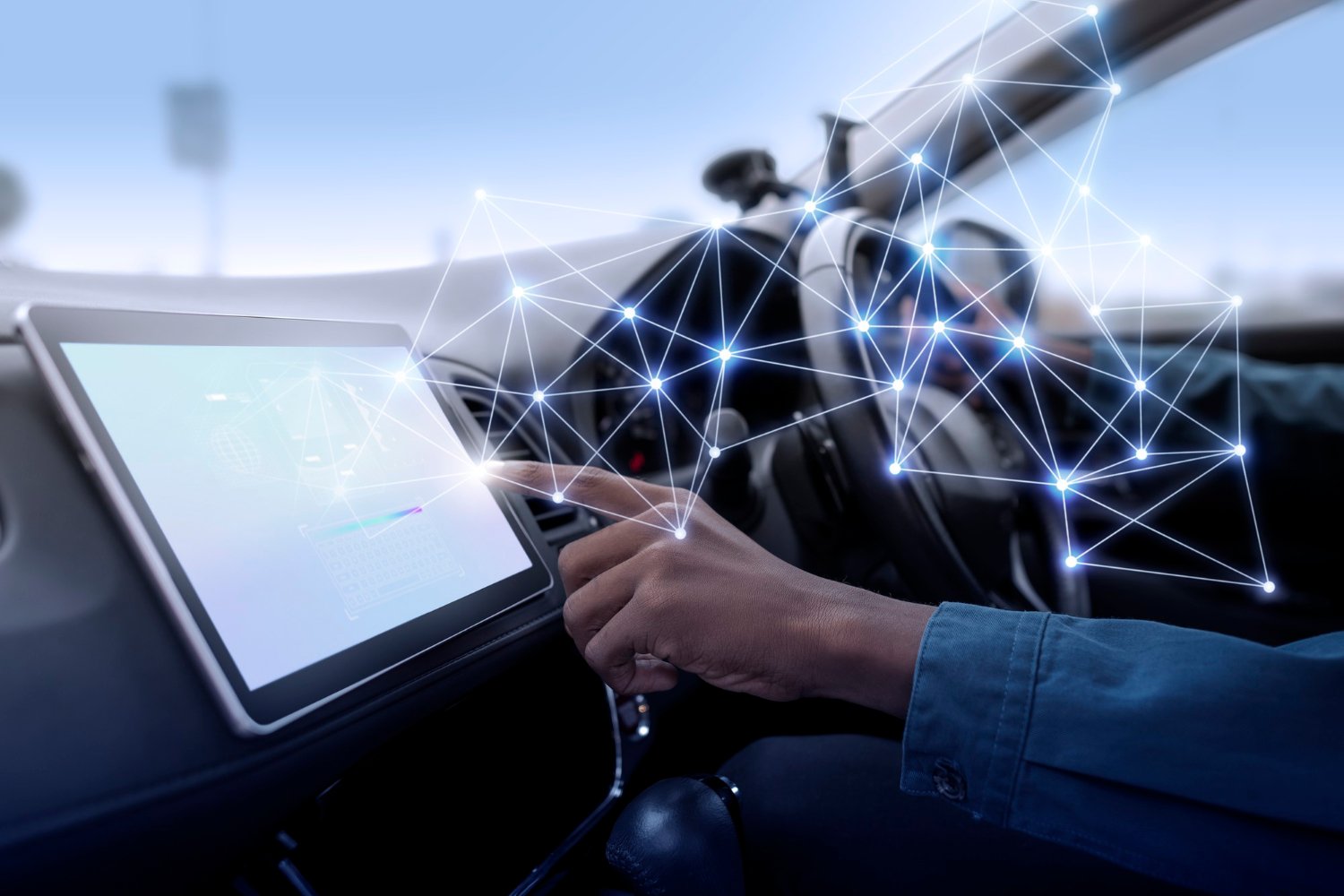
Today’s cars are equipped with forward-facing cameras attached directly to the windshield, generally right below the AS-1 demarcation for proper visibility, but also within the area of the glass that, by law, cannot contain any tinting. These cameras provide information to safety systems such as Lane Departure Warning or Automatic Emergency Braking. And often, more sensors are aggregated in the same vicinity, whether provided with Radar or Lidar technology. Most of them are using the windshield as reference surface or even to expose these sensors to the outside world to protect them from environmental exposure.
So, replacing a windshield isn’t merely swapping out safety glass, you’re shifting the physical location of the car’s “eye.” And even a one-degree angle modification during the sensor recalibration process can produce an approximate positional error of about 50 feet at a highway distance, which potentially means a too-late braking response or false lane departure.
“No Warning Light” Doesn’t Mean the System is Working
And most importantly, drivers are often unaware of any potential issues. The aftermarket glass industry has no regulations on the training required for replacement technicians, so an improperly installed windshield is all too common. This can lead to inaccurate calibrations, obstructed cameras, faulty sensors, and more. The worst part? We have no way of knowing. No dashboard alert will appear and no error message will inform the driver of a camera that is blind and misfiring. We’ll continue to drive with blind faith that our ADAS technology is keeping us safe.
Static vs. Dynamic Calibration – They’re Not Interchangeable
An ADAS camera reset after windshield replacement can be one of two procedures. It’s either a dynamic calibration process, which requires the vehicle to be driven under specific conditions as the system resets using live data, or a static calibration process that takes place with the vehicle in a specific location, the camera pointed at a particular target, and the system re-centered using diagnostic software. It’s not an either/or situation. It’s a both/and. Many vehicles require both static and dynamic calibration steps be correctly performed in order.
The dynamic calibration process is the subject of much mystery because, alas, not all of the manufacturers are 100% transparent about the process. Different makes and models of vehicles have different requirements and constraints. A factory repair manual is the best source of this info if the manufacturer isn’t forthcoming. The process, depending on the make/model of the vehicle, can be initiated using scan equipment. The technician could have to activate the procedure using the “scan tool” and then the onboard technology in order to confirm the calibration status (pitch, roll, and yaw) upon completion.
The static calibration process is the one that is most often performed incorrectly. This is why calibrating ADAS after replacement matters so much, most technicians need to be educated about this process as it’s likely to be performed incorrectly resulting in an out of spec recalibration or just basic wasted time. A series of pricey fixtures is being marketed for the static procedure but most of them still pre-align the target and DOF the camera pre-scanning.
The Liability Question Shops and Owners Often Miss
Not making a regular recalibration poses a safety risk and can lead to documentation issues as well. Many OEMs will state in their repair procedures that ADAS recalibration is necessary after a windshield replacement. If that recalibration isn’t completed and documented, a warranty claim directly linked to sensor operation could be refused. More notably, if a collision occurs and it’s determined that the ADAS system wasn’t recalibrated following a previous glass replacement, liability becomes very complex in a hurry, not only for the shop that performed the work but also for the vehicle owner who authorized it.
Insurers are becoming more and more cognizant of ADAS as a factor in collision claims. A system that was technically recalibrated but wasn’t operating within the tolerances deemed necessary by the vehicle manufacturer can be difficult to arbitrate.
Treating Glass Service as Precision Work
The industry has been slow to fully realize how different the job has become. Yes, it’s still “just” auto glass. And it’s still pitched as a commodity. But these aren’t simple vehicles. That camera on the glass? It’s part of a system that processes speed and trajectory in real time.
Those OEM standards? They exist because the tolerances are so small and the stakes aren’t on paper. A shop that cheapens out the physical repair by not conducting a calibration, using non-OEM glass, or shortening the bonding process isn’t simply cutting corners. It’s returning a car that will drive erratically in the exact circumstances ADAS should take care of. That’s a little more serious than a little water leakage.