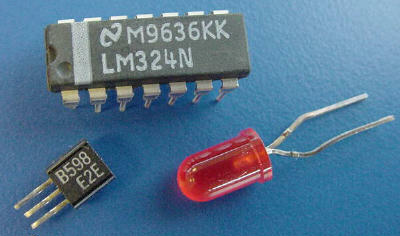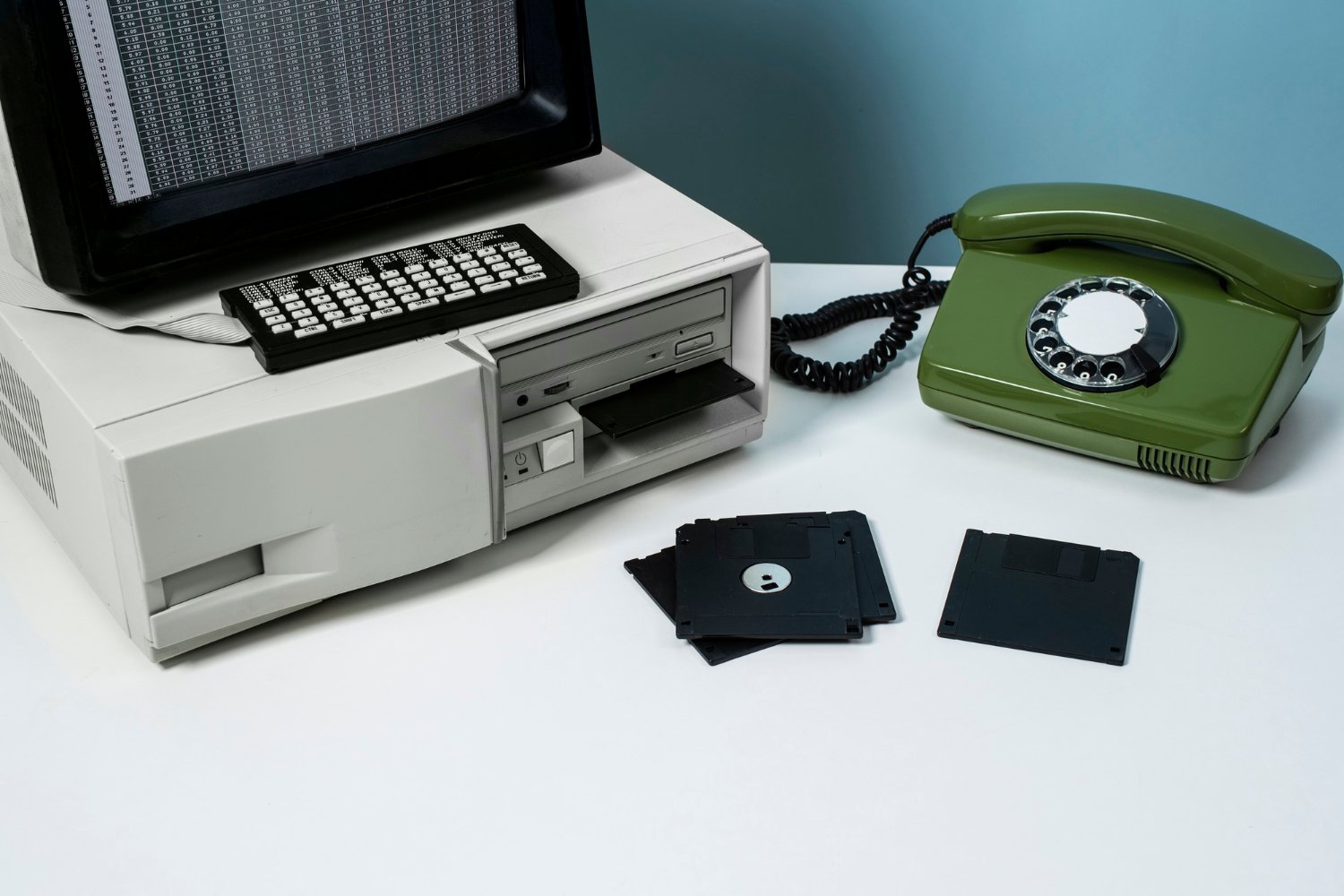
That gadget in your drawer isn’t inert, neutral. The month it lays there, it becomes less valuable and sometimes a real physical danger. A tech audit is not something you do to clean up, it’s a money decision most are making by default.
The utility vs. sentiment test
Let’s begin with a simple rule: if you haven’t turned on a device in six months, it doesn’t automatically qualify for a place on your shelf. Gather everything – old phones, handheld consoles, external hard drive, tablets, charging cables etc. – and divide it all into two piles. The first is utility: you use it, it works, it uniquely does or represents something nothing else does. The second is sentiment: you’re keeping it simply because you feel bad throwing it out.
Sentiment isn’t nothing. But it’s helpful to be honest about what you’re prioritizing. Most people find that 80% of their dormant tech falls into a third category they didn’t anticipate: things they neither use nor particularly care about, but just never got around to sorting out. Move those first.
The depreciation argument
Consumer electronics depreciate quickly – more quickly than we tend to notice. A system that cost $300 at launch three years ago could’ve resold for $120 last year and $60 this year. Off-brand phones and generic laptops don’t follow that pattern too much. But the market doesn’t care how “lightly” something was used. It only cares how old it is.
That’s why the instinct to keep old tech around “just in case” costs more than you think. You’re not conserving a resource. You’re holding onto a shrinking one. The opportunity cost isn’t a hypothetical – it’s money locked into a weakening asset that isn’t going into your savings.
There’s still one caveat: old tech that collectors are interested in, and far more of it applies to that category than we’d like to think.
High-demand legacy tech is a different game
Old gaming hardware, audio gear, and handheld devices. These things behave differently in the marketplace than most other electronics. Not all are worth bank, but some are worth researching. Physical game libraries are a good example. A collection of cartridges or discs that a household stopped using a decade ago can represent genuine value to someone actively looking for them today. The retro gaming market has grown significantly, and enthusiast buyers pay real money for condition-dependent pieces that casual sellers undervalue.
If you have a gaming library gathering dust, it’s worth researching the best place to sell video games online before assuming the stuff is worthless. Specialized platforms that cater to collectors will consistently return more than generic marketplaces where everything competes on price alone. The same logic applies to vintage audio gear, certain camera systems, and first-generation devices with specific cult followings. Do the research before the sale, not after.
Battery risk and hardware obsolescence
There is a practical safety argument for letting go of older tech that really doesn’t get enough attention. Lithium-ion batteries degrade when left in a discharged or partially charged state for long periods of time. A swollen battery in an old phone or tablet isn’t just a dead device – it’s a fire risk. Stashed charging cables from older standards can also be hazardous if the insulation has begun to degrade.
Then there’s hardware obsolescence. Machines that can’t be updated with new firmware or security patches aren’t just slow – they’re potentially compromised. Keeping them on your home network, even intermittently, exposes the rest of your gear to unnecessary risk. “Just in case” hardware that can’t run modern software likely can’t perform its intended function in an emergency, either.
Data sanitization before anything leaves the house
Make sure you wipe any device before you sell, give, or throw it away. This may seem like a small thing, but in the big picture, it’s crucial. At minimum, a factory reset is in order; for devices that handled professional or financial data, use specialized data wiping software that overwrites storage at least a few times.
The data on these disks is far too easy to recover using easy-to-find tools, even after a factory reset. Don’t make the mistake of thinking that super old device you kept under the bed for years isn’t worth selling, either – those old hard drives are treasure troves for identity thieves.
And please, don’t worry about how kind it is to the environment to pass your old device on to someone else for reuse if you didn’t plan to in the first place. Reselling an old device is vastly less energy-intensive than mining, smelting, and processing the same amount of material to build a new one.
Move on it while the value is there
There is actually a limited time during which you can turn your old tech into cash, and this window of opportunity will eventually close. Performing a systematic inventory process which includes categorizing the devices, evaluating whether they still contain private data, estimating the potential value on the market, wiping the data they might still hold, and finally selling them, isn’t as time-consuming as you might imagine, however. In fact you can get the job done over a weekend.
The effort is well worth it, if you know what potential buyers might be willing to pay and which technology will command top dollar.