
Metal fabrication is experiencing a remarkable evolution as new technologies reshape processes and redefine industry standards. For professionals in this field, understanding current trends is key to remaining competitive and adapting to customer expectations. In many applications, precision and quality are enhanced through innovations such as custom sheet metal fabrication, which enables unmatched adaptability and efficiency for both small- and large-scale projects.
Whether upgrading existing shop capabilities or exploring new service opportunities, manufacturers must now navigate a landscape where automation, sustainability, and advanced modeling are critical to business success. Embracing these developments supports greater productivity and creates a foundation for future growth in the ever-changing world of metal fabrication.
Automation and Robotics Integration
Automation and robotics are now fundamental in metal fabrication plants. The prevalence of robotic welding systems, automated bending, and CNC machining centers reflects a broader industry push toward faster cycle times, improved product quality, and cost control. These intelligent machines enable continuous production and reduce reliance on manual processes, which can often introduce variability and human error. According to Manufacturing.net, automation allows metal fabricators to secure a competitive edge by meeting increased volume demands without sacrificing accuracy or consistency. With skilled labor shortages affecting the sector globally, leveraging robotics also helps to alleviate capacity pressures and maintain service levels.
Advanced Cutting Technologies
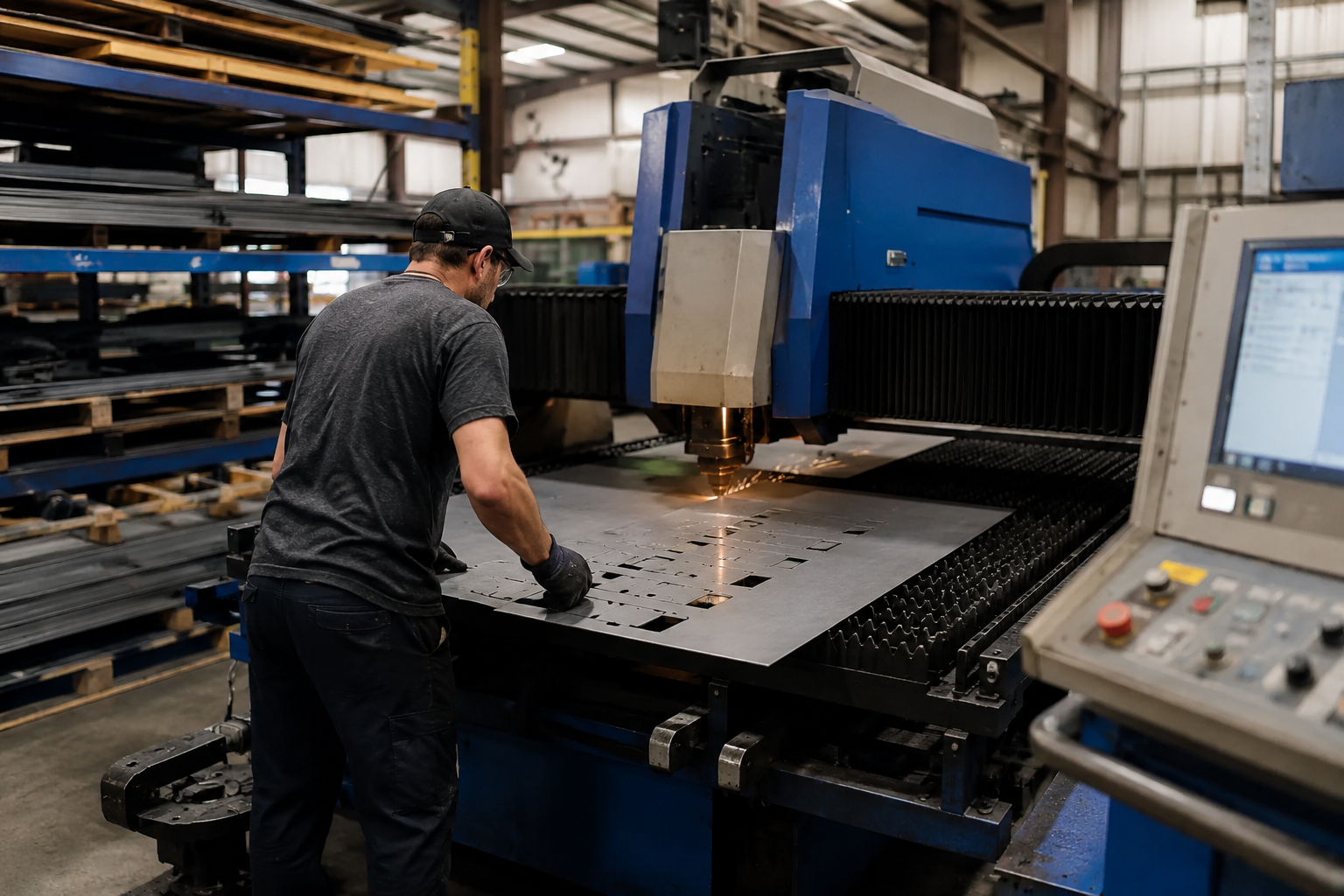
The rise of high-power laser and plasma cutting equipment marks another transformative step in fabrication efficiency. These technologies enable cuts in thicker, more complex materials with high accuracy, reducing the need for secondary finishing such as grinding or sanding. For example, advanced plasma systems like the Hypertherm XPR460 can pierce through substantial steel thickness, optimizing throughput on shop floors and supporting intricate custom designs. The outcomes are cleaner edges and more efficient usage of base materials, resulting in less waste and lower production costs.
Sustainable Practices
The growing emphasis on sustainability is prompting fabricators to rethink energy use, waste management, and material sourcing. Many businesses now recycle scrap metals, invest in energy-saving equipment, and collaborate with suppliers who share their values regarding environmental stewardship. Beyond regulatory compliance, these strategies offer reputational benefits and can open doors to new projects with environmentally conscious clients. The Environmental Protection Agency (EPA) highlights that sustainable management of metals decreases greenhouse gas emissions and conserves natural resources, underlining its importance in today’s market.
Building Information Modeling (BIM)
Building Information Modeling (BIM) technology is revolutionizing planning and collaboration in metal fabrication, particularly for large construction projects. BIM platforms offer project teams detailed 3D visualizations and simulations, enabling design validation before production begins. This proactive approach leads to better coordination among architects, engineers, and fabricators. As a result, errors are reduced, revisions are minimized, and cost overruns become less common. Modern fabricators who adopt BIM workflows also frequently benefit from shortened project timelines and streamlined communication from concept through delivery.
Additive Manufacturing
Additive manufacturing, often referred to as metal 3D printing, is an area of rapid expansion. Unlike traditional subtractive methods, additive techniques construct components layer by layer, unlocking the potential for complex geometries that would otherwise be impossible or cost-prohibitive. This capability improves rapid prototyping and enables the fabrication of lightweight, customized metal parts with reduced material waste. Industries such as aerospace, automotive, and medical device manufacturing are integrating metal additive processes to deliver higher performance and faster solutions to clients.
High-Performance Coatings
Another notable trend is the advancement of high-performance coatings for metal products. These coatings enhance resistance to corrosion, abrasion, and chemical exposure, greatly extending the lifespan of finished parts, especially those destined for harsh or outdoor environments. Modern formulations go beyond traditional paint, leveraging nanotechnology and advanced polymers to offer superior protective qualities. These improvements reduce maintenance requirements and support the long-term sustainability of assets used across various industries.
Reshoring and Supply Chain Localization
The past few years have illustrated the volatility of global supply chains, leading many fabrication companies to reshore production and localize supply sources wherever possible. By emphasizing domestic procurement of raw materials and components, fabricators not only guard against delays and shortages but also improve quality control and responsiveness. This localization trend supports local economies and reduces the environmental impact of long-distance shipping, creating a more resilient and agile manufacturing sector. Current events and disruptions continue to highlight the importance of reshoring as a strategic advantage for modern businesses.
Conclusion
Modern trends in metal fabrication reflect a sector in transformation. Automation, advanced cutting, sustainable practices, BIM integration, additive manufacturing, innovative coatings, and reshoring all drive forward-thinking approaches to the design and production of metal components. Staying abreast of these changes helps companies remain competitive and ready for the future challenges and opportunities that come with a rapidly evolving industry.