








In today’s dynamic threat environment, organizations can no longer rely exclusively on signature-based methods to protect their digital assets. With attackers growing more adept at evading traditional defenses, cybersecurity professionals are turning to innovative solutions that go beyond obvious indicators. One such strategy combines cutting-edge monitoring and analysis, similar to that offered by a threat hunting platform, to spot dangerous anomalies before they escalate into major incidents.
Behavioral analytics focuses on the unique activity footprints left by users and machines, enabling organizations to identify anomalies effectively. This approach is crucial in detecting sophisticated cyber threats that disguise themselves within normal operations, especially in environments where remote work and cloud technologies are prevalent. By understanding context and behavior rather than just known risks, organizations enhance their security posture and improve threat detection. Integrating behavioral analytics into security strategies has proven beneficial in identifying insider threats and mitigating attacks, such as ransomware, before they cause harm.
Understanding Behavioral Analytics
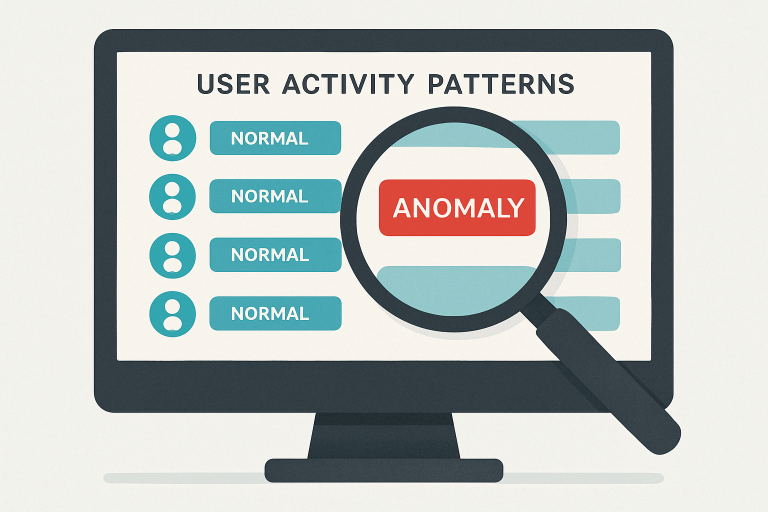
Behavioral analytics leverages large-scale data monitoring and high-powered analytics to observe and understand the normal workflow of users, devices, and applications across a network. It establishes a baseline of typical operations, such as login frequency, file access, or data transfer volume, that serves as a benchmark for detecting anomalies. When the system detects deviations, such as a user accessing sensitive files at unusual times or transmitting unusually large amounts of data, it generates an alert for investigation.
This approach is fundamentally different from signature-based defenses, which typically search for known malware patterns or indicators of compromise. Instead, behavioral analytics is proactive, adaptable, and rooted in the specifics of the organization’s own environment. This enables more tailored, context-aware security coverage.
Importance in Modern Cybersecurity
The ever-changing tactics of cyber adversaries, including the use of zero-day attacks and advanced persistent threats (APTs), demand more than static security controls. Behavioral analytics empowers organizations to spot threats that have never been seen before by evaluating how actions deviate from baseline expectations. Rather than waiting for a threat to be catalogued with a known “signature,” these systems look for anything suspicious or out of character.
The importance of behavioral analytics is heightened in environments where attackers may mimic trusted users or co-opt legitimate applications for malicious purposes. By monitoring activity patterns over time, organizations can identify threats as they emerge, mitigate risks more effectively, and ensure that data protection standards meet regulatory and operational demands. According to an article by Wired, organizations adopting behavioral analytics have achieved earlier threat detection and faster remediation than those relying solely on traditional tools.
Key Components of Behavioral Analytics
- Data Collection: Centralizing detailed logs from endpoints, user actions, application transactions, and network activity.
- Baseline Establishment: Using statistical analysis and machine learning to define what standard behavior looks like for each user and device.
- Anomaly Detection: Identifying deviations such as abnormal logins or unexpected data transfers—that could indicate malicious intent or security incidents.
- Incident Response: Implementing automated or manual measures to isolate, contain, and investigate threats when anomalies are spotted.
Real-World Applications
Practical uses for behavioral analytics span several critical cybersecurity domains:
- Insider Threat Detection: Monitoring employee actions for red flags such as excessive data downloads, off-hour access, or unauthorized attempts to reach sensitive information.
- Advanced Persistent Threat Identification: Catching subtle lateral movements, privilege escalations, and data exfiltration attempts that often define sophisticated intrusions.
- Fraud Prevention: Recognizing irregular spending or transaction patterns supporting both financial sector security and broader digital commerce ecosystems.
Challenges and Limitations
While behavioral analytics is a powerful addition to security arsenals, it brings certain challenges that organizations must address:
- False Positives: Legitimate but unusual activities can sometimes be misinterpreted as threats, leading to alert fatigue if not carefully refined.
- Privacy Concerns: Because behavioral analytics involves in-depth monitoring of user activities, organizations must strike a balance between security and ethical/privacy considerations, ensuring compliance with relevant laws.
- Integration Complexity: Deploying behavioral analytics can require extensive technical resources, especially if legacy infrastructure needs significant adaptation.
Future Trends
The future of behavioral analytics is set to be shaped by major technological and operational trends:
- AI Integration: Advanced machine learning models are increasingly used to automate risk identification, improve detection speed, and reduce false positives.
- Real-Time Monitoring: Cutting-edge systems now enable security teams to spot potential risks and respond instantaneously crucial as threats develop at unprecedented speeds.
- Comprehensive Entity Analysis: Expanding beyond users, modern behavioral analytics is being applied to devices, workloads, and service accounts across clouds, providing layered, holistic coverage.
Conclusion
As organizations face increasingly sophisticated threats, behavioral analytics offers a critical line of defense by identifying risks that conventional tools cannot reach. By leveraging behavioral analysis, businesses are better positioned to detect abnormal activity, thwart complex cyberattacks, and defend their reputations and assets in a rapidly evolving digital world.