








A crawl space door substantially boosts your home’s curb appeal and gives you access to an often forgotten area of your property. Most homeowners think it’s complicated, but you can install one yourself with durable materials like pressure-treated wood and cedar pickets.
The right tools and proper planning make crawl space door installation work smoothly. This piece guides you through every step to build a sturdy, lasting access door. You’ll learn about taking measurements and mastering installation techniques. We cover everything in choosing between wood, metal, or vinyl materials to help you finish this home project successfully.
What readers will learn:
- How to accurately measure and plan their crawl space door project
- Material selection and preparation techniques
- Step-by-step installation instructions
- Economical solutions and common mistakes to avoid
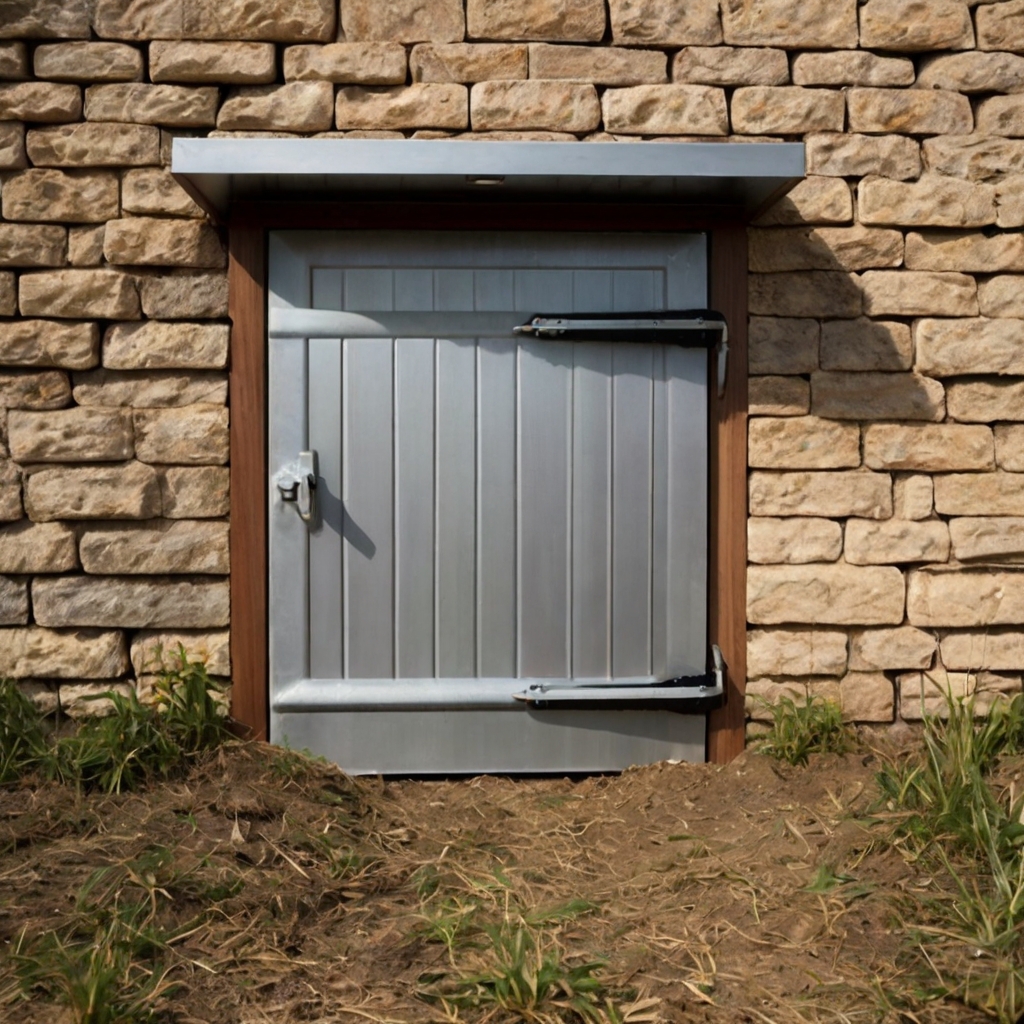
Planning Your DIY Crawl Space Door Project
A good plan lays the groundwork to install your crawl space door right. You need to review your needs and get the right measurements before buying materials or making cuts. This prep work will give a perfect fit, smooth operation, and the right protection for your home’s foundation.
Measure your crawl space opening accurately
Getting exact measurements is the most vital first step in your crawl space door project. Doors that don’t fit well can break the crawl space’s airtight seal. This can lead to water damage, higher humidity, and mold growth.
When measuring for your crawl space door:
- Measure the rough foundation opening directly, not any existing wood or metal frame
- Take two width measurements and use the smaller of the two
- Take two height measurements and use the smaller of the two
- Note any obstacles within 3 inches of the opening, such as ground level, siding, pipes, or electrical components
Standard crawl space doors usually range from 18″ x 24″ to 24″ x 36″, though custom sizes are available. The frame for pre-made doors should be about 3/16″ smaller than the opening on all sides for an easy fit.
Taking photos of the entire opening plus surrounding 6 inches helps a lot. These pictures are great when buying materials or talking to experts about your project.
Choose between interior and exterior crawl space doors
Your choice between interior or exterior crawl space access shapes your project’s complexity and future home maintenance.
Exterior crawl space doors let you access from outside your home. These doors need:
- Weather-resistant materials to handle outdoor conditions
- Better construction quality to last longer
- Smart placement in hidden spots, usually behind the building
- Space from plants that could block entry
Interior crawl space doors are inside your home, often as floor hatches. These doors give you:
- Better defense against water and pests
- Lower prices than exterior options
- Protection from harsh weather
- Simple material needs (regular materials work fine)
Outside access makes life easier for maintenance crews who won’t need to enter your home. In spite of that, inside access means one less hole in your exterior wall—which helps structural integrity.
Most crawl space entrances are 2-3 feet square. That’s big enough to let lots of air and temperature changes through. A well-installed door keeps nature out of your crawl space. It blocks rain, snow, and debris that could hurt your foundation and make floors sag.
DIY installation sounds good, but small mistakes can break the crawl space’s airtight seal. This small problem can cause big structural issues like wood rot in walls, floors, and support beams. So you need careful planning and precise work throughout your crawl space door project.
Your final choice between inside and outside access should match your priorities for convenience, moisture control, security, and looks. Both types work well when installed properly with the right materials and careful weatherproofing.
Choosing the Right Materials for Your Door
Your choice of crawl space door materials is a vital decision that affects how long the door lasts, how much maintenance it needs, and how well it protects your home. You need to find the right balance between durability, budget-friendly options, and what works best for your property’s environment.
Wood vs. metal vs. vinyl: pros and cons
Wood doors look traditional and you can customize them easily. Most are made from plywood, which makes them easy to cut for a perfect fit. You can paint them to match your house’s exterior. All the same, wood doors need regular upkeep. You’ll have to stain, paint, or seal them to stop rot, warping, and pest damage. These doors don’t last long when they get wet without proper treatment.
Steel doors are incredibly strong and secure. They can handle extreme weather, heavy rain, and strong winds without breaking down. They’re easier to maintain than wood – just wash them with soap and water now and then. But steel comes with two big drawbacks: it might rust over time and doesn’t insulate as well as other materials. A steel crawl space door runs about $525. If you need a window well installed too, that adds another $700-$725.
Vinyl/PVC doors might be your best all-around choice. These doors naturally fight off moisture, so you won’t see the rot, warping, or decay that happens with other materials. They’re light and easy to install, which means less strain on hardware and a longer life. Vinyl just needs occasional cleaning to remove dirt and mildew. The Turtl, a high-end vinyl option, costs around $2,700 with installation.
Plastic doors (usually PVC) are great if you’re watching your budget. They’re light, simple to install, and handle moisture well. They aren’t as strong as steel doors though.
When to consider an insulated crawl space door
You should think about an insulated crawl space door if you want better energy efficiency. Good insulation keeps your crawl space temperature steady, which helps control your home’s comfort and energy bills.
Insulated doors work best for:
- Homes with sealed crawl spaces where you need an airtight seal for better air quality
- Houses in areas with big temperature swings
- Places where your HVAC system works too hard to keep temperatures comfortable
Modern insulation choices include closed-cell spray foam that fights moisture and air leaks really well, and foam board insulation that blocks heat transfer effectively. E-Z Access Small Frame Insulated Crawlspace Doors come with 3/4″ EPS insulation on both door and frame, giving you an R-value of 6.
Weatherproofing and pest protection considerations
Start weatherproofing with a solid frame. Put in pressure-treated wood before you add any door. Weather stripping and tough caulk help seal out air and keep humidity low.
To keep pests out:
- Pick materials that animals can’t damage (vinyl/PVC or metal)
- Make sure doors fit tight with no gaps
- Connect crawl space vapor barriers to the inside of your door frame
- Think about adding special crawl space vent covers to block rodents and bugs
Small gaps around crawl space doors let in pests that can bring disease and mess up your indoor air quality. That’s why you need crawl space doors with tight seals to keep out moisture, humidity, and unwanted visitors.
Most homeowners find that vinyl/PVC offers the best mix of value, toughness, and performance for DIY installations. Your final choice should weigh what you can spend now against benefits like durability, energy savings, and future maintenance costs.
Step-by-Step Crawl Space Door Installation
You can install your own crawl space door with careful execution and attention to detail. The project becomes manageable even for DIY beginners if you take the right approach. Let’s break this down into clear steps that will give a working crawl space door.
Prepare the frame and clear the area
The opening area needs to be clean without any debris. A secure frame creates the foundation for your crawl space door installation. Pre-purchased door kits come with their own frames, so use those instead of making one. You’ll need treated 2×4 lumber to prevent wood rot and structural issues if you’re building your own frame.
To assemble the frame:
- Start with the bottom frame section
- Cut and measure the frame for a tight fit between wall openings
- Make sure the top frame fits snugly between jambs
- Use masonry screws and a drill to secure the frame to the foundation
“Frame security cannot be overstated,” many contractors explain. “A loose frame leads to air leaks, moisture intrusion, and eventually, crawl space damage.”
Cut and treat your wood or metal panels
The door materials need preparation after the frame is ready. Measure and cut pressure-treated No. 2 pine lumber based on your planned dimensions. Line up the cut with your marks and ensure straight edges for siding materials to fit properly.
All wooden parts need moisture-resistant sealants before installation. This step prevents wood rot and makes your crawl space door last longer. Even pressure-treated wood needs extra sealing, especially where you’ve made cuts and treatment chemicals haven’t reached.
Metal or vinyl panels require cutting according to manufacturer guidelines. Check all edges to make sure they’re smooth – sharp edges can make future crawl space access dangerous.
Install hinges and secure the door
The door’s smooth operation depends on correct hinge placement. Put hinges at each end of the door, facing outward for proper swing. Mark exact hinge spots on both door and frame with a pencil before you attach them.
Here’s how to install hinges:
- Make guide holes first to avoid wood splitting
- Attach hinges to the door
- Line up the door with the frame
- Secure hinges to the frame while keeping spaces even
Put the latch on the side opposite to hinges after they’re installed. You can choose from different latches, including magnetic catches that won’t rust and last longer.
Test the fit and make final adjustments
Test your new crawl space door by opening and closing it several times. Look for smooth operation and make sure it closes without gaps around the edges.
You might need to:
- Move hinges if the door doesn’t close right
- Tighten any loose screws if there’s sagging
- Add weather stripping to close air gaps
- Move the latch for better closing
Use appropriate caulking to seal any gaps around the frame. This creates an airtight barrier that keeps moisture and pests out.
Your crawl space door might need a lock, especially if it’s on the exterior. Simple hook-and-eye systems or D-style latches like those on steamer trunks work well.
A well-installed crawl space door gives you easy access and helps control humidity while preventing flooding. Your DIY crawl space door will protect your home’s structure and work reliably for years if you follow these steps carefully.
Cost Breakdown and Budgeting Tips
Smart budgeting helps homeowners plan their crawl space door projects better and get the best value. DIY enthusiasts can achieve great results without overspending by looking at costs upfront.
Estimated cost of materials and tools
Crawl space door prices vary a lot based on what they’re made of and how they’re built. You can get a simple pre-made door for $62 to $98. Custom-built options start at $80 and can cost more than $600, depending on size and quality.
Here’s what you’ll spend on materials:
- Plywood and pressure-treated lumber: $40-100
- Vinyl/PVC doors: $80-200
- Metal/steel doors: About $525
- Insulated doors: $270-600
You’ll need to add $15-30 to your budget for weatherproofing materials if you’re installing the door outside. Hardware like hinges and latches will cost another $20-40. You might also need to rent some tools if you don’t own them.
How to save money with reclaimed or pre-treated wood
Budget-conscious homeowners can save money by using reclaimed materials. Old wood from previous projects or reclaimed lumber cuts down costs, though there are some trade-offs.
Yes, it is true that reclaimed doors need extra work to fit and finish properly. Local countertop shops often give away sink cutouts that make great crawl space doors. Home improvement stores sell fence boards that work well with screening materials – another affordable option.
Pre-treated lumber saves money and comes with built-in protection against rot and termites. Natural wood looks great and lasts longer with clear protective coatings.
When to invest in higher-end materials
Premium materials cost more at first but pay off through better durability and less maintenance. Homes in humid areas or places with extreme weather need reliable materials that won’t get damaged by moisture.
Vinyl and fiberglass doors might cost more upfront but need very little maintenance and handle moisture better. Insulated doors that cost $270 or more make sense for encapsulated crawl spaces or homes where temperatures vary a lot. They help keep temperatures stable and might lower energy bills.
A good crawl space encapsulation with quality doors costs between $5,000-15,000. This prevents foundation damage that could cost $3,000-10,000 to fix. Moisture barriers cost $5-60 per square foot and protect against water damage that can ruin your home’s structure.
Think of crawl space doors as investments rather than expenses. This mindset helps homeowners focus on long-term benefits instead of quick savings.
Common Mistakes to Avoid During Installation
DIY enthusiasts often make mistakes with crawl space door installations that can hurt long-term performance. These common pitfalls can get pricey to fix and weaken your home’s structure.
Skipping moisture treatment
Moisture is your crawl space door’s worst enemy, especially with wooden parts. Wood that hasn’t been treated breaks down quickly in humid conditions. It warps, rots, and fails structurally. Many homeowners rush to install plywood doors without sealing them properly and end up replacing them too soon.
The damage goes beyond just the door. Moisture that sneaks through untreated doors raises humidity levels dangerously. This threatens your home’s air quality and wooden supports. High moisture levels create perfect conditions that let mold grow and rot spread through your home’s foundation and floor supports.
Your crawl space door will last much longer if you seal all wooden parts with moisture-resistant products. This includes pressure-treated lumber, especially at cut edges where treatment chemicals don’t reach deep enough.
Improper hinge placement
Your door’s hinges can make or break its performance and durability. Professional installers have found that hinges work best when placed at each door end, facing outward to control swing direction. This detail determines whether your door opens smoothly or catches on the frame.
Common hinge mistakes include:
- Too few hinges to support door weight
- Cheap hardware that rusts quickly
- Wrong positioning that makes doors sag
Expert carpenters suggest placing the top hinge 7 inches from the top and the bottom hinge 10-11 inches from the bottom. Any middle hinges should be spaced evenly between these points.
Not accounting for door swing clearance
Many DIY projects fail because homeowners don’t plan enough space for the door to swing. Doors that can’t open fully or hit nearby objects create major headaches. This oversight makes it hard to access the space during maintenance or emergencies.
Exterior crawl space doors need clear access without bushes or weeds blocking the way. Inside doors need enough room to open completely without hitting furniture.
A well-installed crawl space door does more than just provide access. It controls moisture and helps prevent flooding, but only when you avoid these common mistakes.

A successful crawl space door installation depends on careful planning, the right materials, and precise execution. This project might look simple, but you just need to pay attention to every detail – from your original measurements to the final tweaks.
The long-term durability of your door relies on quality materials like vinyl, metal, or treated wood. Budget-friendly options are available, but homeowners should think over their local weather conditions and priorities before choosing materials. A properly installed crawl space door does more than provide easy access – it guards against moisture damage, keeps pests out, and prevents structural problems.
First-time DIY enthusiasts must focus on moisture treatment, correct hinge placement, and enough clearance. These key elements determine if your door will work for years or need early replacement. On top of that, good weatherproofing and regular maintenance checks help protect the door’s integrity and your home’s structural stability.
Time spent on proper installation techniques and quality materials today saves you from getting pricey repairs down the road. With systematic execution and close attention to detail, you can complete this project with confidence and keep your crawl space secure and protected.
Here are some FAQs about crawl space door:
Can you put a door on a crawl space?
Yes, you can absolutely install a crawl space door to provide secure and convenient access to your crawl space. An exterior crawl space door is particularly useful for homes with outdoor access points, helping to keep pests and moisture out while allowing maintenance access. There are many crawl space door ideas available, from basic wooden panels to insulated metal doors with proper seals.
What size is a standard crawl space door?
The standard size for crawl space doors is typically 18×24 inches, though this can vary based on your specific needs. Many crawl space access doors fall within the range of 18-24 inches wide and 24-30 inches tall to accommodate most adults. When selecting crawl space doors, always measure your existing opening and consider both accessibility and functionality.
What is the best material for a crawl space door?
The best materials for crawl space doors include treated wood, aluminum, or heavy-duty plastic that can withstand moisture and pests. An exterior crawl space door should be particularly durable, often made of galvanized steel or aluminum with proper insulation. For crawl space door cover options, many homeowners choose materials that match their home’s exterior while providing adequate protection.
Should I leave my crawl space door open?
No, you should not leave your crawl space door open as it can allow moisture, pests, and outdoor air to enter. A properly sealed crawl space access door helps maintain consistent humidity levels and prevents unwanted visitors. During maintenance, it’s fine to open temporarily, but always ensure your crawl space doors are securely closed afterward.
Can I enclose my crawl space?
Yes, you can enclose your crawl space by installing proper crawl space doors and sealing all openings. Complete enclosure often involves adding insulation, vapor barriers, and an airtight crawl space access door. Many crawl space door ideas focus on creating a fully sealed environment that improves energy efficiency and prevents moisture issues.
How to make a crawl space door airtight?
To make a crawl space door airtight, install weatherstripping around the frame and use foam gaskets or door sweeps. Consider an insulated crawl space access door with a tight-closing mechanism for maximum efficiency. For additional protection, a crawl space door cover can be added over the primary door to create an extra barrier against air infiltration.
What kind of wood is used for crawl space doors?
Pressure-treated lumber is the most common wood used for crawl space doors because it resists moisture and insect damage. For exterior crawl space doors, cedar or redwood are also good options due to their natural rot resistance. Many crawl space door ideas incorporate these durable woods with protective finishes to extend their lifespan.
What is the minimum size access opening allowed for a crawl space?
The International Residential Code requires a minimum crawl space access opening of 18×24 inches, though some local codes may vary. This standard size accommodates most crawl space doors while allowing sufficient room for entry. When planning your crawl space access door installation, always check local building regulations for specific requirements.
Can you move a crawl space door?
Yes, you can move a crawl space door, though it requires careful planning to maintain structural integrity. Relocating crawl space doors may involve reframing the opening and ensuring proper support for the floor system above. Many homeowners choose to consult professionals when considering new crawl space access door placement to ensure proper installation and code compliance.