








Purchase Preparation: Know What You Want
Start your car-buying journey by evaluating your daily habits, such as your commute, family size, and how much cargo space you require. Consider the type of driving you’ll be doing—whether it’s city commutes, highway cruising, or off-road adventures—and make a list of must-have features like fuel efficiency, advanced safety technology, and connectivity options. This process narrows your choices and ensures your new car truly fits your lifestyle, allowing you to stay focused when browsing extensive inventories from trusted central Florida Dodge dealers.
Before heading to a dealership, it’s essential to have a clear sense of what you’re looking for. Write down your preferred vehicle types—SUVs for more space, sedans for efficiency, or trucks for their utility. Don’t overlook optional features that can make your driving experience safer and more convenient, like adaptive cruise control, blind spot monitoring, or a reliable infotainment system. By coming prepared with this list, you’ll spend less time browsing aimlessly and more time focusing on vehicles that genuinely suit you.
Your lifestyle, budget, and must-have features will act as your roadmap throughout the car-buying process. Setting clear priorities can also streamline conversations with sales representatives, helping you steer clear of upsells that don’t fit your true needs. Whether shopping for brand-new models or considering certified pre-owned options, having your criteria established in advance can help you confidently navigate the variety where Central Florida Dodge dealers shine.
Current Market Trends Shaping Car Buying
The automotive marketplace is constantly evolving, and recent supply chain setbacks have led to reduced inventory and higher prices for new cars. Dealerships that once had lots filled with options may now have fewer vehicles on hand, which can impact both your choices and your ability to negotiate discounts. Staying informed about these trends will help set realistic expectations for the buying process.
One of the most significant changes is the growing popularity of hybrid and electric vehicles. With consumer demand rising for fuel-efficient and eco-friendly cars, many buyers are seeking out alternative powertrains, which may sometimes be harder to find or carry additional wait times. According to Reuters, new car sales have seen a steady rise this year, further influencing availability and pricing. As you shop, keep an eye on shifting incentives and dealership specials; timing your purchase around these can offer extra value.
Budgeting Tips for New Car Buyers
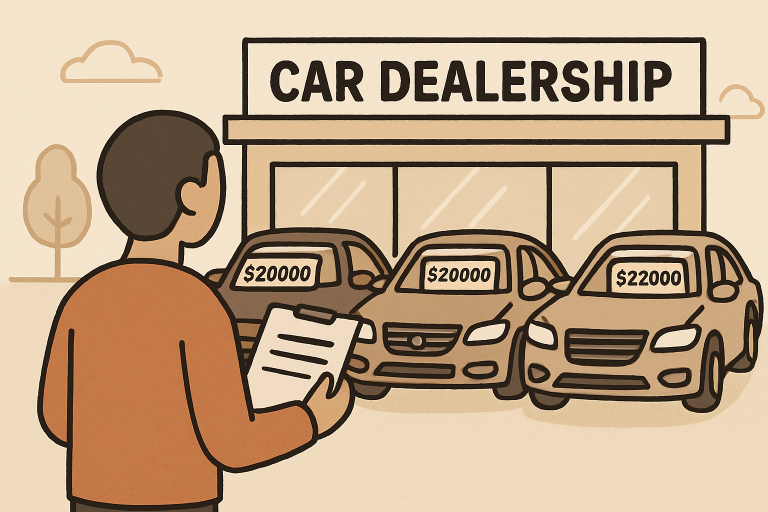
Defining your budget early prevents stress and disappointment. Set a firm limit covering the down payment, monthly payments, insurance, and fees. Include taxes, dealer charges, and desired add-ons. Experts suggest your monthly car payment, with insurance, should not exceed 15% of your take-home pay. Consider total ownership costs—fuel, maintenance, depreciation, repairs—by comparing vehicles within your budget to avoid unexpected expenses.
To find the widest selection of vehicles that fit your budget and criteria, many buyers turn to reputable car dealerships in Lakeland, FL, for new inventory and competitive prices. Browsing online before you visit in person can further streamline your search. Many dealerships offer online tools and virtual tours to help you explore options conveniently. Additionally, visiting multiple dealerships can give you a better sense of the available models and prices. Don’t forget to check for ongoing special offers and financing options to make the most of your purchase.
Vehicle Research: Tools and Resources
Thorough research is your best ally in the car-buying process. Use vehicle comparison websites, manufacturer platforms, and consumer advocacy resources to read real-world reviews, find current customer incentives, and check recent reliability ratings. Consumer Reports’ guide on tips for buying a new car is an excellent place to start your research journey.
Price comparison tools can help ensure you’re getting a fair deal, while dealer websites let you browse available inventory, request quotes, and sometimes even lock in special offers. Don’t overlook independent sites, such as Edmunds, for up-to-date information and expert reviews to help guide your decision with confidence.
Negotiation Basics: Getting the Best Deal
When you’re ready to discuss price, know that preparation is key. Research the manufacturer’s suggested retail price (MSRP), invoice price, and current market value for your chosen model. Be polite but assertive when requesting a better deal, and don’t be afraid to walk away if negotiations don’t match your expectations.
Trade-Ins and Their Value
If you plan to trade in your current vehicle, use resources like Kelley Blue Book to determine its fair market value. Consider getting quotes from multiple sources and use this information to boost your negotiating leverage at the dealership.
Comparing Financing and Leasing Options
Decide early whether leasing or buying with traditional financing best suits your budget and personal preferences. Leasing typically offers lower monthly payments but comes with mileage limits and no long-term ownership. Financing through a loan allows you to build equity in your car, but payments could be higher in the short term.
Shop around for competitive interest rates and carefully examine loan terms before making your final decision. Many buyers find it helpful to get pre-approved for a loan from their bank or credit union to strengthen their negotiating position at the dealership. Understanding your options ensures you can select the route that works best for your financial situation.
The Value of Test Driving and Inspections
Never skip the test drive—this is your opportunity to gauge comfort, performance, and ease of handling firsthand. Take note of visibility, controls, and all the advanced features you expect to use daily. Bring a checklist of questions and pay attention to unusual noises, braking, and acceleration responses.
Inspection Essentials
If you’re not purchasing brand-new, a thorough inspection is vital. Bring a trusted mechanic or arrange for a pre-purchase inspection to ensure there are no hidden mechanical issues. Even the most pristine-looking vehicles can hide potential problems, so this step is essential to avoid costly surprises later.
Final Steps: Paperwork and Delivery
Before signing any contracts, take your time to review every document and ask for explanations of all fees, taxes, and recommended add-ons. Read the fine print about warranty terms, return policies, and required services for keeping the warranty valid. Don’t feel pressured to purchase unnecessary extras; focus on what brings value and peace of mind.
Final delivery should be straightforward—a walkthrough of the car’s features, receiving all keys and documents, and confirming any post-sale promises. Some dealerships offer follow-up support and new car clinics; take advantage of these resources to smooth your transition into ownership.
Conclusion
Buying a new car in today’s market requires preparation, patience, and a strategic approach. By researching thoroughly, comparing options, and staying flexible, buyers can navigate rising costs and limited inventory with confidence. With smart planning and informed decision-making, securing the right vehicle at the best value becomes not only possible but rewarding.