







 Drive around any city today and you’ll notice something interesting. Most of the cars on the road are automatics. This wasn’t always the case. Twenty years ago, manual transmissions were much more common, especially outside of North America. But things have changed dramatically, and automatic cars are now the clear winner for most drivers.
The Numbers Don’t Lie
In many countries, automatic cars now make up over 80% of new car sales. Even in places where manual transmissions used to dominate, automatics are quickly becoming the norm. This shift happened pretty quickly, and it’s not slowing down anytime soon.
Young drivers are choosing automatics at much higher rates than their parents did. Many driving instructors report that most of their students now learn on automatic cars. The trend is clear – stick shifts are becoming a thing of the past for regular drivers.
Why People Are Making the Switch
The biggest reason people choose automatics is simple convenience. Stop-and-go traffic becomes much less tiring when you don’t have to constantly work a clutch pedal. City driving, especially during rush hour, is so much easier with an automatic transmission.
Automatic cars are also easier to learn on. New drivers can focus on steering, braking, and watching the road instead of worrying about stalling at traffic lights. This makes the learning process less stressful and helps people become confident drivers faster.
Finding the Right Automatic Car
Shopping for an automatic car gives you tons of options these days. Almost every car manufacturer offers automatic transmissions across their entire lineup. Whether you want a small city car or a large family vehicle, you can find it with an automatic transmission.
The used car market has plenty of automatic options too. Many people looking for reliable transportation find that exploring options through Used automatic cars for sale gives them access to a wide range of vehicles at different price points. The key is finding dealers who specialize in quality used automatics and can help match buyers with cars that fit their specific needs and budgets.
Technology Improvements
Modern automatic transmissions are way better than the old ones. They shift smoother, respond faster, and get better fuel economy. Many new automatics actually get better gas mileage than their manual counterparts, which used to be the manual transmission’s biggest advantage.
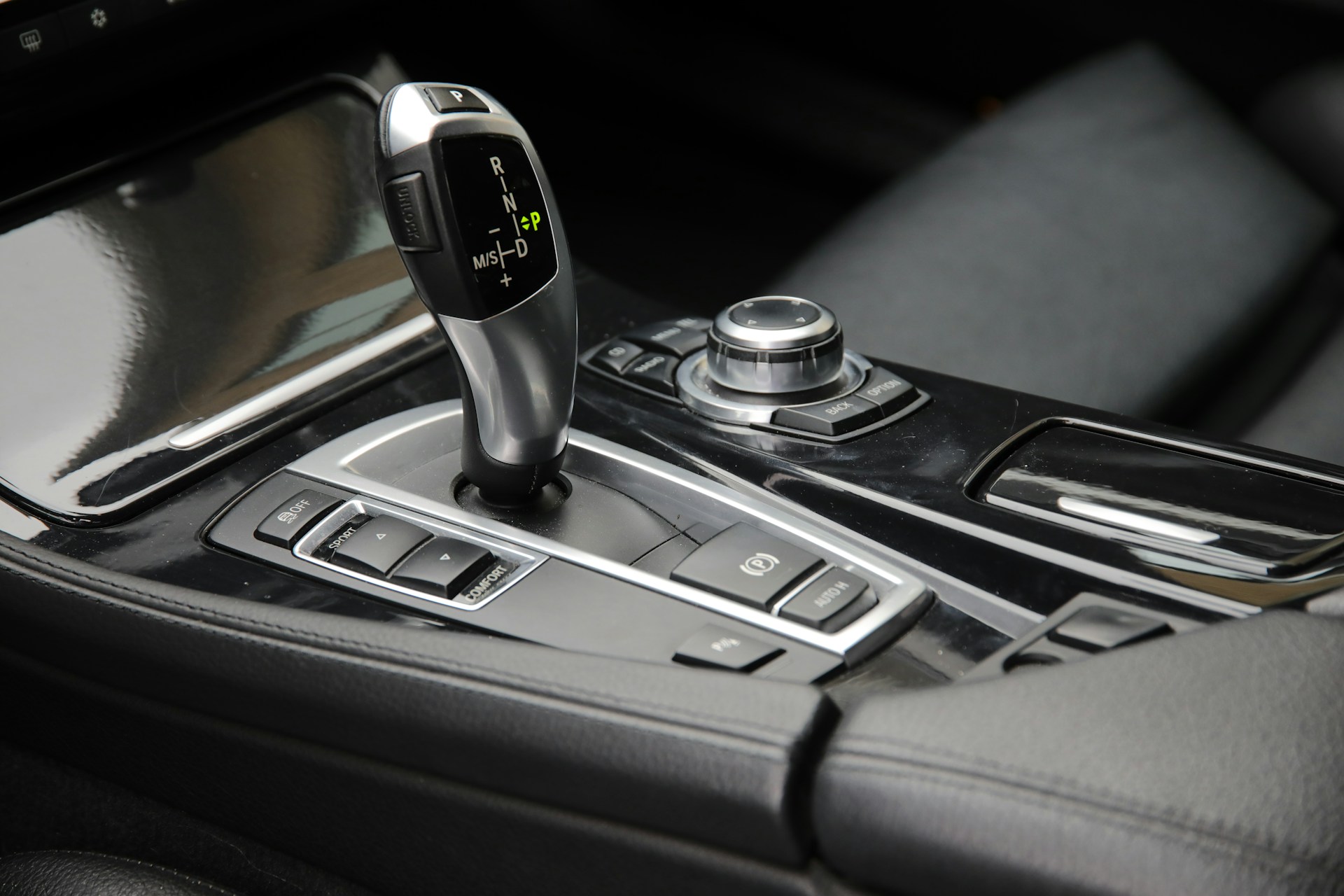
Some automatic cars now come with paddle shifters or sport modes that give drivers more control when they want it. This gives you the convenience of an automatic with some of the fun of a manual transmission when you’re in the mood for it.
The Learning Curve
Learning to drive an automatic is much simpler than learning manual. There’s no clutch to master, no worrying about rolling backward on hills, and no risk of stalling in traffic. Most people can get comfortable driving an automatic within a few lessons.
Even people who learned on manual cars often prefer automatics once they try them. The reduced stress and effort make daily driving more enjoyable. Rush hour traffic becomes tolerable instead of exhausting.
Cost Considerations
Automatic cars used to be more expensive than manual ones, both to buy and to maintain. That gap has closed significantly. Many cars now come standard with automatic transmissions, so there’s no price difference at all.
Maintenance costs for modern automatics are reasonable too. While transmission repairs can be expensive if something goes wrong, most automatic transmissions last for many years with basic maintenance. Regular fluid changes and following the manufacturer’s service schedule usually keep them running smoothly.
Fuel Economy Myths
One of the biggest myths about automatic cars is that they always use more fuel than manual cars. This might have been true in the past, but modern automatics are incredibly efficient. Many automatic cars now get better fuel economy than manual versions of the same vehicle.
Advanced automatic transmissions can have eight, nine, or even ten gears. This allows them to keep the engine in its most efficient range more often than a manual transmission could. The computer controlling the transmission can also shift at the perfect moment every time, which most human drivers can’t match.
Who Benefits Most
Automatic cars work well for almost everyone, but they’re especially helpful for certain groups of people. Older drivers often prefer automatics because they’re less physically demanding. People with certain disabilities find automatics much easier to operate safely.
Commuters who spend a lot of time in traffic really appreciate automatics. When you’re sitting in stop-and-go traffic for an hour each day, not having to work a clutch makes a huge difference in comfort and stress levels.
The Global Trend
Countries that used to prefer manual transmissions are switching to automatics rapidly. European car buyers are choosing automatics in record numbers. Asian markets are following the same trend. Even countries with strong manual transmission traditions are seeing the shift happen.
This global change is making automatic cars more common and often less expensive. When most of the world wants the same thing, manufacturers can produce it more efficiently and pass those savings on to buyers.
Making Your Decision
If you’re shopping for a car and trying to decide between manual and automatic, think about your daily driving. Do you sit in traffic often? Are you a new driver? Do you want the most convenient option? Automatic is probably the way to go.
There’s no shame in choosing convenience over tradition. Cars are tools that should make your life easier, not harder. If an automatic transmission helps you enjoy driving more and reduces stress, that’s a good thing.
The Future is Clear
Automatic transmissions aren’t going anywhere. As electric cars become more common, the whole manual versus automatic debate will become irrelevant anyway. Electric cars don’t need traditional transmissions at all.
For now, though, automatic cars offer the best combination of convenience, efficiency, and ease of use for most drivers. That’s why they’re taking over the roads, and that’s why your next car will probably be an automatic too. The revolution is already here – most people have just joined it without really thinking about it.