







For those experiencing significant tooth loss, full-mouth dental implants have emerged as an innovative solution to restore oral function, aesthetics, and confidence fully. Patients across New Jersey and beyond are increasingly turning to this advanced dental procedure for a permanent, natural-looking alternative to traditional dentures. To explore how the procedure can transform your oral health and smile, visit full mouth dental implants New Jersey for more details and professional guidance.
Choosing full mouth dental implants is a major decision, and it’s crucial to understand the full scope, benefits, and considerations before moving forward. From improving your ability to chew and speak to preserving the structure of your jawbone, these implants offer a wealth of life-changing advantages for those who qualify.
This comprehensive guide navigates every facet of full-mouth dental implants, including their core benefits, how the procedure works, candidacy, potential costs, and the importance of selecting a qualified dental specialist.
Understanding Full-Mouth Dental Implants
Unlike partial implants or removable dentures, full mouth dental implants are designed for people who have lost most or all of their teeth in the upper or lower jaw. The process involves surgically inserting several titanium posts into the jawbone, which then serve as stable anchors for a custom-crafted set of prosthetic teeth. This system not only restores the appearance of a natural smile but also brings back vital oral functions that are often diminished by tooth loss. According to U.S. News & World Report, advances in dental implant technology have led to more durable, comfortable materials and techniques, making modern implants a long-term, reliable solution for many patients.
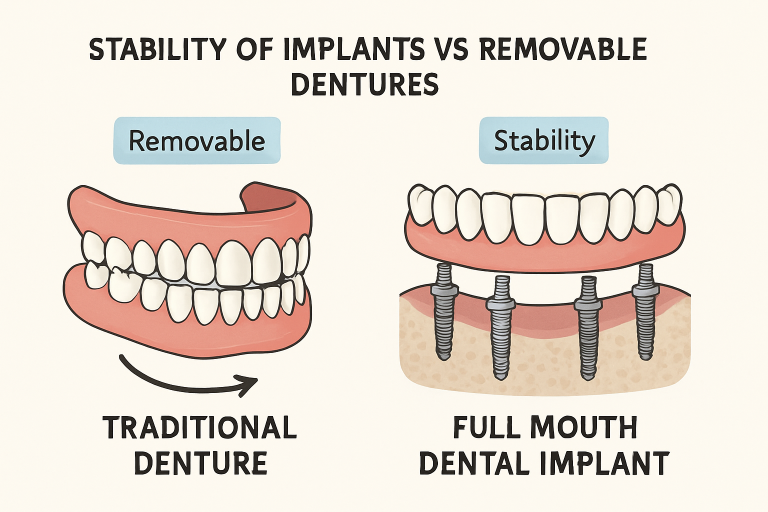
Dental professionals leverage digital imaging, 3D scans, and individualized treatment planning to ensure each patient receives a restoration tailored to their unique jaw structure and facial features. As explained by the Mayo Clinic, implants also stimulate bone tissue, preventing the resorption and collapse that often follow extensive tooth loss. This advanced approach not only enhances the functional stability of dental implants but also improves long-term aesthetic outcomes. As a result, patients benefit from a natural-looking smile that supports both oral health and facial harmony.
Benefits of Full Mouth Dental Implants
- Enhanced Functionality: Full mouth implants restore your ability to chew efficiently and speak clearly, often allowing patients to enjoy foods that would otherwise be off-limits with conventional dentures.
- Natural Appearance: Because the prosthetic arch is custom-made, it closely matches the shape, size, and color of natural teeth, resulting in aesthetically pleasing outcomes.
- Bone Preservation: One of the most significant advantages is the prevention of bone loss. Implants act like natural tooth roots, maintaining bone density and supporting the facial contours.
- Durability: With vigilant oral hygiene and regular dental checkups, full-mouth implants can last a lifetime, offering a dependable, long-term solution to tooth loss.
The Procedure: Step-by-Step
- Consultation and Planning: The journey begins with a thorough assessment, often including digital X-rays or CT scans, to determine bone quality and oral health. Dentists evaluate medical history, lifestyle, and unique needs to develop the most effective treatment plan.
- Implant Placement: During this surgical phase, titanium implants are strategically positioned in the jawbone. The number and location of implants depend on bone density, arch shape, and restorative goals.
- Healing Period: The healing stage, known as osseointegration, can take several months. During this time, the bone tissue fuses with the titanium implants, creating a robust foundation.
- Abutment Placement: After healing, special connectors called abutments are attached, serving as interfaces between implants and prosthetic teeth.
- Prosthetic Attachment: Finally, a custom-made arch of prosthetic teeth is securely fixed onto the abutments, restoring both function and appearance.
Considerations Before Opting for Full Mouth Implants
- Eligibility: Candidates must have adequate bone density and be free from uncontrolled medical conditions that could affect healing. Alternatives such as bone grafting may be necessary for those with insufficient bone tissue.
- Cost: Full mouth dental implant procedures represent a significant financial investment. However, the long-term benefits—such as improved oral health, reduced need for ongoing denture maintenance, and restored quality of life—often justify the expense. Patients should explore financing options and insurance coverage in advance.
- Maintenance: While durable, implants still require consistent care. Brushing, flossing, avoiding smoking, and scheduling regular dental visits are crucial to their longevity.
Choosing the Right Dental Professional
The long-term success of full mouth dental implants hinges substantially on the expertise of your dental provider. Look for a prosthodontist or oral surgeon with advanced implantology training, verifiable credentials, and a proven track record of successful outcomes. As an example, for personalized guidance and professional care, a Burlington denturist (or elsewhere) can provide expert consultations, assess your dental needs, and support you throughout the implant process to ensure optimal results. Reading patient testimonials and asking for before-and-after photos can also help you gauge the practitioner’s capabilities and the quality of their work. Do not hesitate to seek a second opinion to ensure you feel confident in your treatment plan.
Conclusion
Full mouth dental implants stand out as a transformative solution for individuals seeking to restore their smile, oral health, and self-confidence. From initial consultation to the final placement of your new teeth, every step is tailored to offer maximum comfort, function, and natural-looking results. Understanding the process, weighing the benefits, and selecting the right specialist will empower you to make a well-informed decision and embark on your journey toward a revitalized smile and improved quality of life.