Understanding Coverage Options
Choosing the right commercial truck insurance means understanding the various coverage types available. These coverages typically include liability insurance, physical damage coverage, and cargo insurance. Each option serves a unique role in safeguarding your business: liability insurance addresses damages or injuries you may cause to other parties, physical damage coverage protects against damage to your own vehicles, and cargo insurance insures the freight being transported. Working with a professional who specializes in Colorado truck insurance can help tailor coverage to your specific industry and local requirements.
Having the right mix of policies ensures that your company’s assets, as well as its reputation, remain protected in the event of an accident or loss. With the increasing frequency and severity of commercial vehicle claims, businesses must prioritize comprehensive coverage to avoid significant financial exposure.
Assessing Risk Factors
Insurance companies determine premiums based on several risk factors. These include the driver’s experience, driving history, and safety record; the type and value of cargo; and the routes traveled. For example, businesses that frequently operate in high-traffic or hazardous areas, or transport particularly valuable or hazardous materials, may be subject to higher premiums. The operational radius is also scrutinized: long-distance hauls routinely attract higher insurance costs due to their increased exposure to potential incidents.
Thoroughly evaluating your own risk profile and providing accurate information to insurers can help you obtain more accurate quotes and avoid gaps in coverage.
Implementing Safety Measures
Investing in robust safety protocols is essential not only for the well-being of drivers and the public but also for managing insurance costs effectively. Proven strategies include regular vehicle inspections, consistent driver safety training, and the integration of telematics systems. These technologies enable real-time monitoring of vehicle conditions and driver behavior, often resulting in lower accident rates and additional insurance savings. For instance, a 2024 industry study found that fleets utilizing telematics saw a 15% reduction in accidents—a compelling case for both safety and cost reduction efforts.
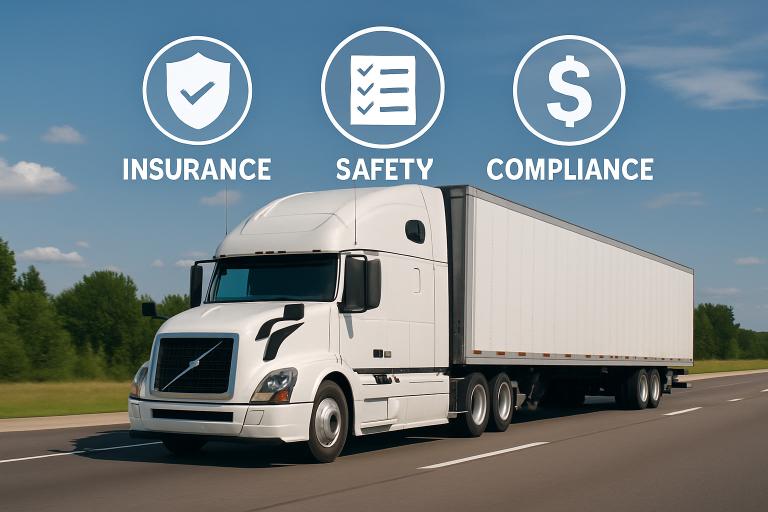
Staying Compliant with Regulations
A critical component of risk management is remaining compliant with all applicable federal, state, and local regulations. The Federal Motor Carrier Safety Administration (FMCSA) mandates various safety and operational standards for commercial truck operators. Consistent adherence to these standards demonstrates a strong commitment to safety and may favorably impact insurance premiums. In some cases, regulatory violations may result in higher premiums or even the denial of coverage, making ongoing compliance a priority for all trucking businesses.
Monitoring Market Trends
The commercial truck insurance landscape is continuously evolving. Recent years have seen steady increases in premiums, driven by changing litigation trends, economic volatility, and the rising cost of claims. According to a 2025 industry report, commercial truck insurance premiums have climbed by 43.7% over the previous five years—a sharp increase reflecting growing risks and shifting market dynamics. Monitoring these trends helps business owners understand the factors that influence their insurance costs, positioning them to advocate for the most favorable terms when renewing policies.
Evaluating Deductibles and Limits
Determining the right balance between deductibles and coverage limits is essential for managing both costs and exposure. Opting for higher deductibles may reduce your premium expense, but can also result in substantial out-of-pocket costs if a claim arises. Conversely, lower deductibles generally result in higher premiums but provide greater financial protection in the event of a loss. It’s essential to evaluate your business’s financial resilience and risk tolerance before selecting deductible and limit options.
Exploring Discounts and Bundling Options
Many insurance carriers offer discounts for commercial trucking businesses that maintain clean claims histories, invest in advanced safety features, or demonstrate ongoing improvements in operations. Bundling multiple insurance products—such as combining general liability, property, and commercial vehicle coverage—can also unlock substantial savings. Regularly reviewing available discounts and discussing bundling options with an experienced insurance broker can be a cost-effective way to achieve comprehensive protection.
Regular Policy Reviews
Commercial trucking businesses are dynamic—expanding fleets, changing routes, and evolving business models all have insurance implications. Conducting regular policy reviews ensures that coverage remains up-to-date, reflects current operations, and provides optimal protection. This proactive approach helps avoid over- or under-insurance, positioning your business for long-term success. Reviewing policies annually or after any major operational change is a best practice supported by leading industry associations.
By focusing on these essential considerations, commercial trucking companies can ensure robust risk management, regulatory compliance, and cost-effective protection, ultimately supporting both operational continuity and business growth.